
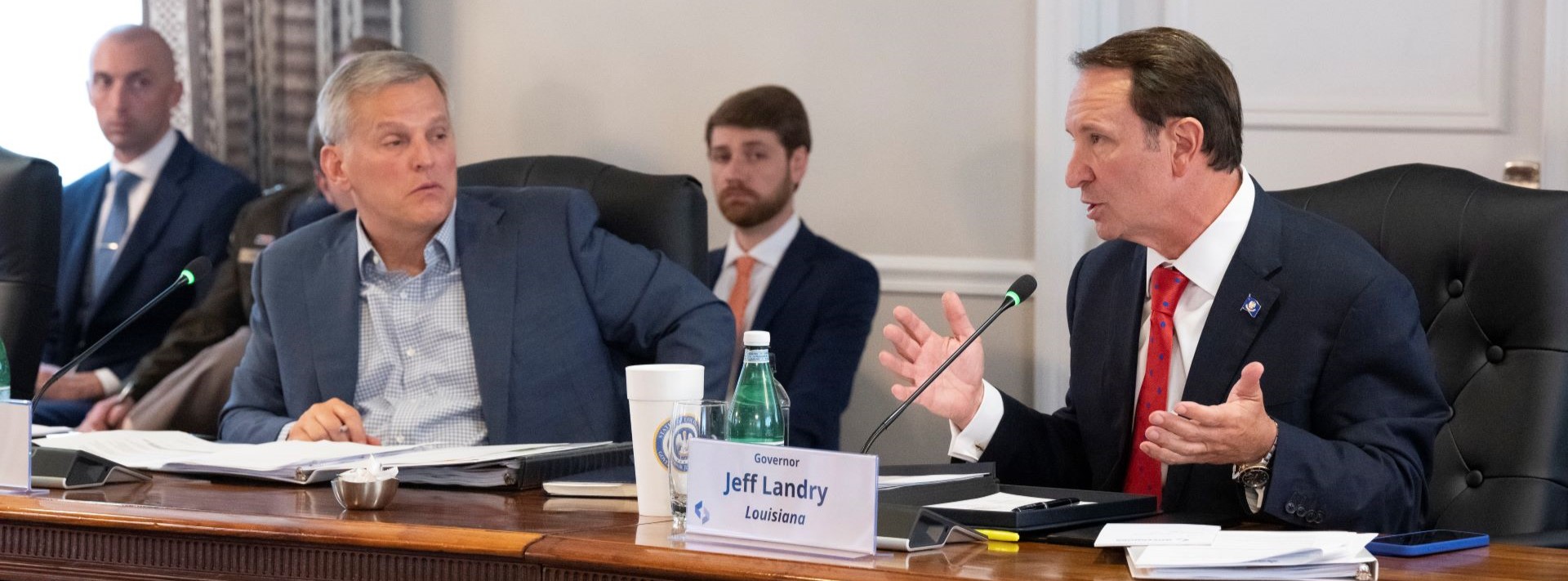
The Council of Governors (Council) was created in 2008 by the National Defense Authorization Act and formally established by Executive Order 13528, issued on January 11, 2010. The Council serves as a forum for governors and key federal officials to improve and maximize state-federal partnerships to address matters pertaining to the National Guard, homeland defense, and civil support activities.

The Council consists of ten governors appointed to two-year terms by the President – five from each party – with two governors serving as co-chairs. The Executive Order specifically names a number of federal participants in the Council, including the Secretaries of Defense and Homeland Security, the President’s Homeland Security and Counterterrorism Advisor, the Commander of U.S. Northern Command and the Chief of the National Guard Bureau, among others.
To ensure that the Council appropriately represents all governors, the Council co-chairs, through the National Governors Association, share documents for review and discussion with all governors’ offices prior to their approval by the Council.
Key Issues: Support the National Guard and Military Families, Improve Catastrophic Disaster Response and Recovery, Build Cybersecurity Partnerships and Resilience, and Inform Federal Budgetary Considerations.
Activities



Resources
Founding Documents
Additional Resources
Council Members
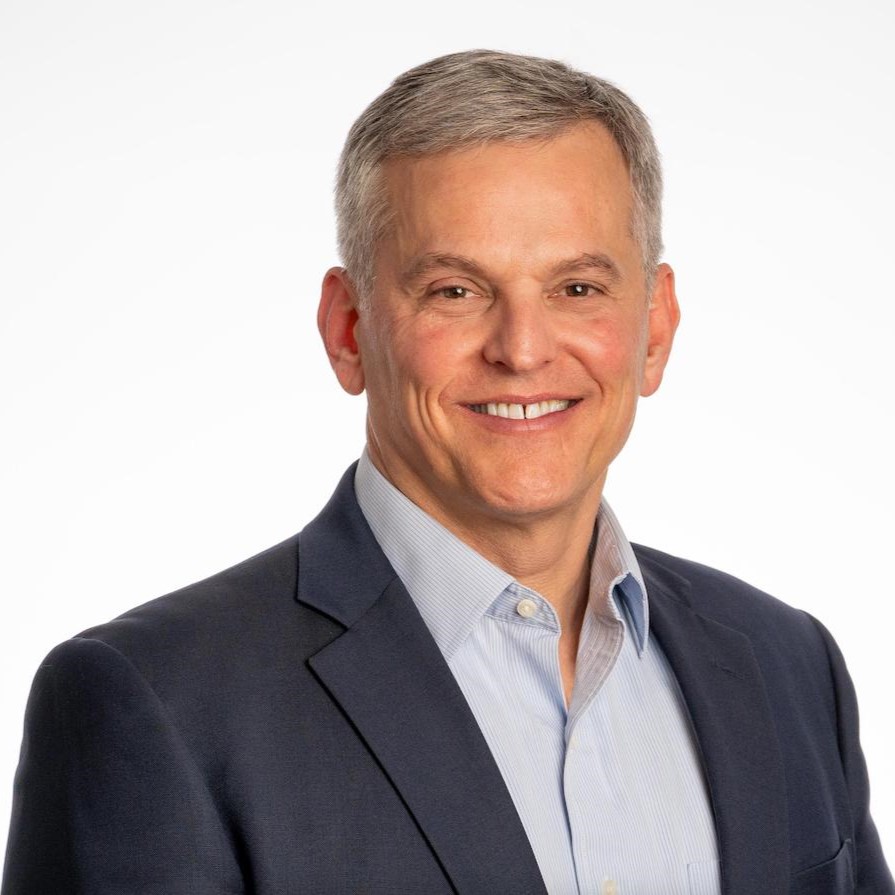
Gov. Josh Stein
(North Carolina)
Co-Chair
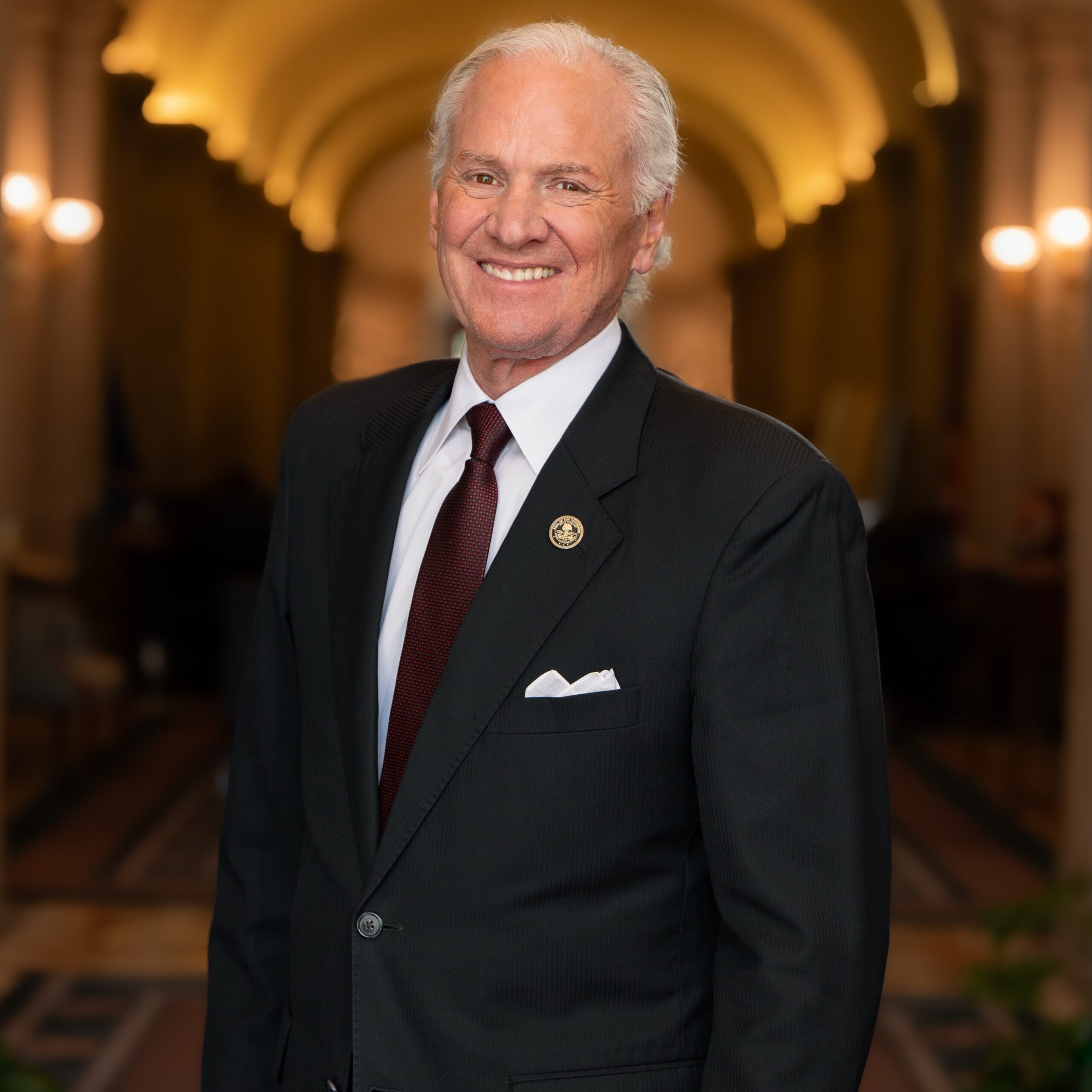
Gov. Henry McMaster
(south Carolina)
Co-Chair


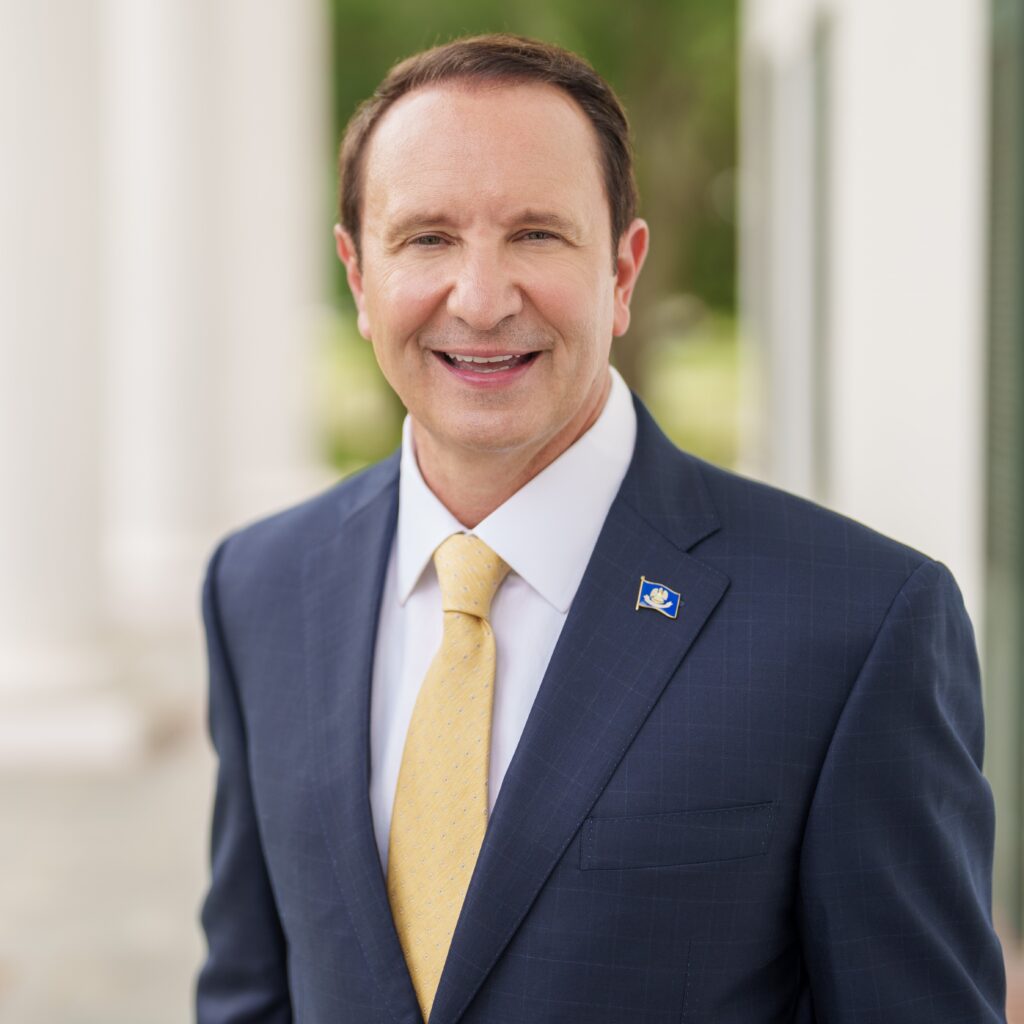
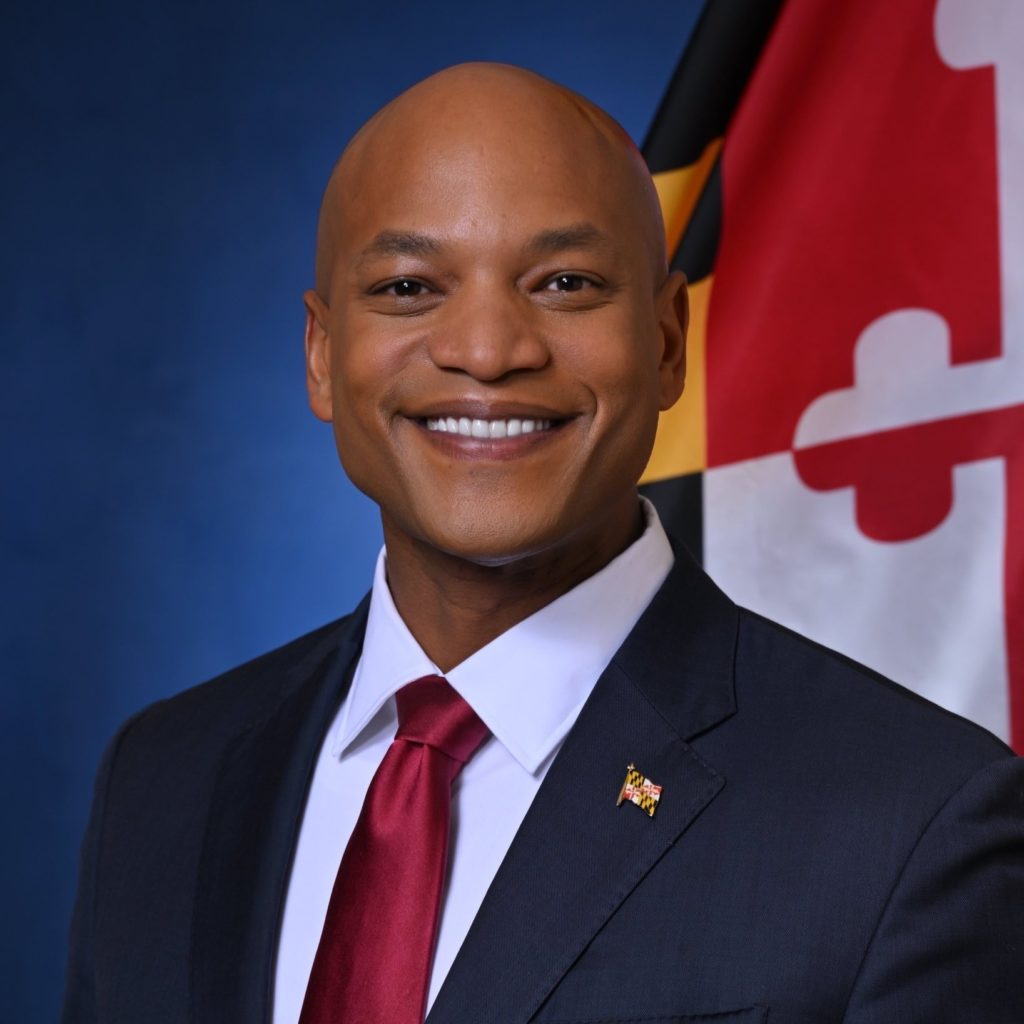
(Maryland)
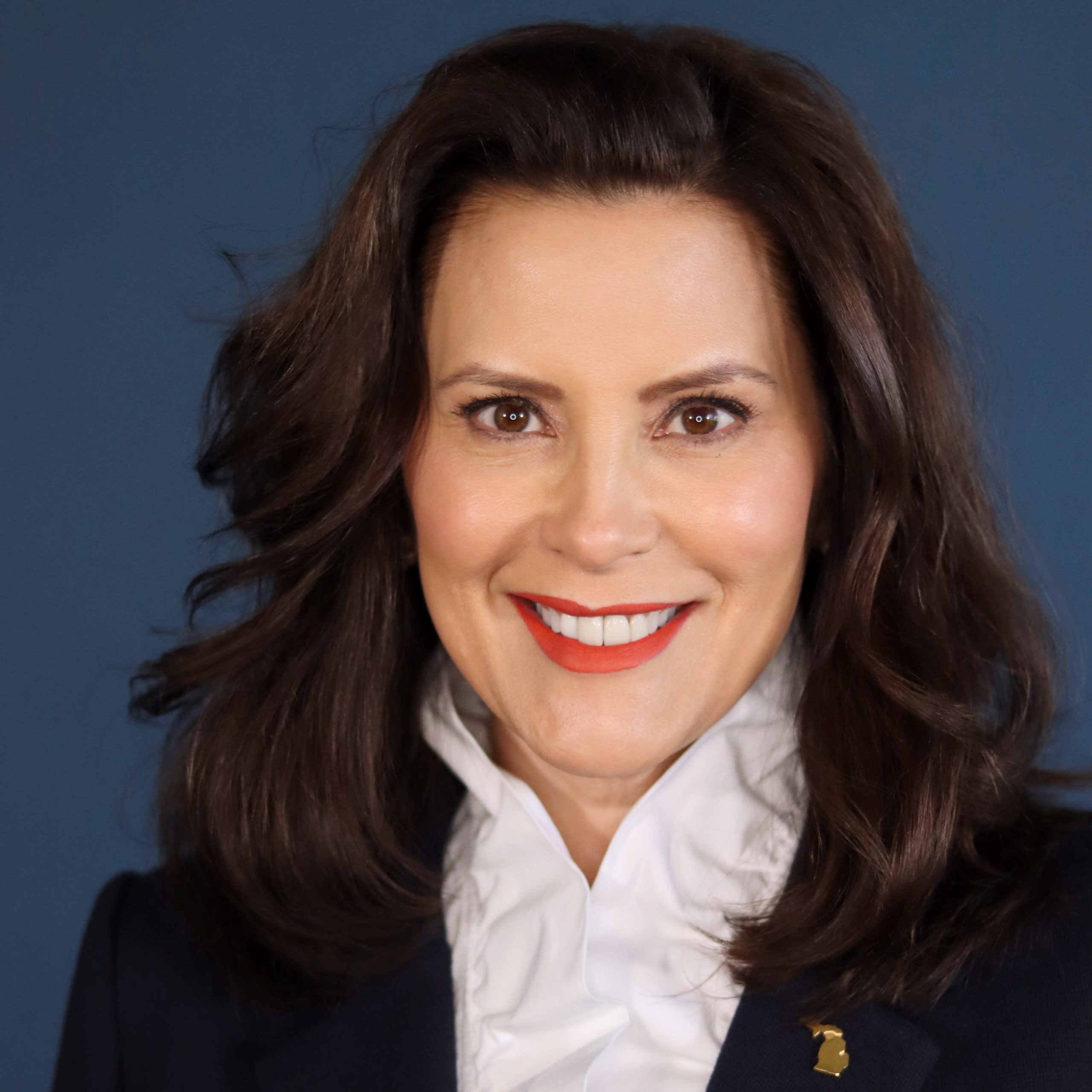
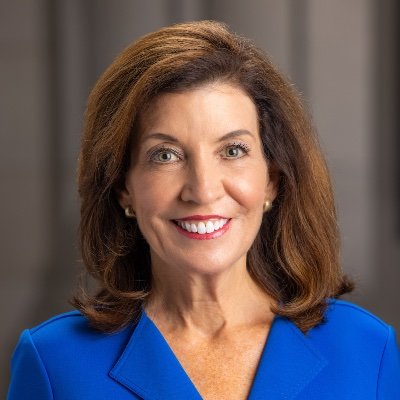
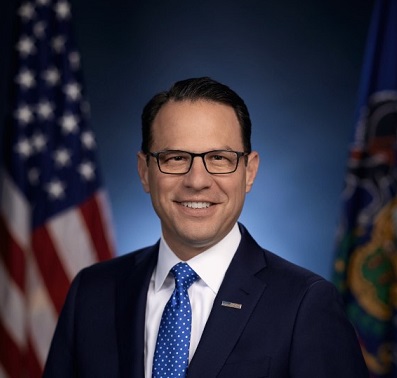
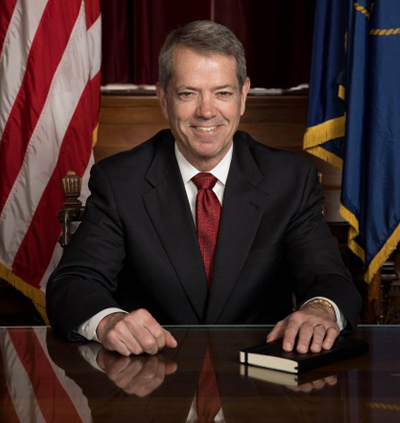
NGA Staff
- Jessica Davenport, Program Director, Homeland Security, Center for Best Practices
Historical Council Of Governors Membership
2010 Membership
Vermont Governor James H. Douglas, Co-Chair
Washington Governor Chris Gregoire, Co-Chair
- Arizona Governor Janice K. Brewer
- Puerto Rico Governor Luis G. Fortuño
- Oklahoma Governor Brad Henry
- Virginia Governor Robert F. McDonnell
- Missouri Governor Jeremiah W. (Jay) Nixon
- Maryland Governor Martin O’Malley
- North Carolina Governor Beverly Eaves Perdue
- South Dakota Governor M. Michael Rounds
2011 Membership
Iowa Governor Terry Branstad, Co-Chair
Washington Governor Chris Gregoire, Co-Chair
- Hawaii Governor Neil Abercrombie
- Arizona Governor Janice K. Brewer
- Puerto Rico Governor Luis G. Fortuño
- Virginia Governor Robert F. McDonnell
- Wyoming Governor Matt Mead
- Missouri Governor Jeremiah W. (Jay) Nixon
- Maryland Governor Martin O’Malley
- North Carolina Governor Beverly Eaves Perdue
2012 Membership
Iowa Governor Terry Branstad, Co-Chair
Washington Governor Chris Gregoire, Co-Chair
- Hawaii Governor Neil Abercrombie
- Arizona Governor Janice K. Brewer
- Puerto Rico Governor Luis G. Fortuño
- Delaware Governor Jack Markell
- Virginia Governor Robert F. McDonnell
- Wyoming Governor Matt Mead
- Missouri Governor Jeremiah W. (Jay) Nixon
- Maryland Governor Martin O’Malley
2013 Membership
Iowa Governor Terry Branstad, Co-Chair
Maryland Governor Martin O’Malley, Co-Chair
- Hawaii Governor Neil Abercrombie
- Arizona Governor Janice K. Brewer
- Connecticut Governor Dannel Malloy
- Delaware Governor Jack Markell Virginia
- Governor Robert F. McDonnell
- Wyoming Governor Matt Mead
- Missouri Governor Jeremiah W. (Jay) Nixon
- Nevada Governor Brian Sandoval
2014 Membership
Iowa Governor Terry Branstad, Co-Chair
Maryland Governor Martin O’Malley, Co-Chair
- Arizona Governor Jan Brewer
- Connecticut Governor Daniel Malloy
- Hawaii Governor Neil Abercrombie
- Illinois Governor Pat Quinn
- Missouri Governor Jay Nixon
- Nevada Governor Brian Sandoval
- Tennessee Governor Bill Haslam
- Wyoming Governor Matt Mead
2015 Membership
Connecticut Governor Dannel Malloy, Co-Chair
Iowa Governor Terry Branstad, Co-Chair
- Michigan Governor Rick Snyder
- Minnesota Governor Mark Dayton
- Missouri Governor Jay Nixon
- Montana Governor Steve Bullock
- Nevada Governor Brian Sandoval
- Tennessee Governor Bill Haslam
- Wyoming Governor Matt Mead
- Virginia Terry Governor McAuliffe
2017 Membership
Connecticut Governor Dannel Malloy, Co-Chair
Oklahoma Governor Mary Fallin, Co-Chair
- Alaska Governor Bill Walker
- Florida Governor Rick Scott
- Louisiana Governor John Bel Edwards
- Massachusetts Governor Charlie Baker
- Minnesota Governor Mark Dayton
- Missouri Governor Eric Greitens
- Montana Governor Steve Bullock
- Tennessee Governor Bill Haslam
2018 Membership
Connecticut Governor Dannel Malloy, Co-Chair
Oklahoma Governor Mary Fallin, Co-Chair
- Alaska Governor Bill Walker
- Arkansas Governor Asa Hutchinson
- Florida Governor Rick Scott
- Louisiana Governor John Bel Edwards
- Massachusetts Governor Charlie Baker
- Minnesota Governor Mark Dayton
- Montana Governor Steve Bullock
- Tennessee Governor Bill Haslam
2019 Membership
Arkansas Governor Asa Hutchinson, Co- Chair
Hawaii Governor David Ige, Co-Chair
- Arizona Governor Doug Ducey
- Connecticut Governor Ned Lamont
- Illinois Governor JB Pritzker
- Minnesota Governor Tim Walz
- Missouri Governor Mike Parson
- Montana Governor Steve Bullock
- Nebraska Governor Pete Ricketts
- Ohio Governor Mike DeWine
- Tennessee Governor Bill Lee
2020 Membership
Arkansas Governor Asa Hutchinson, Co- Chair
Hawaii Governor David Ige, Co-Chair
- Arizona Governor Doug Ducey
- Connecticut Governor Ned Lamont
- Illinois Governor JB Pritzker
- Minnesota Governor Tim Walz
- Missouri Governor Mike Parson
- Montana Governor Steve Bullock
- Ohio Governor Mike DeWine
- Tennessee Governor Bill Lee
2021 Membership
Minnesota Governor Tim Walz, Co-Chair
Ohio Governor Mike DeWine, Co-Chair
- Delaware Governor John Carney
- Louisiana Governor John Bel Edwards
- Michigan Governor Gretchen Whitmer
- Oregon Governor Kate Brown
- Tennessee Governor Bill Lee
- Utah Governor Spencer Cox
- Vermont Governor Phil Scott
- Wyoming Governor Mark Gordon
2022 Membership
Minnesota Governor Tim Walz, Co-Chair
Ohio Governor Mike DeWine, Co-Chair
- Delaware Governor John Carney
- Louisiana Governor John Bel Edwards
- Michigan Governor Gretchen Whitmer
- Oregon Governor Kate Brown
- Tennessee Governor Bill Lee
- Utah Governor Spencer Cox
- Vermont Governor Phil Scott
- Wyoming Governor Mark Gordon
2023 Membership
Minnesota Governor Tim Walz, Co-Chair
Ohio Governor Mike DeWine, Co-Chair
- Delaware Governor John Carney
- Indiana Governor Eric Holcomb
- Louisiana Governor John Bel Edwards
- Michigan Governor Gretchen Whitmer
- New Mexico Governor Michelle Lujan Grisham
- Utah Governor Spencer Cox
- Vermont Governor Phil Scott
- Wyoming Governor Mark Gordon
2024 Membership
Minnesota Governor Tim Walz, Co-Chair
Vermont Governor Phil Scott, Co-Chair
- Delaware Governor John Carney
- Idaho Governor Brad Little
- Indiana Governor Eric Holcomb
- Massachusetts Governor Maura Healey
- Michigan Governor Gretchen Whitmer
- New Mexico Governor Michelle Lujan Grisham
- South Carolina Governor Henry McMaster
- Wyoming Governor Mark Gordon