

Infrastructure Implementation Resources
As Governors lead on implementing the Infrastructure Investment and Jobs Act (IIJA) and other state and federal infrastructure measures, the National Governors Association will be continuing to provide timely and actionable resources, create opportunities for Governors and their staff to convene and collaborate, and maintain relationships with critical federal, state, local, and private sector stakeholders. This page will serve as a one stop shop for information on all these efforts.
Updated: August 28, 2026
Federal Resources
White House
On July 23, 2025, the White House released America’s AI Action Plan, a comprehensive national strategy intended to secure U.S. leadership in artificial intelligence (AI). The plan is organized around three pillars: accelerating AI innovation, building domestic AI infrastructure, and leading on international AI diplomacy and security. Key components with relevance to states and territories include expanded workforce development efforts, support for infrastructure permitting reforms, and an emphasis on AI readiness across sectors. Learn more here.
On July 7, President Trump signed an Executive Order which aims to build upon and strengthen the repeal of, and modifications to, wind, solar and other energy tax credits in the recently signed Budget Reconciliation Law. Under this Executive Order, within 45 days the Secretary of the Treasury will take action to enforce the termination of clean electricity production and investment tax credits under sections 45Y and 48E for wind and solar facilities. The Treasury Secretary is also required to take action to implement the enhanced Foreign Entity of Concern restrictions in the Law. The Executive Order also directs the Secretary of the Interior to review and revise any regulations, guidance, policies, and practices to eliminate preferences for wind and solar facilities. For more information, you can view the Executive Order here.
On July 4, President Trump signed the Budget Reconciliation Bill into law, securing several major policy priorities including an extension of tax cuts, new tax relief for tipped workers, and additional funding for immigration enforcement. The measure also includes significant changes to Medicaid, nutrition assistance, and other safety net programs, as well as changes to energy tax credits. You can find a copy of the Budget Reconciliation Act here.
On February 20, 2025, the White House announced the end of decades worth of rules for how to conduct reviews under the National Environmental Policy Act (NEPA). The Council on Environmental Quality (CEQ) unveiled an Interim Final Rule (IFR) that rescinds almost 50 years’ worth of rules, a move that falls in line with Trump’s “Unleashing American Energy” Executive Order, which revoked the 1977 order that originally authorized CEQ to promulgate NEPA rules. The new rule is slated to take effect on April 11, 2025, after the public comment period closes on March 27, 2025. CEQ also unveiled voluntary guidance for hundreds of federal agencies to follow with the goal of expediting and simplifying permitting. Overall, the document, signed by CEQ Chief of Staff Katherine Scarlett, shifts responsibility from CEQ’s overarching rules to agencies’ individual procedures, which must now be updated. Read more here.
On February 14, 2025, President Trump signed an Executive Order creating the National Energy Dominance Council. The Council will act as an advisory body focused on increasing energy production and expediting infrastructure permitting in the United States. Secretary of Interior Doug Burgum will lead, and Energy Secretary Chris Wright will serve as vice chair. Learn more here.
Build America Buy America Resources
On March 4, 2025, FHWA announced a new rule delaying the rule titled Buy America Requirements for Manufactured Products. The original final rule, published on January 14, 2025, ended the general waiver that previously applied to manufactured products, and establishes Buy America requirements for manufactured products with respect to Federal-aid highway projects. In accordance with the memorandum of January 20, 2025, from the President to executive departments and agencies entitled “Regulatory Freeze Pending Review”, this new action temporarily delays the effective date of the original final rule. You can find the new rule here.
On December 9, 2024, , the U.S. Department of Transportation (USDOT) issued a Public Interest Waiver of the Application of Certain Domestic Preference Requirements and Policies for Transit-Oriented Development Housing Projects. This waiver would set aside the domestic preference requirements for manufactured products for transit-oriented development projects that receive credit assistance through the Build America Bureau under the TIFIA and RRIF credit programs. USDOT seeks comments on this waiver by December 24, 2024. You can find the notice here.
On November 18, 2024 Federal Transit Administration issued a five-year extension of the partial general non-availability waiver from the Buy America requirements for certain commercially produced minivans and vans used in public transportation. The previous waiver was issued in October 2022 for two years. FTA’s Buy America statute requires that rolling stock, including vans and minivans, must have more than 70-percent domestic content and that final assembly must occur in the United States. FTA concluded there are currently no mass-produced, unmodified non-ADA accessible passenger vans or minivans that meet FTA’s domestic content requirement. For more information, please see the FTA Buy America page here and federal register notice here.
In August 2024, the U.S. Department of the Interior’s Bureau of Reclamation announced that it had developed a proposed Build America Buy America (BABA) non-availability waiver for AMI water meters. The waiver as proposed would provide coverage for purchases of AMI water meters for three years, using a phased approach. You can find a copy of the waiver here.
In February 2024, the Department of Commerce released a Notice of Final Waiver for its Limited General Applicability Nonavailability Waiver of the Buy America Domestic Content Procurement Preference as Applied to Recipients of Broadband Equity, Access and Deployment Program. The waiver is available here and Frequently Asked Questions available here.
In August 2023, the Office of Management and Budget (OMB) issued final guidance on the implementation of the Build America, Buy America Act. These provisions, which were included in the Infrastructure Investment and Jobs Act (IIJA), require that all of the iron, steel, manufactured products, and construction materials used in infrastructure projects under this law are produced in the United States unless a waiver is approved by the head of a Federal agency. In this updated guidance, the revisions are limited in scope to support implementation and clarify existing provisions related to domestic preference. These revisions are intended to provide further guidance on implementing the statutory requirements and improve Federal financial assistance management and transparency. The document is still considered pre-publication, but it will become effective 60 days after it is published in the Federal Register. Please see the final guidance and program website.
Department of Transportation
On November 13, 2025, the Federal Transit Administration (FTA) issued a notice advising that it has updated its policy guidance for the discretionary Capital Investment Grants (CIG) Program. This guidance, which amends the CIG Policy Guidance last updated in December 2024, incorporates a previously applied methodology that utilizes the Environmental Protection Agency’s National Ambient Air Quality Standards (NAAQS) designation for FTA’s evaluation of the environmental benefits of CIG projects. FTA will no longer consider the social cost of carbon analysis when rating CIG projects. The updated guidance also incorporates other feedback received in response to the August 2025 Proposed Policy Guidance public comment period. You can find the updated policy guidance here.
On September 15, 2025, USDOT launched two new pilot programs aimed at improving the working conditions and quality of life for America’s truck drivers. The Split Duty Period pilot program will let drivers pause their 14-hour driving window for 30 minutes to 3 hours. This program seeks to collect data on whether this method can maintain or improve safety. In addition, the Flexible Sleeper Berth pilot program will test new rest split options. These pilot programs are part of the Department’s Pro-Trucker Package in support of Executive Order 14286, Enforcing Commonsense Rules of the Road for America’s Truck Drivers. Learn more here.
On September 3, 2025, USDOT announced that the number of safety inspectors who monitor railroad bridges will increase from less than 10 to more than 160. Federal track inspectors and their State counterparts in FRA’s State Safety Participation Program will begin field inspections of railroad bridges and will soon be joined by more than 160 inspectors who will undergo training to assess railroads’ compliance with Bridge Safety Standards. Learn more here.
On August 11, 2025, U.S. Department of Transportation (USDOT) unveiled revised guidance for the National Electric Vehicle Infrastructure (NEVI) Formula Program. NEVI was established to fund states’ deployment of EV charging infrastructure, and this updated guidance would eliminate previous mandates for EVs including one regarding the requirement of charging stations every 50 miles along major highways. USDOT highlights additional changes including providing states with more flexibility to determine when their system is built out, allowing NEVI funds to be used on public roads statewide. States must submit revised NEVI plans 30 days after the issuance of the revised guidance, which is September 10, 2025. You can find the press release here and new interim guidance here.
On July 17, 2025, U.S. Transportation Secretary Sean Duffy brought together Congressional members and infrastructure stakeholders in a first of its kind conference on priorities ahead of Congress’s surface transportation reauthorization process later this fall. As part of the process of collecting feedback, the Department of Transportation (USDOT) announced a Request for Information on advancing a surface transportation proposal that focuses on America’s most fundamental infrastructure needs, which you can find here. Comments are due no later than 30 days from the date of publication in the Federal Register which will be around August 20, 2025. For more information on the event, you can find the press release here.
On July 17, 2025, U.S. Transportation Secretary Sean Duffy wrote a letter to Governors nationwide, urging them to assume NEPA responsibilities and take the lead on project delivery. The letter notes that Congress allows USDOT and states to assume the federal NEPA review responsibility through two programs: 23 U.S.C. 326 – state assumption for categorical exclusions (CE) and 23 U.S.C. 327 – Surface Transportation Project Delivery Program. Under these programs, a state department of transportation serves as the lead federal agency for environmental reviews and approvals on assigned projects. Issuance of this letter coincided with Secretary Duffy signing a final Memorandum of Understanding with the Texas Department of Transportation to renew NEPA assignment in that state. You can find the letter to Governors here.
On February 27, 2025, U.S. Transportation Secretary Sean Duffy announced a new plan to increase the hiring of air traffic controllers. The Federal Aviation Administration (FAA) has opened its hiring window between now and March 17th. To better attract talent, FAA plans to prioritize candidates with the highest skills assessment score for the Academy, increase starting salaries by 30% for candidates who go to the Academy, and streamline hiring procedures from an 8-step process to a 5-step process. Learn more about the announcement here.
On January 29, 2025 U.S. Transportation Secretary Sean Duffy authorized three actions implementing Executive Orders issued by President Trump. These are:
- – Memorandum on Implementation of Executive Orders Addressing Energy, Climate Change, Diversity and Gender. This sets forth initial steps to be taken by USDOT to implement provisions of several executive orders signed by the President.
- – DOT Order 2100.7 – Ensuring Reliance Upon Sound Economic Analysis in Department of Transportation Policies, Programs and Activities. This updates and resets the principles and standards underpinning USDOT policies, programs and activities to mandate reliance on rigorous economic analysis and positive cost-benefit calculations.
- – Submission of a Notice of Proposed Rulemaking to rescind the rule requiring state transportation department to measure and establish declining targets for carbon dioxide emissions on federally supported highways.
For more information on these actions, you can find the press release here.
On January 28, 2025, U.S. Transportation Secretary Sean Duffy signed a Memorandum directing staff to start the process of resetting Corporate Average Fuel Economy (CAFE) standards. This intends to lower the price of a car for American consumers and eliminate the electric vehicle mandate. The Memorandum signed by the Secretary directs the Office of the General Counsel, the Office of the Undersecretary for Policy, and the National Highway Traffic Safety Administration to immediately initiate a rulemaking to rescind or replace all existing CAFE standards. Learn more about this announcement here and you can read the full Memorandum here.
Recently, the U.S. Department of Transportation’s Build America Bureau issued an opportunity to comment on its forthcoming report to Congress about private investment in transportation infrastructure, which was a requirement set out in section 71001 of the IIJA. The primary discussion topics are federal, state, and local laws, regulations, and practices that facilitate or impede the use of public-private partnerships (P3s) and other private investment in transportation improvements while protecting the public interest. For more information, please see the Build America Bureau’s Public-private partnership webpage here.
Department of Commerce – NTIA/Other Broadband Information
On September 19, 2025, the National Telecommunications and Information Administration (NTIA) issued a new Notice setting out performance measurement standards related to speed, latency, and reliability of last-mile deployment projects required under the BEAD program. These mechanisms are to be used by states, territories and sub-grantees to validate that BEAD funded networks comply with the IIJA and BEAD NOFO. You can find the Notice here and a summary of the Notice here.
On September 8, 2025, the U.S. Department of the Interior announced an updated policy to cut red tape and speed up the process for approving tribal broadband infrastructure projects. The new policy establishes a comprehensive framework for the efficient and effective processing of right-of-way applications to build broadband infrastructure throughout Indian Country, with a focus on rural unserved and underserved tribal communities. Under the streamlined processes, the Bureau of Indian Affairs has seven business days to review an application and notify the applicant if any additional information is needed. The new policy also provides guidance on waivers of certain regulatory requirements and defers to the judgement of landowners and tribes regarding their best interest. Learn more in the press release here and you can find the National Policy Memorandum here.
On August 26, 2025, NTIA issued a Notice of Programmatic Waiver that applies to States submitting applications for the BEAD program under the Restructuring Policy Notice. Specifically, the waiver relates to the deadline requirements set for the BEAD Program NOFO, which requires the submission of Resolution(s) of Consent from the relevant Tribal Government(s). This change was made as NTIA recognized that some Eligible Entities and prospective subgrantees may not be able to obtain the Resolutions of Consent necessary for deployment on Tribal Lands in time for submission with the Final Proposal under the new expedited timelines. For more information, you can find the notice here.
On July 21, 2025, NTIA announced that all 56 states and territories eligible to participate in the Broadband Equity, Access, and Deployment (BEAD) program have received approval to begin conducting the “Benefit of the Bargain” round of subgrantee selection. This follows the BEAD Restructuring Policy Notice that was issued in June, which included requiring eligible states and territories to request a correction to their BEAD Initial Proposals to conform to the new rules. NTIA received proposals from all 56 states and territories, and NTIA has approved all updated Initial Proposals. Eligible states and territories have until September 4, 2025, to submit a Final Proposal that reflects the results of at least one “Benefit of the Bargain” round. NTIA has created an updated BEAD Progress Dashboard to track how each state or territory is progressing through program milestones. For more information, please see the Press Release and BEAD Progress Dashboard.
In June 2025, NTIA released its Final Proposal Guidance to assist each eligible entity in submitting quality Final Proposals for the BEAD Program. This document is intended to assist recipients in better understanding the BEAD Program and the requirements set forth in the Notice of Funding Opportunity (BEAD NOFO) and the BEAD Policy Notice. You can find a copy of the new Guidance here.
On June 6, 2025, NTIA issued a Restructuring Policy Notice which creates updates to the Broadband Equity, Access, and Deployment (BEAD) program. As outlined in the notice, states and territories are directed to implement these reforms in their subgrantee selection process to lower costs, speed up implementation, and ensure all technology solutions are considered. States and territories have 90 days to comply with the notice, including conducting an additional “Benefit of the Bargain Round” of subgrantee selection that permits all applicants to compete on a level playing field. Learn more here.
On December 4, 2024, NTIA released a blog post which outlines a series of steps that State Broadband Offices can consider implementing to support broadband workforce development in their jurisdictions. The post also highlights states and territories that are already allocating BEAD funds towards workforce development initiatives. You can find a link to the blog post here.
On July 26, 2024 the FCC announced new rules designed to speed broadband deployment have gone into effect. These rules are intended to assist Internet Service Providers that need to attach their wires and other facilities to utility poles owned by various third parties. The FCC hopes the rules will accelerate wireline broadband deployment by addressing infrastructure barriers. See the FCC’s announcement here.
On March 19, 2024, the Federal Communications Commission (FCC) released Broadband Consumer Labels. The labels are modeled after the Food and Drug Administration’s ubiquitous nutrition labels and are intended to help consumers comparison shop for the internet service plan that will best meet their needs and budget. Beginning April 10, internet service providers that offer home, or fixed, internet services, or mobile broadband plans are required to have a label for each service plan they offer. The labels must disclose important information about broadband prices, introductory rates, data allowances, and broadband speeds. They also include links to information about network management practices and privacy policies. Learn more here; find a glossary of terms here.
On March 22, 2024, NTIA launched a new mapping tool, the NTIA Permitting and Environmental Information Application, to help grant recipients and others deploying infrastructure identify permit requirements and avoid potential environmental impacts when connecting a particular location to high-speed Internet service. The application is designed to help federal broadband grant recipients and sub-grantees identify and understand the types of permits they will need and plan routes for their broadband deployments. Learn more in the press release here.
On March 14, 2024, the Advisory Council on Historic Preservation announced that it will make a 2017 program comment establishing streamlined historic preservation permitting rules for communications infrastructure projects on federal lands available to all Internet for All programs and broadband projects from all federal agencies, both on and off federal lands. This decision was made in response to a request from NTIA Administrator Alan Davidson in October 2023. The purpose of this action is to increase the predictability and efficiency of National Historic Preservation Act “section 106” reviews, simplifying permitting for recipients of NTIA and other federal agencies’ broadband grants. For more information, you can find the press release here and a blog post here.
In February 2024, the Department of Commerce released a Notice of Final Waiver for its Limited General Applicability Nonavailability Waiver of the Buy America Domestic Content Procurement Preference as Applied to Recipients of Broadband Equity, Access and Deployment Program. The waiver is available here and Frequently Asked Questions available here.
On November 1, 2023, NTIA released a programmatic waiver of the Letter of Credit requirement in the BEAD Notice of Funding Opportunity (NOFO). Under the NOFO, prospective subgrantees must provide an irrevocable standby letter of credit (LOC) to the state or territory before entering into a subgrantee agreement. The amount of the LOC must be no less than 25% of the subaward amount. Learn more in the blog post here.
Department of Energy
On November 20, DOE announced an organizational realignment designed to better align with President Trump’s agenda. This realignment reflects the Administration’s aim to expand American energy production, accelerate scientific and technological leadership, and ensure the continued safety and readiness of the Nation’s nuclear weapons stockpile.
On September 11, 2025, the U.S. Department of Energy’s Grid Deployment Office (GDO) expanded the existing FERC Order 1920 technical assistance program, adding new technical assistance offerings for utilities and regional planners in long-term transmission planning. The expansion complements GDO and the National Laboratories’ existing technical assistance available to relevant state entities, including public utility commissions and state energy offices. The National Labs will hold an informational webinar on Friday, September 26, 2025 at 1:00 pm ET (10:00 am PT) – Register here. Applications for deep dive technical assistance are due October 10, 2025, and applications are open on a rolling basis for expert match technical assistance from October 10, 2025 to September 30, 2026. Learn more in the press release here.
On February 14, 2025, the U.S. Department of Energy (DOE) announced an extension of the public comment period on three National Interest Electric Transmission Corridors (NIETCs). A NIETC is an area of the country where DOE has determined the lack of adequate transmission harms consumers and the development of transmission would advance important national interests in that area, such as increased reliability and reduced consumer costs. The three NIETCs include the Lake Erie-Canada Corridor, the Southwestern Grid Connector Corridor, and the Tribal Energy Access Corridor. The public comment period will close April 15, 2025. Learn more here.
On February 5, 2025, U.S. Secretary of Energy Chris Wright signed his first Secretarial Order directing the Department of Energy to take immediate action in accordance with the President’s Executive Orders. The Secretarial Order requires the Department to take a number of initial actions under the following headings: Advancing Energy Addition, Not Subtraction; Unleashing American Energy Innovation; Returning to Regular Order on LNG Exports; Promoting Affordability and Consumer Choice in Home Appliances; Refilling the Strategic Petroleum Reserve; Modernizing America’s Nuclear Stockpile; Unleashing Commercial Nuclear Power in the United States; Strengthening Grid Reliability and Security; and, Streamlining Permitting and Identifying Undue Burdens on American Energy. For more information, you can find the Secretarial Order here.
On November 21, 2025, the Federal Energy Regulatory Commission (FERC) issued a new version of its transmission rule to allow for stronger state participation in deciding what new power lines will best improve reliability and cut costs for customers. Order No. 1920-A largely leaves the original rule intact. It requires transmission providers to conduct long-term planning for regional transmission facilities over a 20-year time horizon to anticipate future needs and to determine how to pay for those transmission facilities. It also provides for cost-effective expansion of transmission that is being replaced, when needed, known as “right-sizing” transmission facilities. For more information, please see the Press Release; Order No. 1920-A; Explainer
On May 31, 2024, the U.S. Department of Energy (DOE) launched its online portal for its Coordinated Interagency Transmission Authorizations and Permits (CITAP) Program. This portal provides a one-stop-shop for qualified transmission developers to track the status of applications, submit materials and facilitate communication with DOE and other federal agencies. This follows the establishment of the CITAP program in April for DOE to coordinate a Federal interagency process to Federal reviews within a standard two-year schedule while ensuring meaningful engagement with Tribes, local communities, and other stakeholders. You can find a link to the CITAP online portal here and the press release here.
On May 7, 2024, DOE released a preliminary list of 10 potential National Interest Electric Transmission Corridors (NIETCs) and announced minimum eligibility criteria for direct loans under the Transmission Facility Financing (TFF) program, which will finance the development of transmission projects in designated NIETCs. NIETCs are defined in the IIJA as areas where consumers are harmed, now or in the future, by a lack of transmission in the area and the development of new transmission would advance reliability and cost reduction in that region. Designations were made based on DOE’s 2023 National Transmission Needs Survey. NIETC designation unlocks federal funding through the TFF program, public-private partnerships through the Transmission Facilitation program, and in some circumstances, federal siting and permitting authority of the Federal Energy Regulatory Commission (FERC). Public comments on the preliminary list of potential NIETCs can be made by emailing NIETC@hq.doe.gov and are due by June 24, 2024. Public comments on the TFF eligibility criteria can be made by emailing TFF@hq.doe.gov and are due by July 31, 2024. DOE anticipates opening the TFF program in 2025. For more information, please see the Press Release; Preliminary NIETC List; NIETC Program Website; TFF Program Website
On April 25, 2024, DOE announced that it is issuing a final rule to establish the Coordinated Interagency Transmission Authorizations and Permits (CITAP) Program, which aims to significantly improve Federal environmental reviews and permitting processes for qualifying transmission projects. This final rule implements a May 2023 interagency Memorandum of Understanding (MOU) to expedite the siting, permitting, and construction of electric transmission infrastructure in the United States. Learn more in the press release here.
In January 2024, DOE’s Office of Electricity released a new website focused on transformation of the electric distribution system. This website includes guidance and best practices to assist in the formulation of strategies for distribution system investments. This includes a focus on integrated distribution system planning, operational coordination and distribution system design. The website can be found at the following link.
On December 19 2023, DOE released final guidance for the National Interest Electric Transmission Corridor (NIETC) designation process. The process will enable DOE to independently narrow areas in the country where transmission development is urgently needed, and to work with affected states, tribes, local communities and industry to accelerate the development of transmission projects in those areas. The guidance opens the first window for public submission of information and recommendations for NIETC designation, which will close on February 2, 2024. To learn more please see the press release here.
In August 2023, DOE’s Grid Deployment Office (GDO) released a Notice of Proposed Rulemaking (NOPR) to establish the Coordinate Interagency Transmission Authorization and Permits (CITAP) Program to accelerate Federal environmental review and permitting processes for qualifying onshore electric transmission facilities. The CITAP Program aims to establish a better coordinated, more streamlined process that would set deadlines for Federal authorizations and permits for electric transmission on a two-year timeline and ensure engagement with Tribes, local communities, and other stakeholders. The Grid Deployment Office (GDO) would administer the CITAP program with DOE serving as the lead agency for Federal transmission permitting, authority granted under the Energy Policy Act of 2005, Section 216(h) and implemented in a May 2023 interagency Memorandum of Understanding. The proposed program would require developers to participate in the Integrated Interagency Preapplication (IIP) Process, which is intended to increase efficiency and would provide a uniform mechanism for developers to identify siting constraints and opportunities and gather information that would serve as inputs, as appropriate, into Federal permitting agencies’ authorization decisions and DOE’s single environmental review document. All participating transmission developers would be required to submit a public engagement plan during the IIP Process that describes how they would work with Tribes, local communities, and other stakeholders throughout the life of the project. GDO released a draft Standard Schedule with a projected timeline for projects under this proposed rule. The comment period will be open for 45 days following the NOPR publication in the Federal Register. For more information, please see the Press Release; CITAP Program Overview and NOPR.
The Department of Energy’s State Energy Program has issued a State Energy Security Plan and Guidance document, which is a requirement of IIJA. The purpose of this guidance is to provide clarity and detail on the six elements outlined in Section 40108 of the IIJA. The guidance attached is the DOE’s interpretation of how the six elements could be met – it is not exhaustive. The framework and guidance document can be found here, and FAQ can be found here.
The Department of Energy released a Searchable List of IIJA Programs and Grants, providing program summaries and relevant timelines.
The Department of Energy has also released a Tracker for recent IIJA Programs RFI’s & NOI’s. Both sites are constantly updated by the DOE.
- The Department of Energy has released a factsheet on ongoing DOE initiatives to boost rural communities. The factsheet can be found here.
Environmental Protection Agency
- On September 10, 2025, EPA announced a final rule approving the State of Arizona’s request to administer all classes of underground injection wells under the Safe Drinking Water Act (SDWA). This rule enables New Mexico the authority to protect the integrity of its groundwater while promoting responsible economic development and advancing energy initiatives. EPA determined that the State of Arizona’s Underground Injection Control (UIC) program meets all requirements for approval, and the state will implement and enforce the program consistent with SDWA. EPA’s approval of the State’s UIC program primacy application will allow the Arizona Department of Environmental Quality (ADEQ) to authorize underground injection for all underground injection wells under SDWA and ensure compliance with UIC program requirements. Learn more in the press release here.
- On September 9, EPA announced new guidance on New Source Review (NSR) preconstruction permitting requirements to provide clarity for the buildout of essential power generation and reshoring of manufacturing. This action provides flexibility to begin certain building activities that are not related to air emissions, such as installing cement pads, before obtaining a Clean Air Act construction permit. EPA intends to initiate a rulemaking to revise the definition of “Begin Actual Construction” in EPA’s NSR regulations and codify how permitting authorities may distinguish between emissions units and other parts of a stationary source facility that are not an emissions unit or part of an emissions unit. Learn more in the press release here.
- On August 8, 2025, the U.S. Environmental Protection Agency (EPA) published its 2025 Question and Answer Supplemental for the 2023 Clean School Bus (CSB) Grant Program. This supplement contains new guidance for prospective organizations and/or awardees under the NOFO. Learn more here.
- On February 4, 2025, the U.S. Environmental Protection Agency (EPA) Administrator Lee Zeldin announced the agency’s Powering the Great American Comeback Initiative. This plan outlines the Agency’s priorities and consists of five pillars to guide the EPA’s work over the first 100 days and beyond. The five pillars are: Clean Air, Land, and Water for Every American; Restoring American Energy Dominance; Permitting Reform, Cooperative Federalism, and Cross-Agency Partnership; Making the United States the Artificial Intelligence Capital of the World; and, Protecting and Bringing Back American Auto Jobs. You can learn more in the press release here.
- On November 21, 2024, EPA released a draft of the Interim Framework for Advanced Consideration of Cumulative Impacts. This provides agency programs and regional offices with tools and principles to consider cumulative impacts in their work. The draft is available for public comment, with comments due by February 19, 2025. For more information, you can find the press release here and the Interim Framework here.
- On November 21, 2024, EPA released the National Strategy to Prevent Plastic Pollution. This strategy outlines opportunities for action to protect communities from the impacts of plastic production and waste, and details how government agencies, businesses, non-profits, and communities can take additional action to prevent plastic pollution. For more information, you can find the press release here and strategy here.
- On October 8, 2024, the EPA issued a Memorandum providing preliminary allotment tables for the FY2025 IIJA Drinking Water SRF General Supplemental Capitalization Grants. The EPA advises that these amounts are preliminary and are provided so that states may use these amounts for planning purposes. The EPA will promptly notify the states if the final FY 2025 appropriations includes any provisions affecting BIL allotment amounts and programmatic requirements. You can find the Memorandum here.
- On October 8, 2024, EPA issued a final rule requiring drinking water systems across the country to identify and replace lead pipes within 10 years. The Lead and Copper Rule Improvements (LCRI) Rule also requires more rigorous testing of drinking water and a lower threshold requiring communities to take action to protect people from lead exposure. The final rule also works to improve communication with families. Alongside the LCRI, EPA announced $2.6 billion in newly available funding through the Drinking Water State Revolving Fund (DWSRF) which can be used to support lead pipe replacement and inventory projects. As highlighted in our newsletter several weeks ago, EPA is also administering a $35 million competitive program for reducing lead in drinking water, with applications due on December 30. Additional federal funding is available to support lead pipe replacement projects, and EPA has developed a website to identify available funding sources. You can find out more in the press release here and you can access the Lead and Copper Rule Improvements rule here.
- On September 11, 2024, EPA announced the launch of a new website, the Climate Resilience and Adaptation and Funding Toolbox (CRAFT). This website provides resources for technical assistance providers and recipients of funding to develop, apply for and implement climate-resilient investments. The materials provided in CRAFT include program overviews, climate risk tools, communications materials, engagement resources and definitions. You can find the website here.
- The EPA has established its Water Technical Assistance (WaterTA) Programs to support communities in providing safe drinking water, wastewater, and stormwater services to their residents. The EPA’s free WaterTA services can include identifying lead pipes for removal, enhancing resilience against cybersecurity threats, identifying climate adaptation strategies, providing resources for workforce development, addressing stormwater challenges and complying with the Safe Drinking Water and Clean Water Acts. WaterTA can also assist interested entities in applying for federal funding. You can find out more on the EPA’s WaterTA website here.
- On April 9, 2024, EPA issued the first-ever national drinking water standard intended to protect communities from exposure to harmful per-and polyfluoroalkyl substances (PFAS), also known as “forever chemicals.” In addition to the final rule, EPA announced nearly $1 billion in newly available funding through the Infrastructure Investment and Jobs Act (IIJA) to help states and territories implement PFAS testing and treatment at public water systems and to help owners of private wells address PFAS contamination. This will be distributed as a formula grant later this year as part of the FY2024 grant cycle for the Emerging Contaminants in Small or Disadvantaged Communities program. This additional funding is part of a $9 billion investment through IIJA to help communities with drinking water impacted by PFAS and other emerging contaminants. An additional $12 billion is available through IIJA for general drinking water improvements, including addressing emerging contaminants like PFAS. For more information, please see the Press Release, PFAS Communications Toolkit, Safe Drinking Water Resources, Final PFAS Rule
- On March 20, 2024, the EPA released final national pollution standards for passenger cars, light-duty trucks, and medium-duty vehicles for model years 2027 through 2032 and beyond. The standards become more stringent in each year up to 2032 and are anticipated to increase the portion of electric vehicle (EV) and plug-in hybrid sales over time. EPA estimates that the final model year 2032 standards represent a nearly 50% reduction in projected fleet average greenhouse gas emissions levels for light-duty vehicles and 44% reductions for medium-duty vehicles. Learn more in the press release here and see the final rule here.
- On March 19, 2024, EPA Administrator Michael Regan and National Security Advisor Jake Sullivan sent a letter to all Governors regarding cyberattacks on water and wastewater systems throughout the US and requesting partnership with Governors on actions to secure water systems. The letter invited state environmental, health, and homeland security Secretaries to a convening to discuss the need to safeguard water sector critical infrastructure against cyber threats which was held March 21, and noted that EPA will engage the Water Sector and Water Government Coordinating Councils to form a Water Sector Cybersecurity Task Force. At the meeting, Deputy National Security Advisor Neuberger requested that each state share a cybersecurity plan by May 20 that includes details for how the state is working with both drinking water and wastewater systems to determine where they are vulnerable to cyberattacks and what actions they are taking to build in cybersecurity protections. For more information, please see the press release here, the letter to Governors here and the read-out from the meeting here.
- On December 5, 2024, EPA announced a final rule to reduce methane and other pollution from oil and gas operations. Among other actions, the final rule will phase in a requirement to eliminate routine flaring of natural gas that is produced by new oil wells, require comprehensive monitoring for leaks of methane from well sites and compressor stations, and establish standards that require reductions in emissions from high-emitting equipment like controllers, pumps, and storage tanks. For more information, please see the press release, final rule and fact sheet.
- On November 30, 2023, the EPA announced a proposal to strengthen its Lead and Copper Rule that would require water systems across the country to replace lead service lines within 10 years. The proposed rule would also work to locate legacy lead pipes, lower the Lead Action Level, increase protections to reduce exposure, update sampling protocols utilized by water systems, and require water systems to communicate more frequently with consumers. Once the proposed rule is published in the Federal Register, EPA will accept comments for 60 days. The agency will also hold a virtual public hearing to collect verbal comments on January 16, 2024. Learn more in the press release here and see the Proposed Rule website here.
- On May 10, 2023, the EPA proposed new carbon pollution standards for coal and natural gas-fired power plants intended to protect public health, reduce harmful pollutants, and deliver up to potentially $85 billion in climate and public health benefits over the next two decades. The proposal for coal and new natural gas power plants would avoid up to 617 million metric tons of total carbon dioxide (CO2) through 2042, which is equivalent to reducing the annual emissions of 137 million passenger vehicles, roughly half the cars in the United States. The proposals would also result in cutting tens of thousands of tons of particulate matter (PM2.5), sulfur dioxide, and nitrogen oxide, harmful air pollutants that are known to endanger people’s health. EPA will host webinars on the proposed standards on June 6 and June 7. EPA will take comment on these proposals for 60 days after publication in the Federal Register. For more information, see the press release and the rules summary.
- On April 12, 2023, EPA announced new proposed federal vehicle emissions standards intended to accelerate the ongoing transition to a clean vehicle future. Together, these proposals would avoid nearly 10 billion tons of CO2 emissions, equivalent to more than twice the total U.S. CO2 emissions in 2022, while saving thousands of dollars over the lives of the vehicles meeting these new standards and reduce America’s reliance on approximately 20 billion barrels of oil imports. The agency projected that under its proposal, two out of every three new cars and trucks sold in 2032 will be electric — more than 10 times the current national sales rate. The rules also come with benefits, including fuel savings and avoided climate emissions, that surpass the costs by over $1 trillion, according to EPA. The first and most sweeping rule, Reg. 2060-AV49, covers light-duty cars and trucks as well as medium-duty vehicles, a class that includes larger SUVs and passenger vans. Light-duty vehicles would have to achieve a fleet average of 82 grams of carbon dioxide per mile in 2032, which is down roughly half from the 161 grams required in 2026 under current regulations. A second proposed rule, Reg. 2060-AV50, covering heavy-duty vehicles like tractor-trailers and vocational vehicles would avoid 1.8 billion tons of carbon dioxide through 2055, according to EPA; heavy-duty vehicles make up a quarter of transportation sector emissions. The light-duty proposal will be open for 60 days of public comment and the heavy-duty proposal for 50 days of comment once published in the Federal Register. For more information, see the press release, Reg. 2060-AV49, or Reg. 2060-AV50.
- On April 5, 2023, EPA proposed to strengthen and update the Mercury and Air Toxics Standards (MATS) for coal-fired power plants, intended to achieve important hazardous air pollutant emissions reductions and ensure that standards reflect the latest advancements in pollution control technologies. This proposed rule, the most significant update since MATS was first issued in February 2012, fulfills EPA’s responsibility under the Clean Air Act to periodically review emission standards. MATS requires significant reductions of mercury, acid gases, and other harmful pollutants from coal and oil-fired electric generating units. After reexamining the previous administration’s required review of MATS, EPA is proposing more stringent emissions limits and additional, cost-reasonable monitoring and control methods to further reduce harmful pollution from these sources, resulting in cleaner air for surrounding communities. EPA will accept public comment on the Notice of Proposed Rulemaking (NPRM) for 60 days after publication in the Federal Register. For more information, see the press release or the NPRM.
- EPA has recently updated their Water Infrastructure Technical Assistance website, intended as a resource for accessing IIJA funds. The newly added content focuses on existing EPA water TA programs and is intended to make these services more accessible. These updates include a fact sheet with an overview of TA resources, a simple Water TA Request Form, a list of the types of TA services available to the public, and information on who can receive TA through EPA’s TA opportunities. For any questions about Water Technical Assistance through EPA, please contact: WaterTA@epa.gov.
- The EPA has released several tools to assist with the roll out of source water programs. These include the Funding Integration Tool for Source Water (FTIS) and a new SRFs and Source Water Protection Fact Sheet.
- On February 18, the EPA announced $20 million in available grant funding to assist communities and schools with removing sources of lead in drinking water under the IIJA. Further details can be found here. Application packages must be submitted no later than April 19, 2022.
- Bipartisan Infrastructure Law State Revolving Fund Memorandum
- EPA landing page: https://www.epa.gov/infrastructure
- EPA Fact Sheet: https://www.epa.gov/infrastructure/fact-sheet-epa-bipartisan-infrastructure-law
- EPA Overall allocations: https://www.epa.gov/infrastructure/explore-epas-bil-funding-allocations
- EPA Water: https://www.epa.gov/infrastructure/water-infrastructure-investments
- And allocations: https://www.epa.gov/system/files/documents/2021-12/governors-bil-letter-final-508.pdf
- EPA Cleanup: https://www.epa.gov/infrastructure/cleanup-revitalization-and-recycling-investments
- EPA School Buses: https://www.epa.gov/infrastructure/investments-electric-and-low-emission-school-buses
- EPA Pollution Prevention: https://www.epa.gov/infrastructure/investments-pollution-prevention
The Permitting Council (Federal Permitting Improvement Steering Council)
- The Federal Permitting Improvement Steering Council was established in 2015 and is charged with improving the transparency, predictability and outcomes of the Federal environmental review and authorization process for certain large-scale infrastructure projects. This includes infrastructure projects in the conventional energy production, renewable energy production, electricity transmission, surface transportation, aviation, ports and waterways, water resource, broadband, pipelines, manufacturing, mining, and carbon capture sectors that meet certain criteria. Additional information can be found in this Overview of FAST-41 and the Permitting Council or at https://www.permits.performance.gov/
- To contact the Federal Permitting Improvement Steering Council, please email FAST.FortyOne@fpisc.gov
- On August 27, 2025, the Federal Permitting Improvement Steering Council (Permitting Council) announced Memorandum of Understanding (MOU) with Alaska. This MOU provides for federal permitting assistance through the Permitting Council’s FAST-41 program to help streamline the permitting process for critical infrastructure projects across the state. The Permitting Council will provide federal permitting support to select projects in the state, ensuring focused technical assistance, transparency, accountability and predictability in the permitting process. Learn more here.
- The White House Council on Environmental Quality (CEQ) released a proposed rule that is designed to fully implement changes to the National Environmental Policy Act (NEPA) directed by Congress under the Fiscal Responsibility Act of 2023. The proposed rule aims to accelerate NEPA review processes, provide agencies with new tools for conducting environmental reviews, strengthen energy security, accelerate renewable energy projects, encourage early community engagement, and ensure that reviews are thorough, well-documented, and lead to decisions that are timely and have strong legal standing. Other provisions within the proposed rule are designed to clarify the roles of lead and cooperating agencies, set deadlines and page limits for NEPA reviews, help agencies establish new categorical exclusions, encourage additional programmatic environmental assessments, and support mitigated project assessments. The proposed rule will formally be published in the Federal Registrar on Monday, and interested parties will have until Friday, September 29 to submit comments via Regulations.gov. More information on these meetings will be released on NEPA.gov when available. Please see the Press Release and Proposed Rule.
- On June 21, President Biden appointed Eric Beightel as the new Executive Director of the Federal Permitting Improvement Steering Council (Permitting Council), beginning July 3. Beightel recently served as the Associate Vice President and national lead for Infrastructure Policy and Environmental Strategy at HDR, Inc., an engineering, architecture, environmental and construction services firm. Beightel will oversee $100 billion in infrastructure projects spanning the energy, environment, and infrastructure sectors. Beightel is succeeding Christine Harada in this role, who will be remaining with the Biden administration in a new capacity which will be announced in July. For more information, see the press release.
- On March 6, 2023, the Biden Administration offered new instructions for agency leaders attempting to speed up the environmental review and permitting process for major energy and infrastructure projects. A memo issued to department heads offers guidance for agencies to comply with the Biden administration’s permitting “action plan” that it rolled out last year. The memo — signed by Office of Management and Budget Director Shalanda Young, Council on Environmental Quality Chair Brenda Mallory, and Federal Permitting Improvement Steering Council Executive Director Christine Harada — marks the administration’s latest move on revamping the often-lengthy permitting process. The new guidance includes details for agencies about how to establish clear timeline goals and about which infrastructure projects should be included on a federal permitting “dashboard.” For more information, see the permitting memo.
- The Biden Administration has released a new Permitting Action Plan to strengthen and accelerate Federal permitting and environmental reviews by fully leveraging existing permitting authorities, as well as new provisions in the Infrastructure Investment and Jobs Act. The Action Plan outlines the Administration’s strategy for ensuring that Federal environmental reviews and permitting processes are effective, efficient, and transparent, guided by the best available science to promote positive environmental and community outcomes, and shaped by early and meaningful public engagement. Resources: Fact Sheet; Action Plan
- The Biden-Harris Administration released a permitting action plan to strengthen and accelerate Federal permitting and environmental reviews by fully leveraging existing permitting authorities, as well as new provisions in the Bipartisan Infrastructure Law. The fact sheet can be found here, and the action plan can be found here.
Additional Federal Resources
- On September 15, 2025, the U.S. Department of the Interior (DOI) and the U.S. Department of Agriculture announced the coordinated action to implement Executive Order 14308, Empowering Commonsense Wildfire Prevention and Response. To this end, DOI issued Secretary’s Order 3443 to establish the U.S. Wildland Fire Service by January 2026, aiming to unify and elevate federal fire programs. USDA also released a memorandum to modernize and strengthen the nation’s wildfire prevention and response system. The plan will focus on five interdependent priorities. Learn more here.
- On September 8, 2025, DOI announced an updated policy to cut red tape and speed up the process for approving tribal broadband infrastructure projects. The new policy establishes a comprehensive framework for the efficient and effective processing of right-of-way applications to build broadband infrastructure throughout Indian Country, with a focus on rural unserved and underserved tribal communities. Under the streamlined processes, the Bureau of Indian Affairs has seven business days to review an application and notify the applicant if any additional information is needed. The new policy also provides guidance on waivers of certain regulatory requirements and defers to the judgement of landowners and tribes regarding their best interest. Learn more in the press release here and you can find the National Policy Memorandum here.
- On February 3, 2025, U.S. Secretary of the Interior Doug Burgum officially began his tenure as the 55th Secretary of the Interior and signed six Secretary’s Orders. The orders are: Addressing the National Energy Emergency (Order 3417); Unleashing American Energy (Order 3418); Delivering Emergency Price Relief for American Families and Defeating the Cost-of-Living Crisis (Order 3419); Announcing President Trump’s Revocation of Former Outer Continental Shelf Withdrawals (Order 3420); Achieving Prosperity Through Deregulation (Order 3421); and Unleashing Alaska’s Extraordinary Resource Potential (Order 3422). You can find more information on these orders in the Department’s press release here.
- On October 17, 2024, the U.S. Department of the Interior (DOI)’s Bureau of Land Management (BLM) proposed a new categorical exclusion (CX) designed to help accelerate the discovery of new geothermal resources. The CX would eliminate the need for an environmental assessment as part of the permitting process for most cases of geothermal resource confirmation operations on public lands and split estates. It would apply to projects of up to 20 acres, which can include drilling wells (ex. core drilling, temperature gradient wells, and/or resource wells) to confirm the existence of a geothermal source, to improve injection support, or to demonstrate connections between wells. Further geothermal development would still require additional environmental analysis. The public comment period will be open for 30 days following publication in the Federal Register. Learn more here.
- On October 1, 2024, the U.S. Department of the Interior (DOI) released draft guidance on how eligible states can apply for up to $40 million each in Regulatory Improvement Grant funding for orphaned oil and gas wells. This funding, divided evenly between Plugging Standards Grants and Program Improvement Grants, is intended to support states in implementing standards and procedures that support well plugging and that reduce future orphaned well burdens, respectively. Comments on the draft guidance can be submitted to orphanedwells@ios.doi.gov by November 12. For more information, you can read the Press Release, Draft Guidance, and Program Website.
- In May 2024, the U.S. Department of the Interior (DOI) released new guidance on matching grants under the IIJA’s Orphaned Well Site Plugging, Remediation, and Reclamation Program. The guidance sets out permissible uses of awarded matching grant funds, instructions for matching grant applications and state reporting requirements, among other things. You can find the new guidance here.
- In October 2023, The Federal Energy Regulatory Commission (FERC) recently approved a final rule directing the North American Reliability Corporation (NERC) to develop new standards related to the ongoing integration of inverter-based resources (IBRs), which includes solar photovoltaic, wind, fuel cell, and battery storage. In particular, the rule directs NERC to develop a suite of new or modified reliability standards that comprehensively address IBR data sharing, model validation, planning and operational studies, and performance requirements. NERC must file the new or revised standards in tranches, with each tranche due no later than November 4 of each of the next three years. NERC also has 90 days to submit to the Commission an informational filing that includes a detailed, comprehensive standards development and implementation plan. These IBRs use power electronic devices to change the direct current power produced by generators into alternating current power that is then transmitted on the bulk electric system. In certain cases, these resources respond to grid disturbances differently from traditional generation resources such as hydropower, nuclear, coal or natural gas plants. Most mandatory reliability standards were developed for traditional generation resources, so this final rule designed to ensure IBRs support reliability in the same manner as traditional generation resources. Learn more in the press release here.
- On July 28, 2023, the Federal Energy Regulatory Commission issued a final rule focused on modernizing the nation’s transmission grid. The final rule includes several key areas of reforms, including institution of a first-ready-first-served cluster study process with increased financial commitments for interconnection customers to improve the efficiency of the interconnection process and minimize delays; imposition of firm deadlines and penalties if transmission providers fail to complete their interconnection studies on time; incorporation of technological advancements into the interconnection process, including consideration of advanced transmission technologies in the interconnection study process; and an update of modeling and performance requirements for inverter-based resources to ensure continued system reliability. The rule, which came out of a Notice of Proposed Rulemaking issued in June 2022, will take effect 60 days after publication in the Federal Register. Compliance filings are due 90 days after publication in the Federal Register. Please see the Press Release and Fact Sheet.
- The U.S. Department of the Interior has launched an interactive map and data file to track DOI projects funded from the Infrastructure Investment and Jobs Act. Under the IIJA the Department was allocated $28.1 billion for its initiatives, including combatting legacy pollution, restoring critical habitats, addressing drought, assisting with wildfire management and preparing for extreme weather events. To date, the DOI has invested $7.3 billion in over 1,300 projects nationwide, which are reflected on the map. See the press release here and the map here.
- On June 14, the Department of the Interior’s Bureau of Land Management announced a proposed update of its renewable energy regulations to promote the development of solar and wind energy on public lands. The new rule would reduce fees for these projects by around 80%, facilitate development in priority areas by streamlining review of applications, and deliver greater certainty to the private sector. The proposed rule opens a 60-day public comment period from publication in the Federal Register (around August 15, 2023). The proposed rule can be found here.
- USDA Rural Development (RD) announced that they are accepting applications through the Rural Business Development Grant program, intended to improve rural transportation systems in rural communities through training and technical assistance. Eligible applicants include national organizations that are equipped to provide training and technical assistance. Applicants must submit their applications to their local USDA office by April 19, 2023, at 4:30 PM local time. Additional information is available on page 3376 of the Jan. 19, 2023, Federal Register. For more information, see the full stakeholder announcement by USDA RD.
- The Appalachian Regional Commission (ARC) has announced the Appalachian Regional Initiative for Stronger Economies (ARISE) initiative, aiming to support regional economic development through large scale, multi state projects across Appalachia using IIJA funding. Funding for Multi-State projects is now available, with application accepted on a rolling basis. For more information, visit the ARISE webpage here.
- The Department of the Interior’s Office of Surface Mining Reclamation and Enforcement (OSMRE) has announced the final rule extending the Abandoned Mine Reclamation Fund program through 2034, along with other changes to the program. The final rule extends OSMRE’s ability to collect reclamation fees for an additional 13 years and reduces the fee rates by 20%. More information on the extension of this program can be found at the announcement here.
- On July 21, 2022, the U.S. Department of the Interior released final guidance for the FY2022 funding available for the Reclaiming Abandoned Mine Lands program. The main components of the final guidance include encouraging states and Tribes to prioritize projects that invest in disadvantaged communities, incorporate public review and comment into the selection of projects, design projects to maximize the amount of methane that can be reduced and prioritize employment of current of current and former coal industry workers. The media release can be found here and the final guidance can be accessed here.
- The White House has published an inaugural list of programs covered under the Justice40 Initiative. The Justice40 Initiative was established in Executive Order 14008 on Tackling the Climate Crisis at Home and Abroad. Justice40 covered programs are Federal programs that make covered investments in any one of the following seven categories: climate change, clean energy and energy efficiency, clean transit, affordable and sustainable housing, training and workforce development, remediation and reduction of legacy pollution, and the development of critical clean water and wastewater infrastructure. Existing and new programs, including those created by the Infrastructure Investment and Jobs Act, that make covered investments in any of these categories are considered Justice40 covered programs. The list of covered programs can be found here.
- On July 6, the U.S. Department of Labor announced that $140 million has been made available to state workforce/labor agencies for training dollars. Applicants must advise whether they are targeting one of four priority industries: infrastructure, climate and economy or the care economy. Funding applications must be submitted no later than August 4, 2022. Please see relevant information on the opportunity here.
- In June, the Biden Administration announced it is launching a summer-long Talent Pipeline Challenge to enable partnerships and encourage investments for training around three key infrastructure sectors—Construction, Broadband, & Electrification (EV charging infrastructure and battery manufacturing). The Challenge is a nationwide call to action for employers, education and training providers, state, territorial, local and Tribal governments and philanthropic organizations to support workforce development. For states, territories and localities, the Talent Pipeline Challenge asks governments to use federal funding to investment in workforce development efforts in these critical sectors, serve as a regional convenor of employers, training and community partners to identify workforce needs and develop plans, serve as a model employer, encourage contractors to use local/economic hiring preferences and adapt career and technical education plans. You can find more information on the Challenge in the Fact Sheet here.
- On April 18, 2022, the Director of the Office of Management and Budget issued initial guidance on implementing a Buy America preference in federal financial assistance for infrastructure (including IIJA). This initial guidance relates to iron and steel, manufactured products and construction materials. The initial guidance can be found here.
- On April 14, 2022, the Administration announced the release of Agency Equity Action Plans to advance equity and racial justice across the Federal Government. The White House Fact Sheet can be found here. The Department of Transportation’s Equity Action Plan be found here, the Department of Commerce’s Equity Action Plan is here and the Department of Energy’s can be found here.
- Fact Sheet: The Biden-Harris Action Plan for Building Better School Infrastructure
- The Department of the Interior announced on February 7 that it had allocated nearly $725 million in FY22 Funding from the $11.3 billion abandoned mine lands reclamation program.
- On January 31, the Department of the Interior announced that $1.15 billion in funding has been made available to states for the Orphaned Well Site Plugging, Remediation, And Restoration program.
- The Interagency Working Group on Coal and Power Plant Communities and Economic Revitalization has updated its website with a centralized clearinghouse for federal funding sources, including IIJA programs. The funding opportunities page can be found here.
- FCC EBB/Affordable Connectivity Program: https://www.fcc.gov/broadbandbenefit
- The National Oceanic and Atmospheric Administration (NOAA) released a statement highlighting investments in NOAA mapping, forecasting, and modeling.
- The Congressional Research Service released a report on the broadband provisions.
- Army Corps CRS Overview: https://crsreports.congress.gov/product/pdf/IN/IN11723
- White House Fact Sheet: Competitive Infrastructure Funding Opportunities for Local Governments
- Department of Health and Human Services (HHS) – Additional Low-Income Energy Assistance Program Funds – $100 million from the Infrastructure Investment and Jobs Act (IIJA) to help families pay their outstanding heating and cooling bills. The funding is in addition to existing LIHEAP appropriations and is the first installment of the five-year, $500 million investment in the program provided from the IIJA.
Full details of all programs in the Infrastructure Investment and Jobs Act, including real-time updates, are available in a searchable table below.
Meet The Team
- Glenn Grimshaw, Program Director, Infrastructure
- Will Carraco, Program Director, Land Management, Agriculture and Housing
- Dan Lauf, Program Director, Energy
- Christopher Fletcher, Program Director, Energy
- Henry Ashley, Policy Analyst
- Jenna Johnston, Policy Analyst
- Alex Sherwood, Policy Coordinator
Calendar of Upcoming Funding Opportunities and Milestones
- Ongoing – Applications open for EPA’s Water Technical Assistance Services
- Ongoing – Applications open for Transportation Infrastructure Finance and Innovation Act (TIFIA) program (including new TIFIA 49 initiative)
- Ongoing – Applications for EPA’s Drinking Water and Clean Water State Revolving Funds
- Rolling Basis – Applications open on a rolling basis for EPA’s WIFIA and SWIFIA financing
- August 29, 2026 – Comments due for EPA’s Proposed Amendments to Model Year 2027 Heavy-Duty Engine Regulations
- August 31, 2026 – Applications due for USDOT’s FY26 United States Marine Highway Program
- September 4, 2026 – Comments due for EPA’s draft guidance on reducing risk from PFOA and PFOS in biosolids
- September 2, 2026 – Comments due for USDOT’s Supplemental Notice of Partial Buy America Waiver for Minibuses
Additional Dates
- September 3, 2026 – Applications due for Phase 1 of USDOT’s Innovative Traffic Safety Enforcement Grant Program
- September 7, 2026 – Comments due on DOE’s 2026 Draft National Transmission Needs Study
- September 8, 2027 – Final application deadline for DOI’s WaterSMART Enhancing Water Resources Projects
- September 9, 2026 – Applications due for USDOT’s FY26 – Stopping Threats On Pedestrian Competitive Grant Program
- September 9, 2026 – Applications due for FTA’s Innovative Coordinated Access and Mobility Pilot Program
- September 9, 2026 – Application submission deadline for DOI’s WaterSMART Enhancing Water Resources Projects
- September 11, 2026 – Applications due for USDA’s Forest Legacy Program
- September 12, 2026 – Comments due for USDOT’s RFI on America’s Great Corridors of Commerce
- September 16, 2026 – Applications due for USDOT’s FY25 and FY26 Advanced Digital Construction Management Systems Program
- September 17, 2026 – Applications due for Round 3 of NTIA’s Tribal Broadband Connectivity Program
- September 17, 2026 – Applications due for NTIA’s Native Entities Grant Program
- September 18, 2026 – Applications due for DOI’s FY26 Competitive State Wildlife Grant Program
- September 21, 2026 – Applications due for USDOT’s Grants for Buses and Bus Facilities Infrastructure Programs
- September 23, 2026 – Applications due for DOI’s FY25 Colorado River Basin Tribal Drought Resiliency Program
- September 23, 2026 – Applications due for EPA’s FY27 Brownfields Job Training Grants
- September 28, 2026 – Applications due for USDOT’s FY26 Bus Safety, Accessibility, and Innovation Notice of Funding Opportunity
- September 30, 2026 – Applications accepted on a rolling basis from October 10, 2025 for expert match technical assistance under DOE’s Utilities and Regional Planners Technical Assistance Program
- September 30, 2026 – Applications due for EPA’s FY2025 Lead Service Line Replacement State Revolving Fund Program
- October 1, 2026 – Transit Agency Transit Asset Management Plans due to Federal Transit Administration
- October 5, 2026 – Applications due for EPA’s Innovative Water Infrastructure Workforce Development Program
- October 7, 2026 – Applications due for Round 1 of DOI’s WaterSMART Cooperative Watershed Management Program
- October 9, 2026 – Letter of Interest due for USDA’s Powering Affordable Reliable Technology (PART) Energy Program
- October 9, 2026 – Applications due for USDOT’s Promoting Resilient Operations for Transformative, Efficient, and Cost-saving Transportation (PROTECT) Competitive Grant Program
- October 26, 2026 – Comments due for NTIA’s notice for the Digital Equity Competitive Grant Program
- November 1, 2026 – Applications due for Department of Commerce’s CHIPS for America CHIPS Incentives Funding Opportunity Supporting Semiconductor Materials and Manufacturing Equipment
- November 17, 2026 (extended from September 17, 2026) – Application deadline for NTIA’s Tribal Broadband Connectivity Program
- November 17, 2026 (extended from September 17, 2026) – Application deadline for NTIA’s Native Entities Grant Program
- December 11, 2026 – Applications due for DOE’s High-Efficiency Electric Home Rebate (HEEHR) Program
- January 31, 2028 – Applications due for FEMA’s FY26 Flood Mitigation Assistance Swift Current Program
- February 24, 2027 – Applications due for Round 2 of DOI’s WaterSMART Cooperative Watershed Management Program
- August 26, 2027 Application deadline #2 for DOI’s WaterSMART: Desalination Construction Projects
- September 1, 2027 – Applications due for Round 3 of DOI’s WaterSMART Cooperative Watershed Management Program
- September 30, 2028 – Applications due for DOI’s State Orphaned Wells Grant Program
- January 31, 2028 – Applications due for FEMA’s FY26 Flood Mitigation Assistance Swift Current Program
- February 15, 2028 – Applications due for Round 4 of DOI’s WaterSMART Cooperative Watershed Management Program
NGA Infrastructure Library








Federal Funds Information for States
The Federal Funds Information for States (FFIS) provides timely and rigorous research and analysis of the impact on states of federal budget actions. The FFIS has developed a detailed resource on IIJA programs, including state allocations. This resource can be found here. FFIS information is free to states that subscribe.
Infrastructure Insights

Attracting Chips Investment: Industry Recommendations for Policymakers
BCG and SIA outline five primary factors that impact investment decisions, and provide actionable recommendations for governments seeking to grow their semiconductor industry.
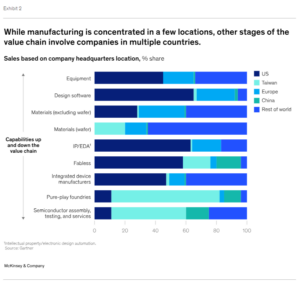
Exploring new regions: The greenfield opportunity in semiconductors
Three factors—supply chain security, sustainability, and subsidies—feature prominently as semiconductor companies expand into new countries or regions.
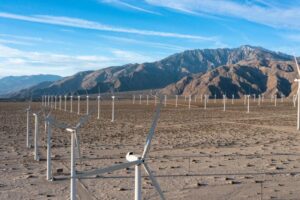
US is world’s most attractive destination for private infrastructure investment
Modernization of state transport, energy and water networks through public-private partnerships is crucial to maintain investment momentum

Revisiting the government’s role in catalyzing modern innovation
A toolkit for public sector organizations to energize ecosystems and spur innovation.