A Focus on What Comes Next for States and Territories After the Infrastructure Investment and Jobs Act
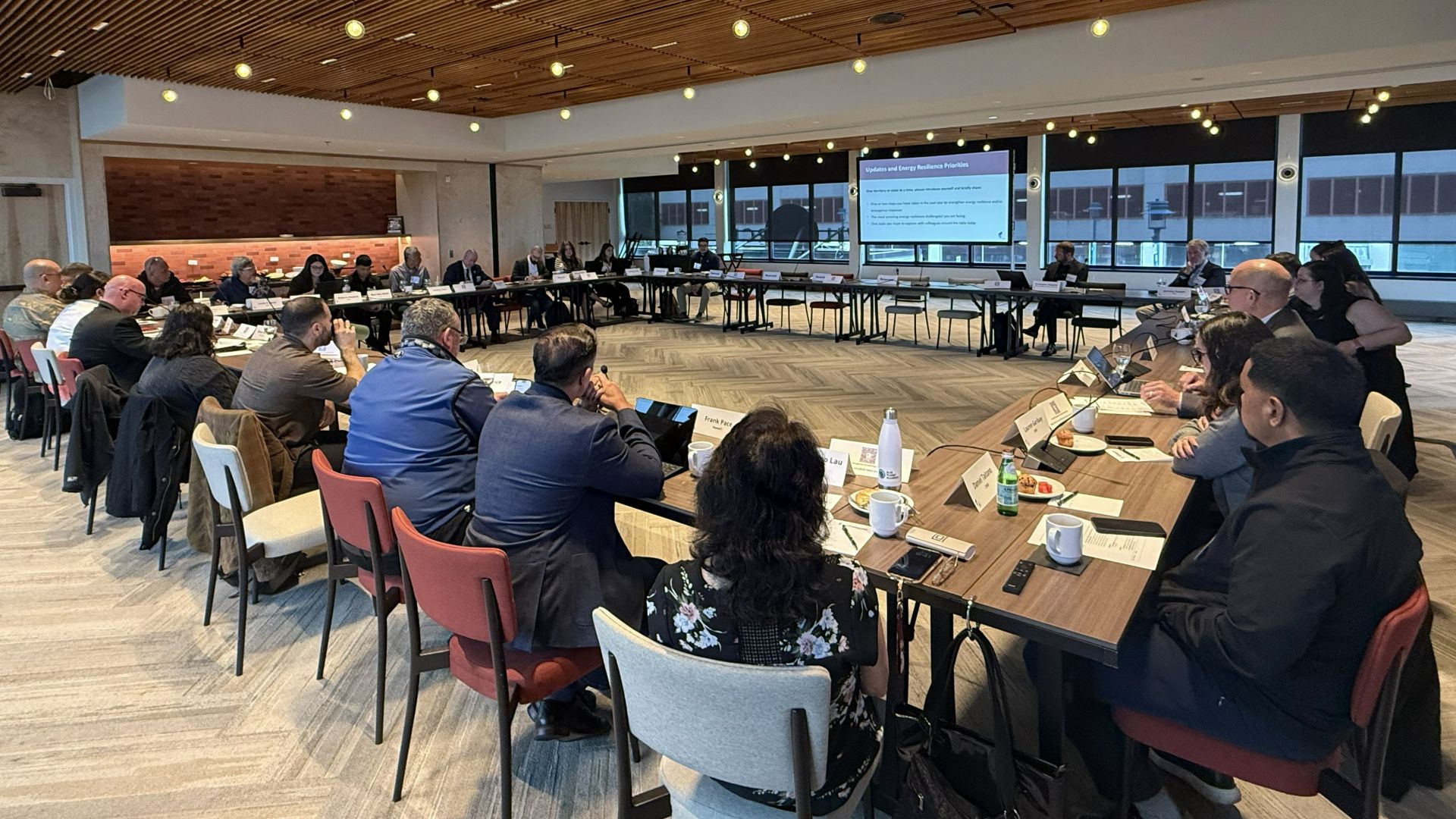
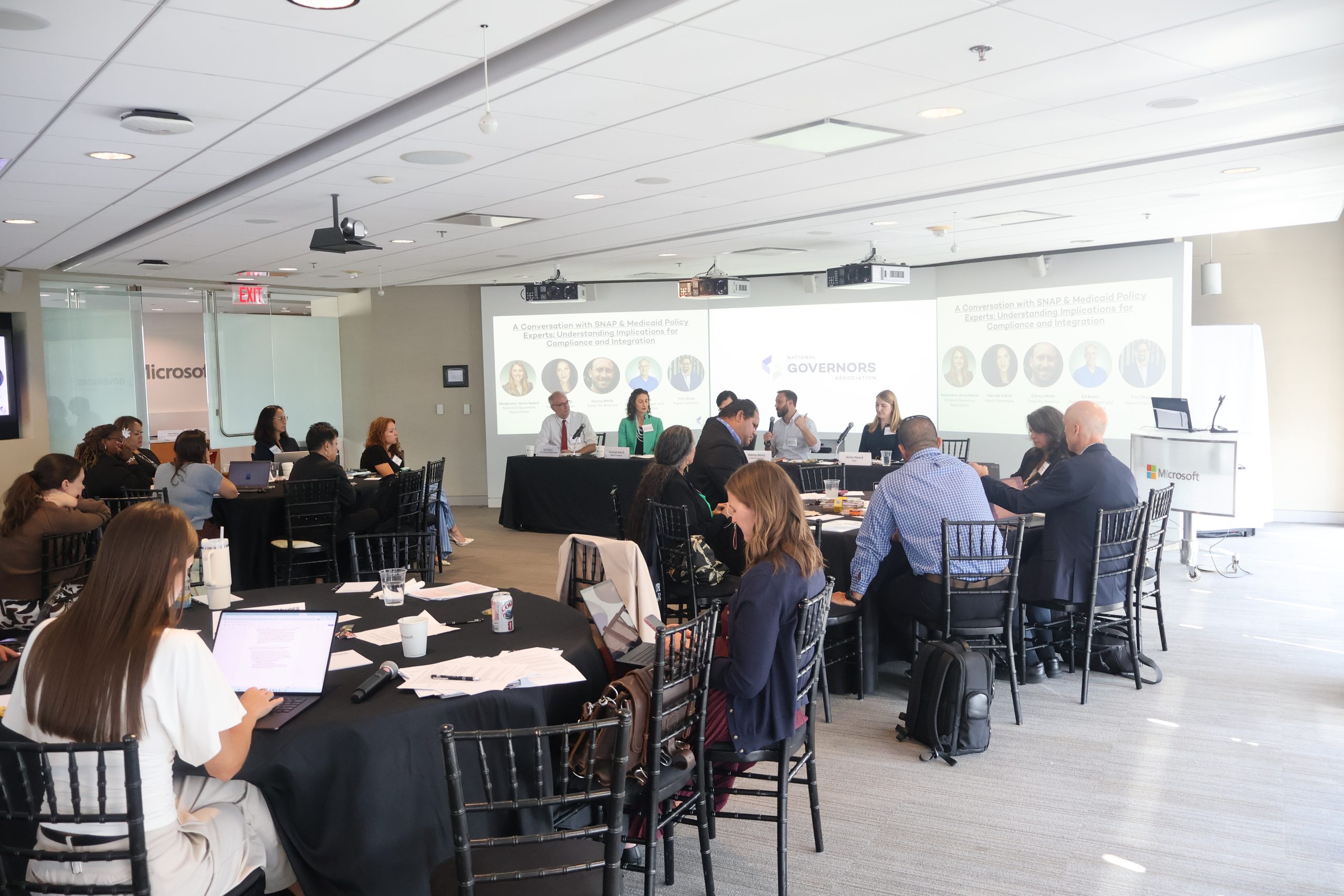
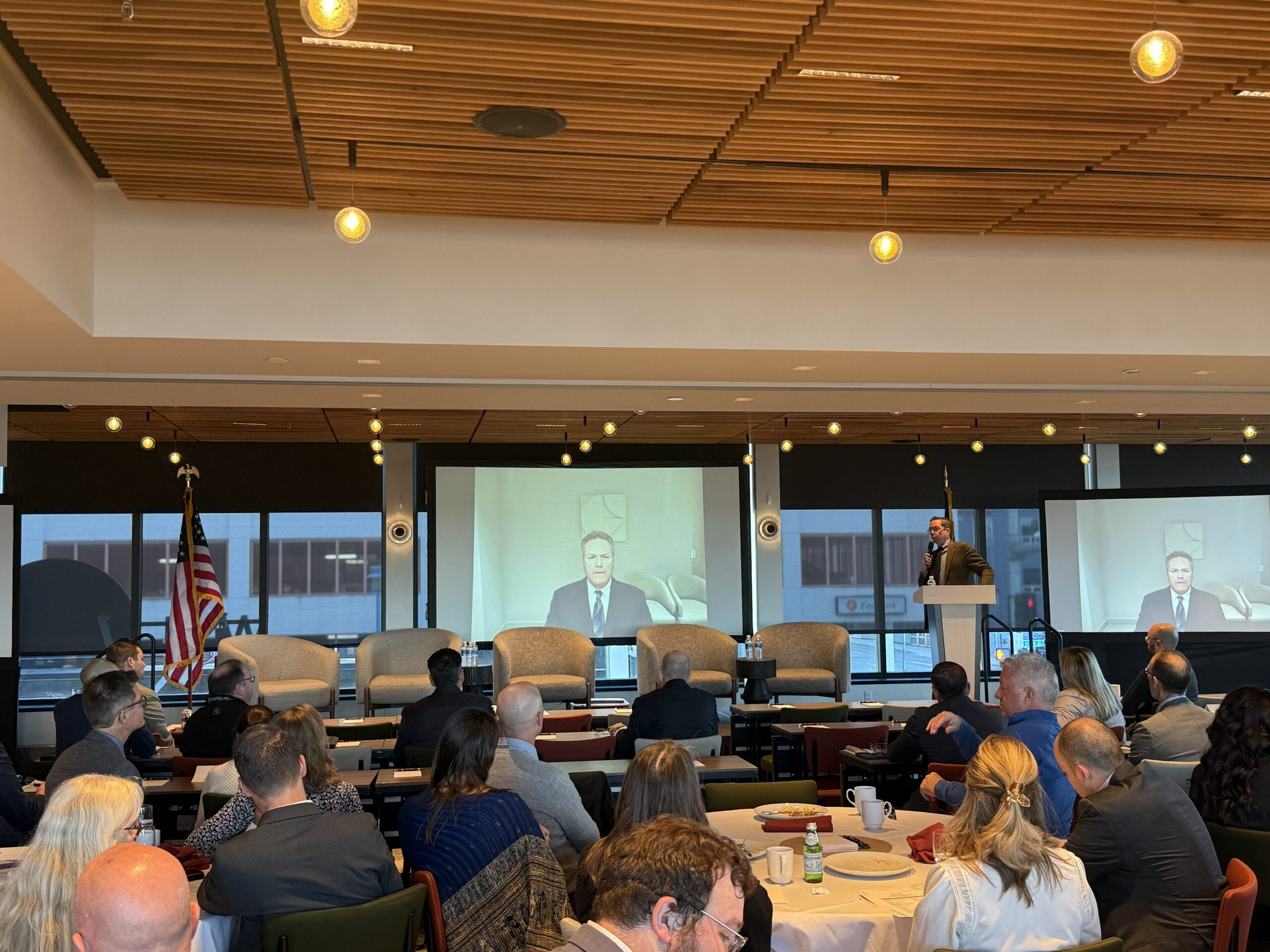
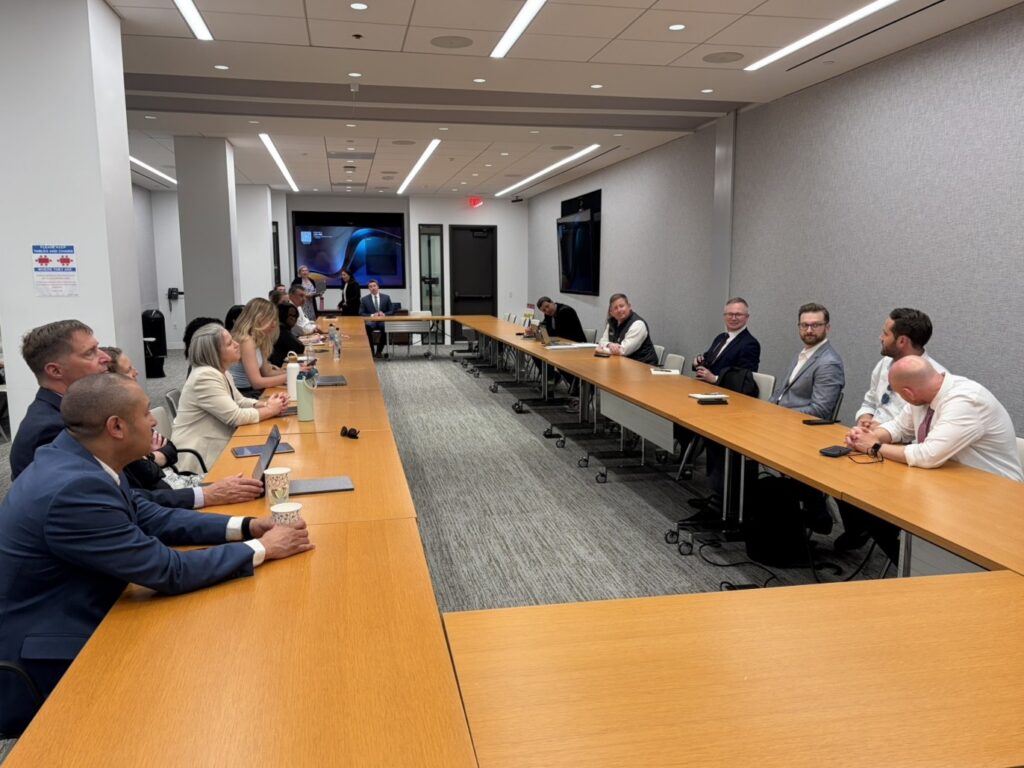
On May 19-20, the National Governors Association (NGA) hosted its 11th Infrastructure Coordinator Workshop in Washington, D.C. This convening brought together over 30 infrastructure coordinators and advisors from 20 states and territories with federal officials, infrastructure practitioners from NGA’s partner network and invited experts to discuss priority infrastructure topics facing governors and their staffs. With the Infrastructure Investment and Jobs Act (IIJA) set to expire in September, the discussions over the two-day event focused on what comes next for federal infrastructure funding, as well as on state and territory best practices in permitting, aligning infrastructure deployment and land use, and public-private partnerships. State and territory staff also had the opportunity to meet with leaders from the U.S. Environmental Protection Agency (EPA) and the U.S. Department of Transportation (USDOT) to discuss federal infrastructure programs and current priorities. The convening wrapped up with state and territory-only discussions, where governors’ advisors highlighted the essential role of the infrastructure coordinator/advisor and explored how NGA can support governors’ infrastructure advisors in the coming months.
Discussion on Federal Permitting Reform and Priorities for States
This session discussed the progress of federal permitting reform in Congress and best practices for states and territories. In 2025, a bipartisan working group of 13 states, which was co-chaired by NGA Chair Oklahoma Gov. Kevin Stitt and Pennsylvania Gov. Josh Shapiro, spent almost a year developing a package of governor-agreed reform priorities focused on federal energy permitting. This culminated in a letter to Congress outlining these reforms in October 2025. Despite passage of the SPEED Act in the House, which focused on reforms to the National Environmental Policy Act (NEPA), progress through Congress has stalled. Panelists identified this moment as an opportunity for states to advance their own reforms to position themselves ahead of federal action while giving federal policymakers a roadmap through these state success stories. Private sector participants highlighted that permitting reform is critical, as investors and developers prioritize certainty and streamlined processes.

Reflections on the Infrastructure Investment and Jobs Act (IIJA) and What Comes Next
Governors’ infrastructure advisors, together with experts in the field, reflected on IIJA and what to expect for federal infrastructure funding after the IIJA expires this year. Despite the influx of critical federal funding in IIJA, which not only increased the baseline but expanded funding into areas such as broadband, rail, airports, energy and water, there were significant challenges. These included the general rise in construction costs since IIJA’s enactment, which significantly eroded buying power, the administrative burden associated with applying for a larger number of competitive grant programs, and the need to administer multiple federal funding programs across asset classes concurrently. Discussing the recently released House BUILD America 250 Act bill, panelists welcomed some provisions, such as a focus on formula funds, new revenue opportunities, as well as the inclusion of permitting reform elements, while also noting concerns that funding proposed in the bill may not keep track with inflation. To prepare for the future, speakers recommended that states and territories lay the groundwork now by developing construction pipelines, setting expectations with stakeholders, and utilizing opportunities to share and learn from each other on efforts to address funding, permitting and governance challenges.
State Best Practices in Permitting and Infrastructure Governance
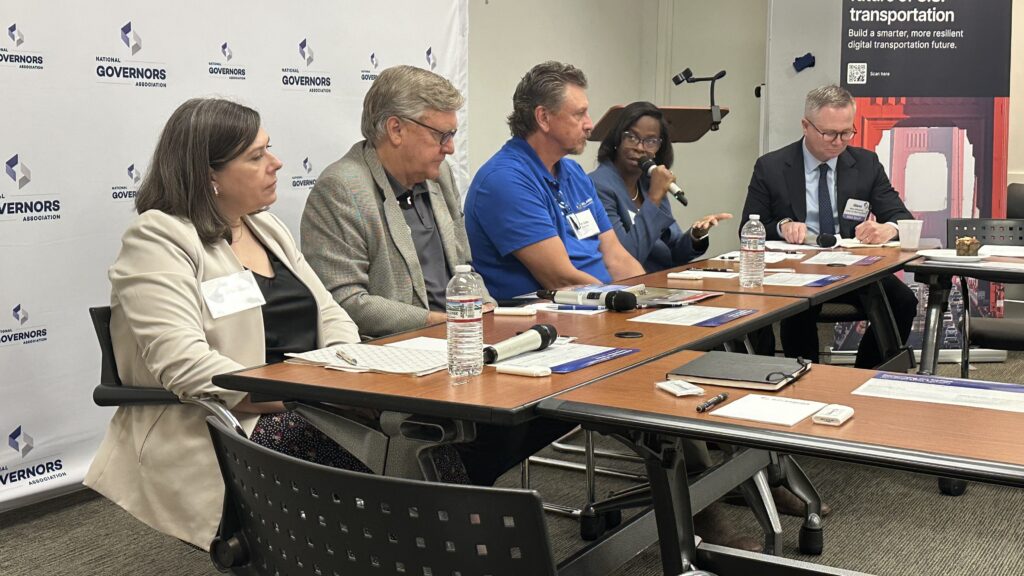
This session highlighted specific efforts that Governors have taken to accelerate infrastructure permitting and governance. A key takeaway is that state-level permitting reform requires whole-system thinking since permitting systems in one sector are related to all others. The use of artificial intelligence to speed up permits can be helpful but is not a replacement for underlying systems and processes. Cross-agency coordination is critical not only for accelerating environmental approvals but also for aligning infrastructure deployment with land-use and housing; coordination can create initial resistance, but peer-to-peer dialogue breaks down silos over time. It was noted that advanced technology like digital twins for infrastructure projects can help visualize projects for communities and speed up permitting, especially for projects in areas with a limited workforce and smaller budgets.

Public-Private Partnerships in the United States
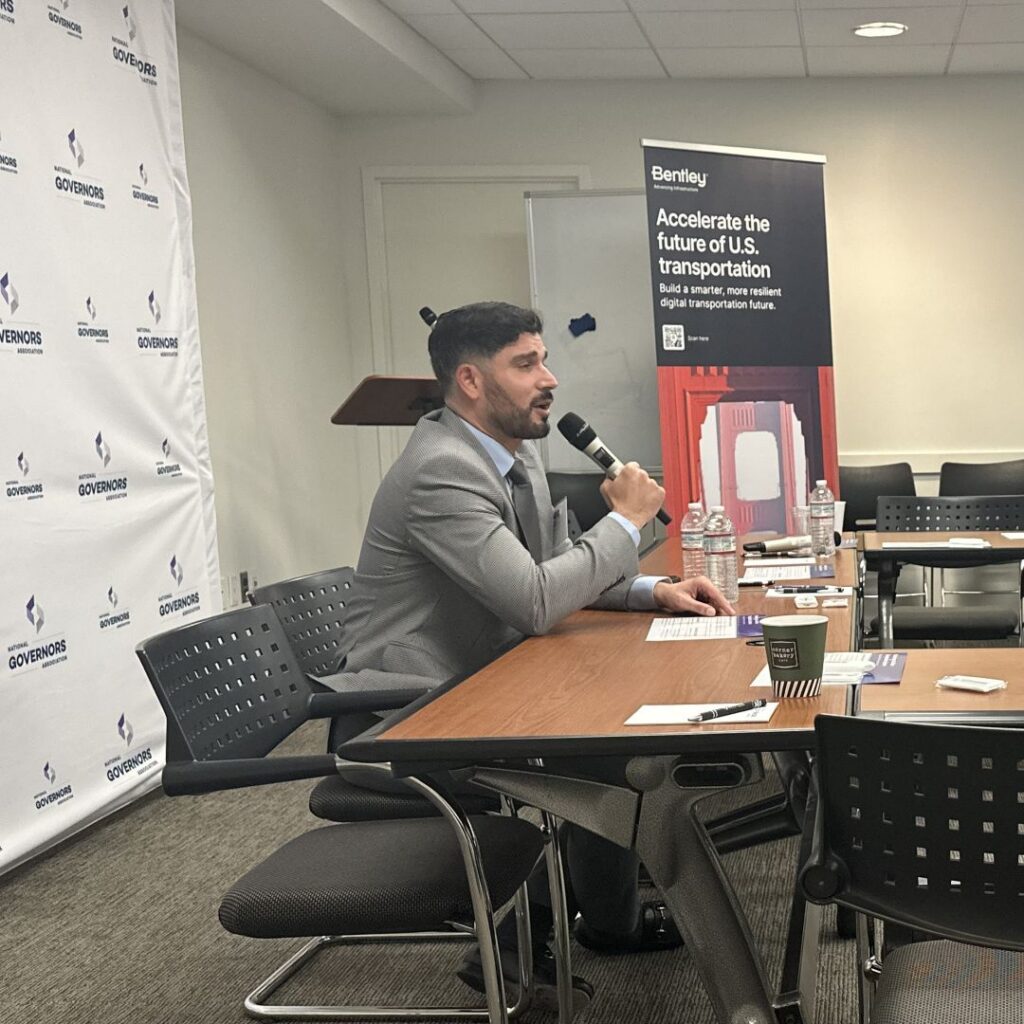
In a discussion focused on public-private partnerships (P3s) in the United States, panelists discussed best practices in the U.S. and opportunities for states and territories through this investment model. Public funding alone will not be sufficient to meet infrastructure needs, even under the most optimistic scenarios, and private capital models, including P3s and asset concessions, are underutilized in the U.S. P3s are not just a financing mechanism – the value comes from how private operators optimize design, operations and revenue generation. Before engaging in P3s, states and territories should understand their state’s asset inventory and what is needed; building internal capacity to structure, negotiate, and manage P3s and asset concessions is a prerequisite for state and territory success. Political risk, rather than financial or legal complexity, is often a key factor in decisions by the investment community.

State and Territory-Only Discussion on Federal Priorities and Funding
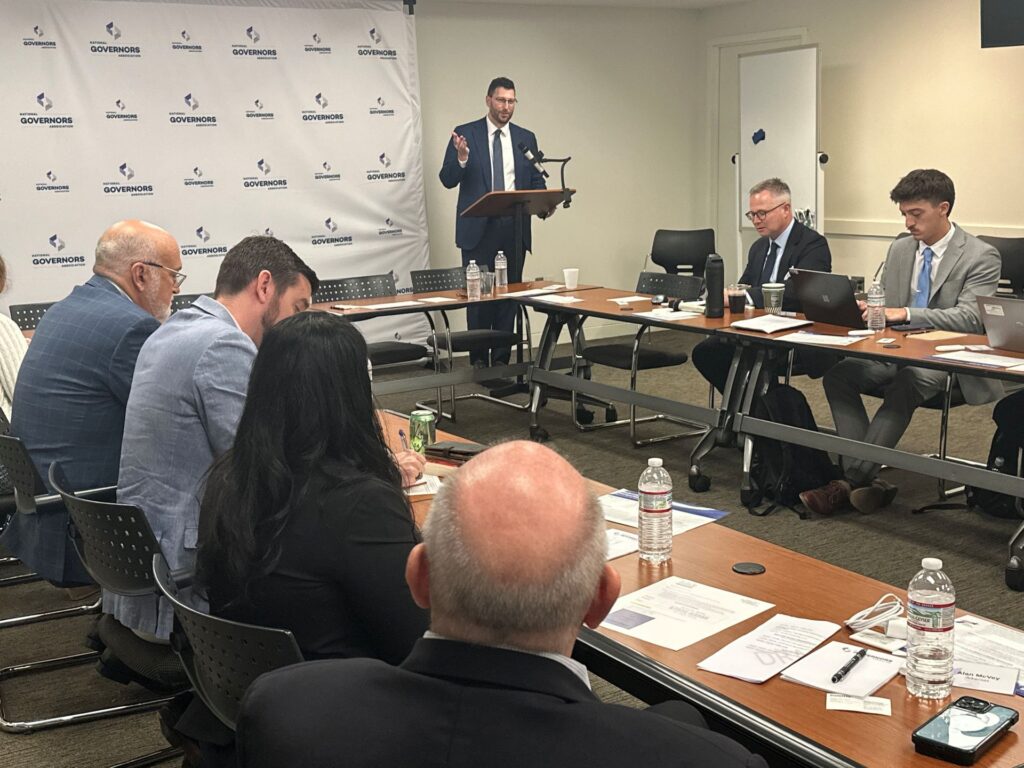
During the convening, governors’ advisors held productive discussions with several offices at U.S. Environmental Protection Agency headquarters, including the Office of Water, Office of Land and Emergency Management, and the Office of Air and Radiation, where state and territory officials received updates on the latest federal regulations, upcoming funding opportunities, and areas for state–federal coordination. Governors’ infrastructure coordinators also had the opportunity to meet with the U.S. Department of Transportation’s Build America Bureau and participated in an informative dialogue with senior officials at the Department’s Federal Highway Administration on federal NEPA assignment, congestion and road safety. In addition, advisors also engaged with Federal Funds Information for States (FFIS) to review new research on the implications of the Infrastructure Investment and Jobs Act (IIJA) and its approaching expiration.
Conclusion
NGA looks forward to building on these discussions and peer connections to continue engaging with NGA’s Governors’ Infrastructure Coordinator Network and supporting Governors’ infrastructure priorities going forward.
NGA would like to thank Governors’ infrastructure coordinators and advisors for taking the time to attend and participate in the workshop, officials from the U.S. Environmental Protection Agency and U.S. Department of Transportation for generously meeting with Governors’ staff and sharing their remarks and insights, and NGA’s Partners and invited guests for their contributions to the discussion and for their continued support of NGA.
For more information about NGA’s work supporting infrastructure, transportation and broadband initiatives, view NGA’s infrastructure resources, infrastructure implementation page and broadband resources.