

Through emergency response, behavioral health investments, maternal health protections, nutrition innovations, rural health transformation, and workforce development, Governors have demonstrated that effective governance requires evidence-based policymaking, cross-agency coordination, and sustained political will.
Governors confronted complex challenges with innovative solutions grounded in evidence and adapted to local contexts. As highlighted at the 2025 Health and Human Services Policy Advisors Institute, states continue navigating evolving federal policies, fiscal constraints, and persistent health disparities through gubernatorial leadership.
Together, Governors are transforming health systems, ensuring that every American has the opportunity to live a healthy, productive life. The following examples reflect some of the top health care stories from 2025.
Leading Through Crisis
The H5N1 avian flu outbreak tested state emergency response systems. Colorado Governor Jared Polis directed swift mobilization of the state’s outbreak working group, testing 141 individuals and confirming 10 cases through coordinated efforts between agriculture and public health agencies. Louisiana reported the nation’s first H5N1-related human fatality, responding with transparent communication and comprehensive surveillance, including a 24/7 clinician hotline and daily updates.
Governors also addressed mental health impacts of natural disasters. Hawai‘i Governor Josh Green’s response to the Maui wildfires established comprehensive mental health support through the Office of Wellness and Resilience. Vermont Governor Phil Scott created Start Over Strong Vermont following severe flooding, providing crisis counseling to help residents rebuild.

Governor Josh Green, M.D.
HawaiʻiBehavioral Health
Mental health and substance use disorders remained top priorities, with Governors implementing comprehensive strategies for prevention, treatment and workforce development. NGA supported these efforts through the Trauma and Addiction Policy Academy, providing technical assistance to New Mexico and West Virginia in strengthening trauma-informed approaches to substance use disorder treatment.
And despite a nearly 24 percent decline in drug overdose deaths nationwide, fentanyl continues to claim lives at an alarming rate, and Governors continue to emphasize the importance of naloxone distribution, public awareness campaigns and integrated treatment approaches through the National Governors Association’s Opioid State Action Network.

Governor Tina Kotek
OregonFederal-State Partnership
Governors recognize the importance of federal-state partnership in health policy emphasizing the need for Governors to have a seat at the table when discussing Medicaid reforms and funding changes.
The Public Health and Disaster Response Task Force, co-chaired by Hawai‘i Governor Josh Green and Vermont Governor Phil Scott, submitted priorities to Congress for Fiscal Year 2026 appropriations. Health and Human Services Secretary Robert F. Kennedy Jr. met with Governors at the National Governors Association Summer Meeting, providing opportunities for direct dialogue on federal priorities and partnership.
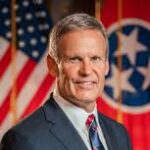
Governor Bill Lee
TennesseeMaternal and Child Health: Protecting Families
Governors recognized that investing in maternal and child health represents both a moral imperative and economic necessity. Approximately 800,000 families annually are affected by maternal mental health conditions including depression, anxiety, and substance use disorders during the perinatal period. NGA is supporting Governors’ work through the Improving Maternal and Child Health in Rural America learning collaborative bringing together officials from 23 states and territories.

Governor Kathy Hochul
New YorkFood Security: Making Food Medicine
Governors pioneered innovative approaches to food security and nutrition, recognizing that access to healthy food constitutes a fundamental health intervention. The Food is Medicine movement gained momentum as state leaders integrated nutrition services into healthcare delivery systems.
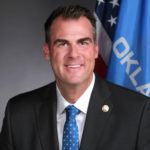
Governor Kevin Stitt
OklahomaHealthcare Workforce Development
Governors recognize that addressing healthcare workforce shortages requires sustained investment in education, training and retention strategies. To reduce recruitment barriers many states and territories have joined behavioral health interstate licensing compacts enabling licensed professionals to practice across state lines and expand access to care in underserved areas.

Governor Andy Beshear
KentuckyRural Health Transformation
The $50 billion Rural Health Transformation Program has created unprecedented opportunities for Governors to strengthen rural healthcare infrastructure, address workforce shortages, and expand access to behavioral health and maternal care services. In addition to health benefits, healthy communities attract businesses and retain talent, as recognized by rural health investments as economic development strategies.

Governor Glenn Youngkin
VirginiaPrimary Care and Chronic Disease Prevention
Recognizing that chronic diseases account for 90 percent of the nation’s $4.5 trillion annual healthcare spending, Governors prioritized prevention strategies. In support of these efforts NGA launched the Rx for a Healthier America Initiative, working with policy academy teams from American Samoa, Maryland, Missouri, U.S. Virgin Islands and West Virginia.

Governor Patrick Morrisey
West VirginiaConclusion
Through emergency response, behavioral health investments, maternal health protections, nutrition innovations, rural health transformation and workforce development, Governors have demonstrated that effective governance requires evidence-based policymaking, cross-agency coordination and sustained political will. Bookmark the Center for Best Practices Health page for updates and analysis on innovation in states and territories.