

BUILD TO LAST: GOVERNORS PRIORITIZE INFRASTRUCTURE INVESTMENT
Infrastructure is the foundation states are built upon. It impacts everything from economic development and global competitiveness, to our quality of life, safety, environment and resiliency. Governors have taken action to enhance infrastructure, including creating new and increasing existing funding streams, advancing public private partnerships, addressing regulatory delays, improving transparency and promoting innovation.
Principles for National Infrastructure Investment
Our national vision for infrastructure investment calls on Congress and the Administration to:
Meet Our Team
- Richard Lukas, Legislative Director
- Alexis Howard, Legislative Associate
ENSURE DEDICATED, LONG-TERM FUNDING & FINANCING
No single stream of revenue or approach to financing will address all the gaps. States need a comprehensive approach that allows for leveraging a variety of funding sources and flexibility to match the right tool with each project. States succeed when there is certainty and stability in long-term federal resources ensuring workforce and economic vitality.
FIX NOW & INVEST IN THE FUTURE
We must fix and expand existing infrastructure and invest in resiliency and security to modernize it for future generations. We must attend to needs across our rural, urban and suburban areas. Infrastructure encompasses more than roads and bridges. It also includes city and community development, transit, passenger rail, seaports and airports, inland waterways and electric vehicle charging networks. It involves water and wastewater, the energy system, electricity grids and power plants, public buildings and advanced communications and information networks. Investments in projects of national and regional significance advance overall global competitiveness.
STREAMLINE PROJECT DELIVERY
Governors support federal actions that streamline project delivery, reduce approval and completion times and increase transparency, but also achieve the intent that underlies critical environmental, planning, design and procurement reviews. States believe that federal infrastructure program reforms are the most effective when they limit federal requirements that preempt state flexibility.
INNOVATE
Governors believe that innovative technologies should be embraced to achieve resiliency, security, safety and efficiency. Infrastructure should incorporate new capabilities related to increase connectivity, autonomy, digital information and electrification. States are leading the way in embracing new practices and technologies that provide innovative solutions to traditional infrastructure needs; federal investments should be integrated and reward positive, evidence-based outcomes.
As a nation, we must invest in our infrastructure systems in three main areas:
Transportation & Community Design
Our nation’s multi-modal transportation system supports and enhances the economic growth of states and the nation. Infrastructure provides the skeletal network that connects the nation. Transportation and well-designed communities help sustain quality of life, promote public safety and enable the flow of interstate and international commerce that underpins the nation’s competitive position in the global economy.
Governors’ Federal Recommendations
- Federal transportation programs and funding should provide maximum flexibility to the states for implementation and innovation because of our diversity of geography, population and priorities. (EDC-2.2.6)
- A federal freight strategy must provide flexibility for states to designate freight corridors within their borders, unconstrained by mileage limits, to connect to the national and international economy and to address states’ unique needs and geographic interests. (EDC-2.2.9)
- Federal incentives that reward positive outcomes in matters such as congestion mitigation and safety are better than prescriptive penalties focused on preemption and unfunded mandates. (EDC-2.2.10)
Natural Resources & Resiliency
Protecting our nation’s critical infrastructure involves strategic investments. With the increased occurrence of catastrophic and widespread natural disasters, governors must maintain and continually update state strategies to prevent, prepare for, mitigate and respond to and recover from these events. Further, as the country’s infrastructure continues to age, and our population rapidly expands, states are addressing how best to manage growth while ensuring resiliency, economic development and protection of the environment.
Governors’ Federal Recommendations
- Effective solutions to water resource challenges require an integrated approach among states and with federal, tribal and local partners. Federal investments should assist states in implementing state water plans. (NR-1.2.1)
- Agriculture needs to be recognized as a strategic partner in developing resiliency and mitigating potential climate change. Practices that have potential to reduce greenhouse gasses, conserve natural resources, increase soil health, protect water quality, promote biomass use and bolster sustainability should be supported. (NR-3.2.1)
- Forest health and management activities are critical to preventing catastrophic wildfires and protecting crucial watersheds. (NR-3.6)
- The federal government, in collaboration with states, should enhance pre-disaster planning efforts to secure critical infrastructure, transportation systems and food supply chains, including advanced technology. (HSPS-1.2.1)
Technology & Energy Innovation
Changes in the way we live and work have occurred in recent years. In order to capitalize on these changes, the infrastructure used to communicate, harness technological innovation, and move energy resources from production facilities to markets must be evaluated, and where necessary, modernized and updated.
Governors’ Federal Recommendations
- Expand high-speed broadband internet access to support growing businesses and promote economic development (EDC-1.2.5).
- Entrepreneurship and innovation should be supported through technology transfer policies that provide for speed and efficiency, but protect national security interests and intellectual property integrity (EDC-1.2.2).
- Supplement state efforts by promoting federal policies that encourage environmentally responsible, secure, efficient and affordable energy production and use (NR-2).
Economic Recovery and Revitalization Task Force
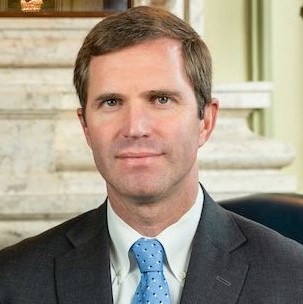
Co-Chair
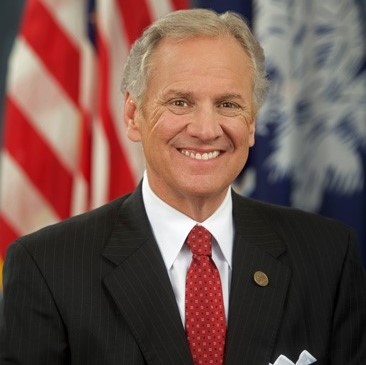
Co-Chair
Infrastructure Advocacy
Transportation Appropriations (Senate)
Surface Transportation Reauthorization
Surface Transportation Reauthorization
Surface Transportation Reauthorization
Highway Trust Fund – Big 7
Testimony – Surface Transportation Reauthorization
Testimony – Surface Transportation Reauthorization
Municipal Broadband Networks

Latest Resources & Commentary

Governors Making the Grade on Infrastructure

Building for Tomorrow: Governors Showcase Infrastructure Investment in State of the State Addresses

Governors Call for Energy Permitting Reform

Governors’ Infrastructure Coordinators Meet in Washington D.C. for Eighth Workshop

States Capitalize on Federal Infrastructure Investments to Expand Workforce Development