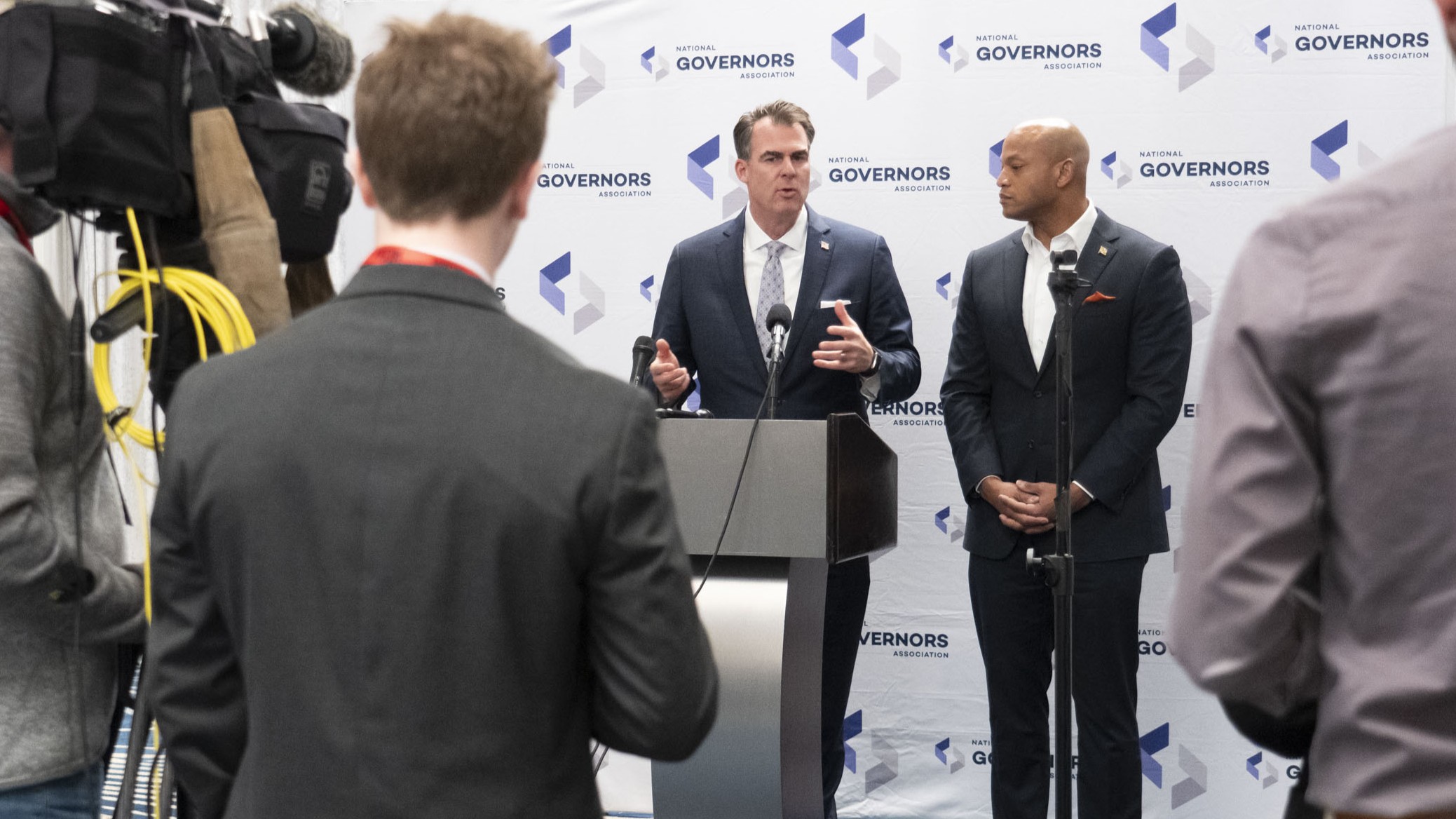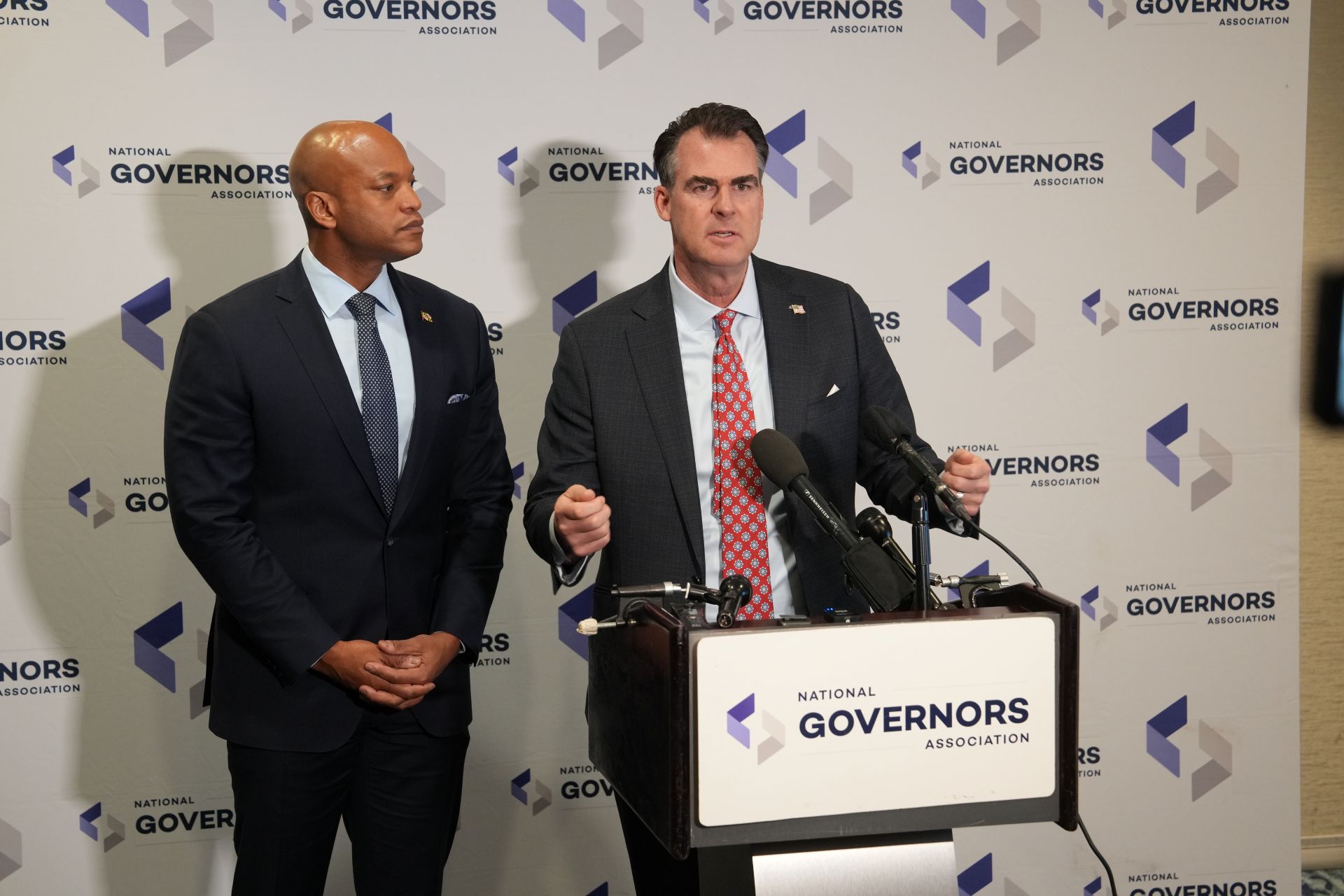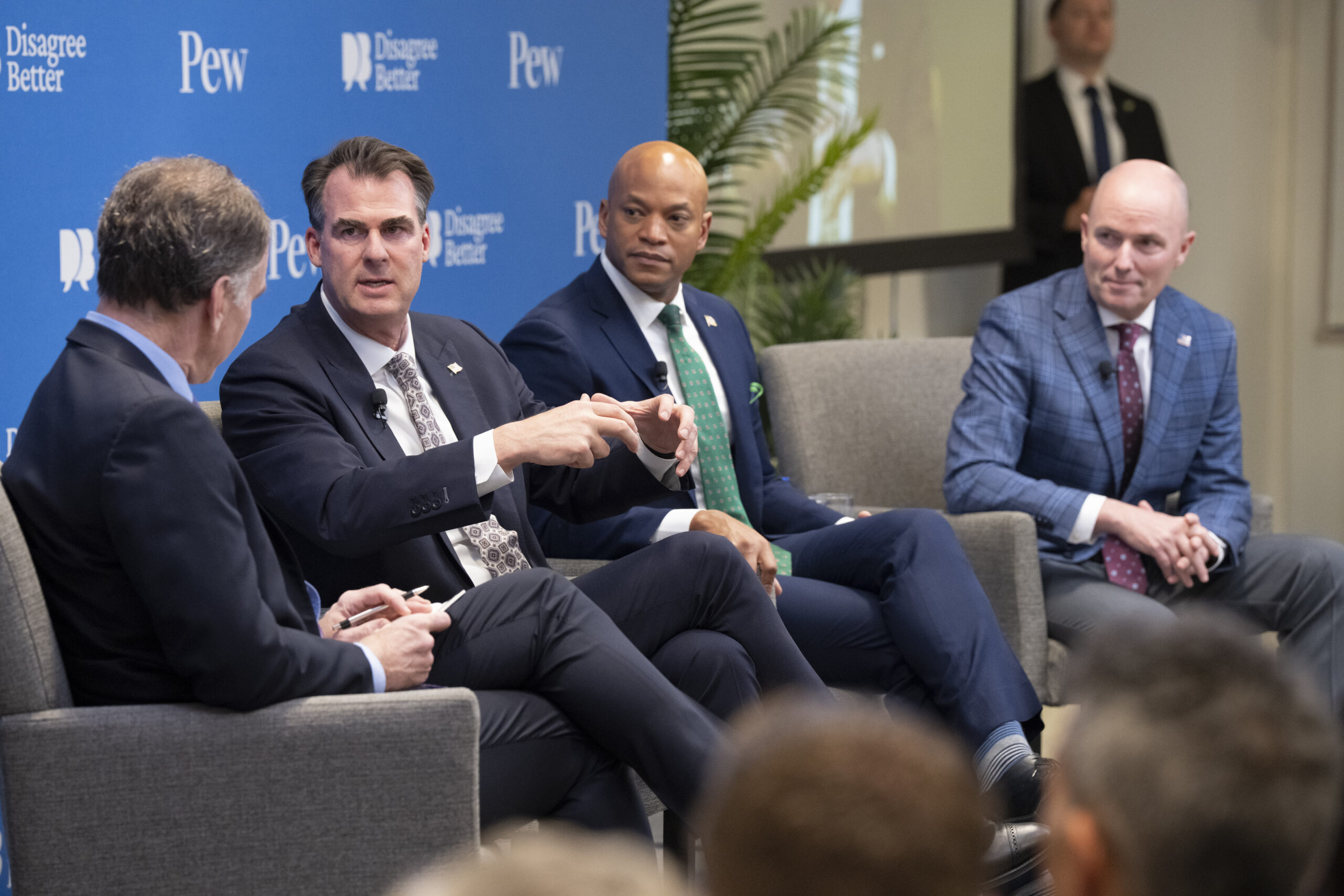
The NGA Center and National Skills Coalition hosted a briefing on January 20, 2026 on credentialing and skills training. NSC shared findings from two new studies: one from small and midsized businesses about their use of credentials, and a second on the experiences of workers and learners who participate in skills training. Together, these briefs shed light on how policymakers can support the credentialing system from both the employer and learner perspective. Below are key takeaways presented at the briefing:
Key Findings from Employer Research
Employer Challenges:
- Most businesses lack strong hiring and skills assessment processes
- Employers struggle to navigate the fragmented landscape of workforce funding across multiple agencies
- The credential landscape is overwhelming—employers understand industry-specific credentials but lack time to evaluate the thousands of credentials available
- Small businesses need targeted technical assistance to identify training opportunities and funding
Success Factors: These factors led to stronger retention rates and hiring practices.
- Breaking down job descriptions into specific skills and competencies
- Creating clear career pathways with wage progression
- Maintaining meaningful connections with education and workforce systems
- Collaborating with industry peers on hiring practices
- Connecting “soft skills” to company mission and safety requirements
- Establishing continuous worker feedback loops
- Acknowledging work-life challenges and developing collaborative solutions
Policy Recommendations:
- Increase funding for skill-building programs and make it easier to access
- Provide technical assistance to help businesses navigate workforce resources
- Expand supervisor training opportunities (not just entry-level training)
- Create more hands-on experience opportunities for new workers
- Support industry sector partnerships for employer collaboration
- Help businesses understand and navigate the credential landscape
Key Findings from Learner Research
Learner Motivations:
- Seeking better jobs, benefits, and stability for themselves and their families
- Responding to a hostile job market with ghost jobs, scam jobs, and low-wage work
- Viewing credentials as signals of marketability, especially without college degrees
Program Selection Factors:
- Affordability was the overwhelming driver—both financial cost and opportunity cost (time away from work and family)
- Learners wanted outcomes data (completion rates, job placement rates, wages) but rarely found it
- Program discovery was informal: friends, family, social media (Facebook, TikTok, YouTube), Reddit, and online searches
- Lack of trust in program-reported data when available
Training Experiences:
- Positive: Participants felt they built valuable technical and job-hunting skills, gained confidence, and appreciated instructor support
- Concerning: About one-third remained unemployed or underemployed after training
- Instructors often provided support beyond their official capacity despite visible resource limitations
Success Factors: Three factors predicted better employment outcomes:
- Strong employer relationships enabling “warm handoffs” to jobs
- Paid work-based learning opportunities (though many externships were unpaid, creating financial hardship)
- Highly regulated fields (healthcare, municipal utilities) with clear licensing requirements and predetermined pathways
Policy Recommendations:
- Expand affordability through financial support and holistic wraparound services
- Make outcomes data more accessible and transparent
- Incentivize employer partnerships and paid work-based learning
- Improve outreach and navigation support for education and training choices
- Connect these insights to workforce Pell implementation
Conclusion
The research from both employers and learners reveals a credentialing system with significant gaps but also clear pathways forward. While employers often struggle to navigate the overwhelming credential landscape and need better technical assistance, learners face barriers around affordability and lack transparent outcomes data to make informed decisions. The most successful outcomes emerge when strong employer-education partnerships create paid work-based learning opportunities and provide direct connections to quality jobs.
For policymakers, the findings underscore the urgency of making credentials more verifiable, portable, and trusted, expanding access to affordable training and upskilling opportunities with wraparound supports, and strengthening the feedback loops between workforce systems, education providers, and employers. As states move forward with initiatives like skills-based hiring and Workforce Pell, these insights offer a roadmap for building a credentialing system that genuinely serves both the businesses seeking skilled workers and the individuals pursuing economic mobility.
Please contact Portia Pratt (ppratt@nga.org) for more information on this briefing and NGA’s continued work on credentialing and skills training.