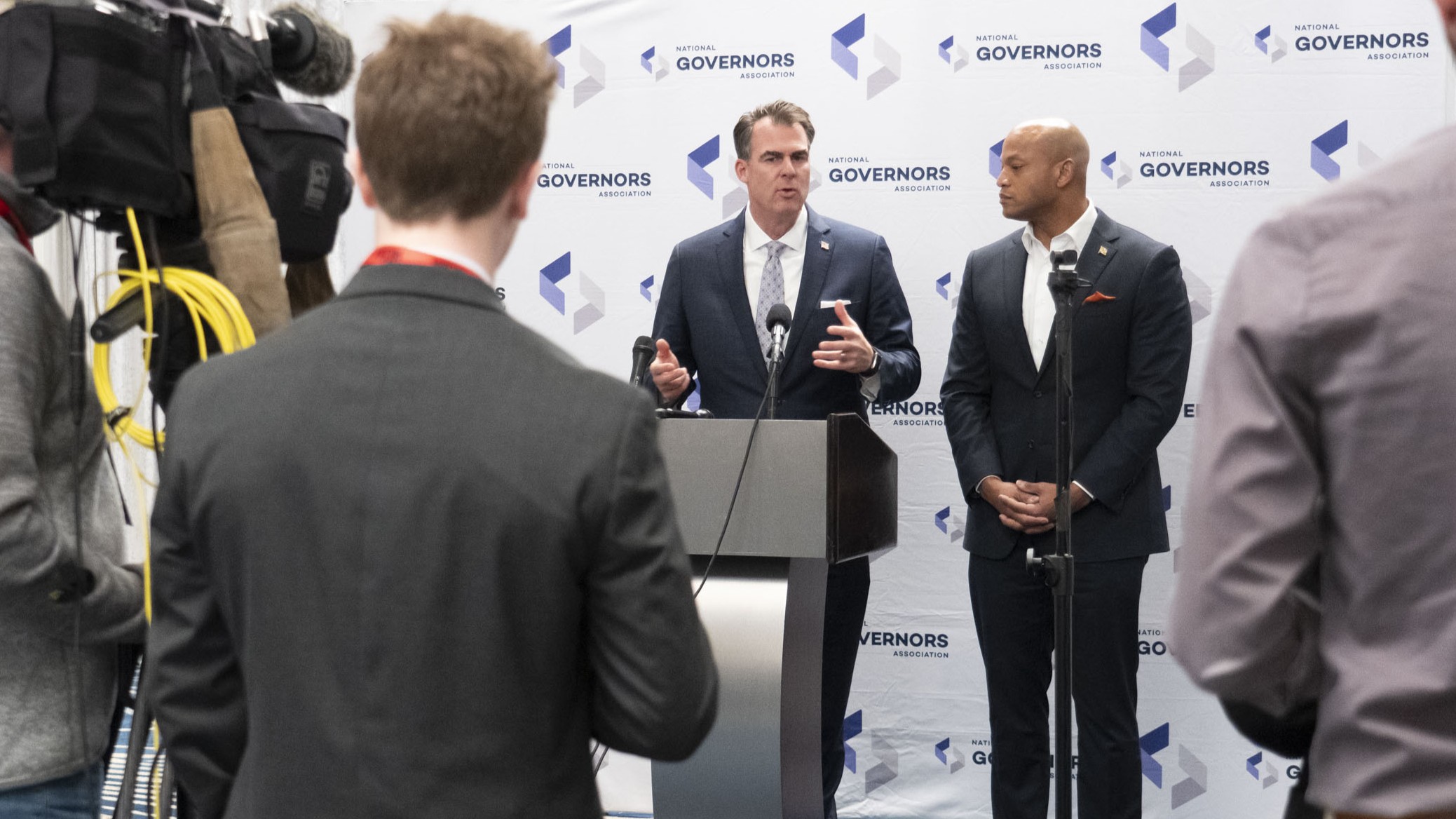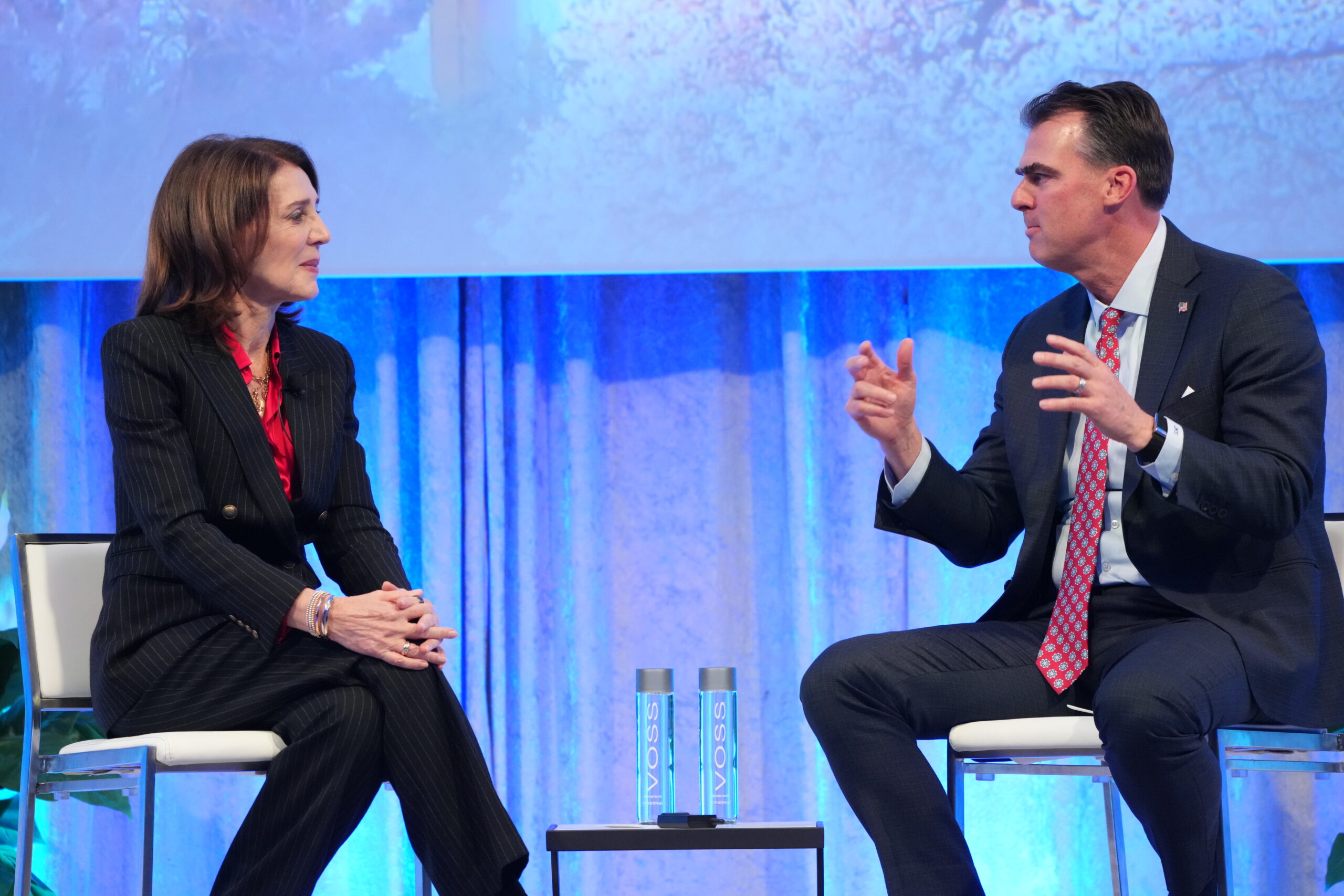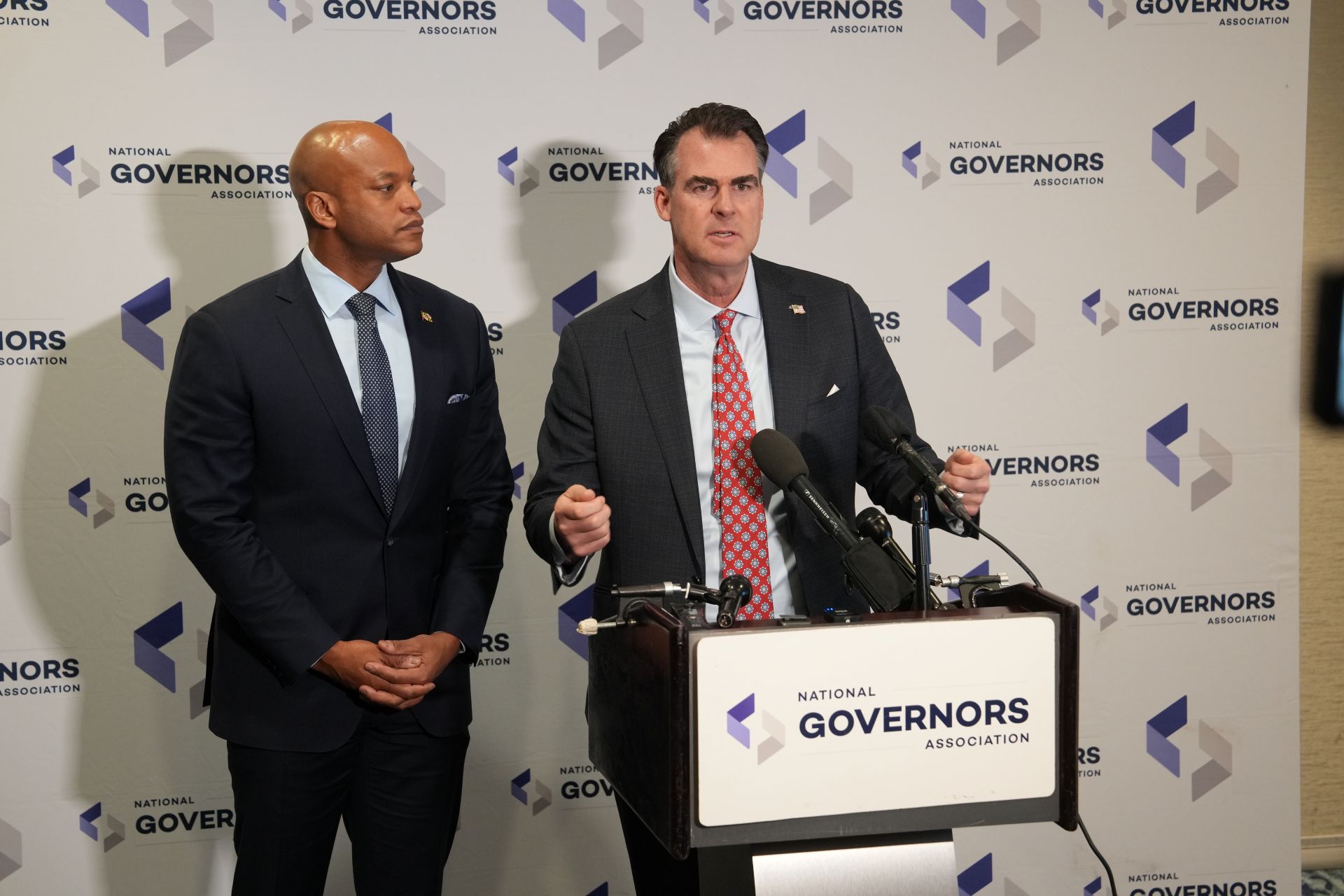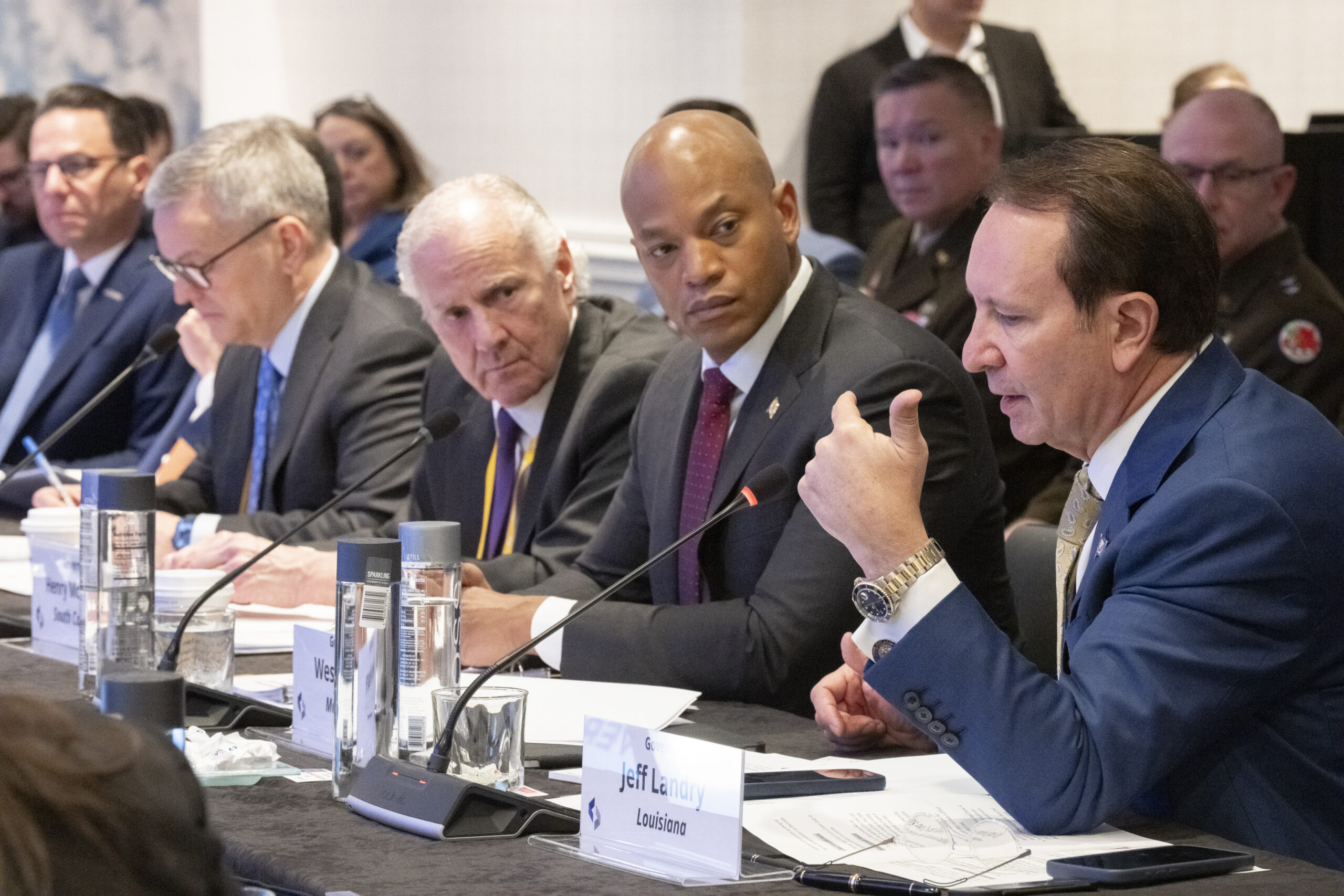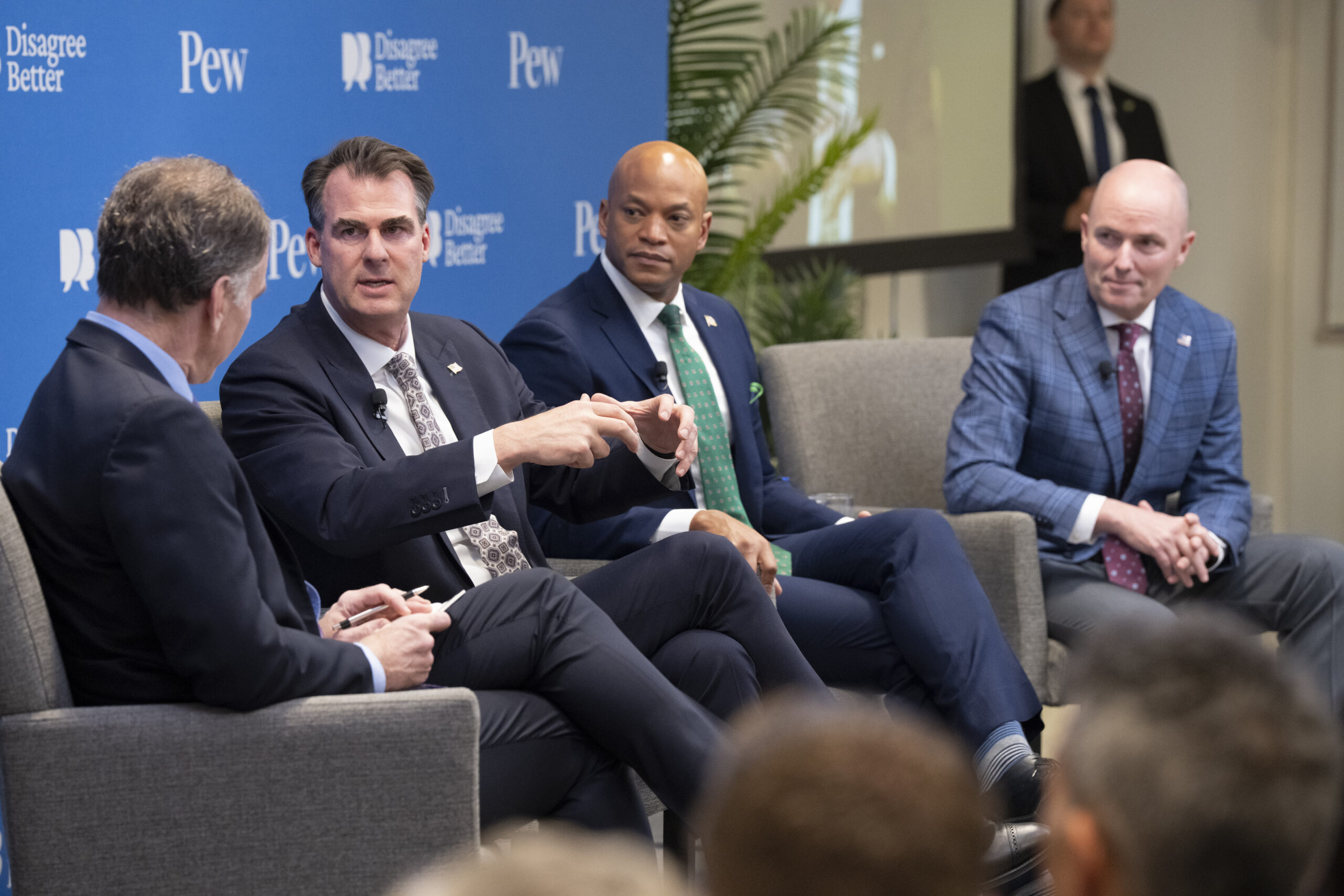
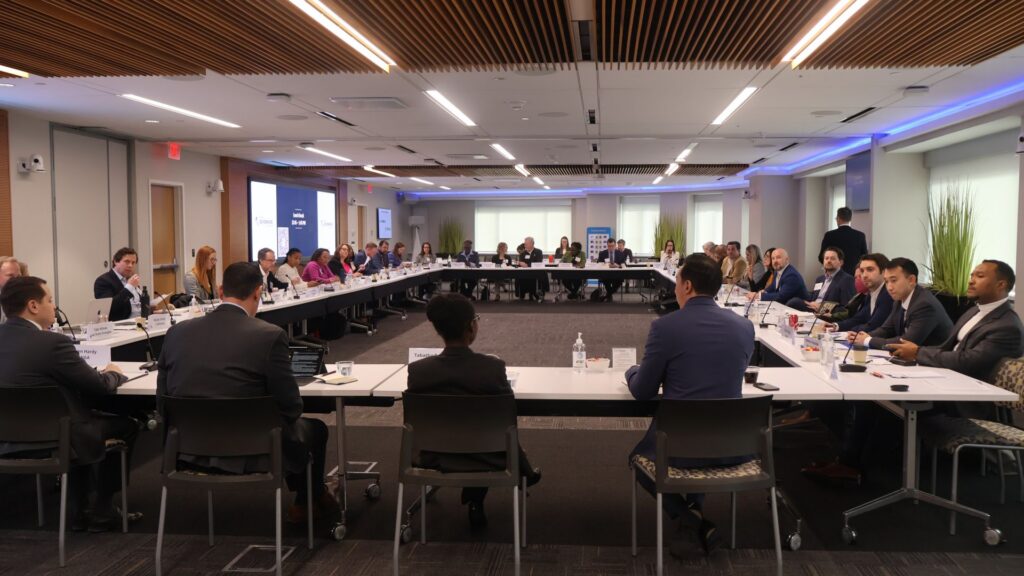
On January 28, 2026, the NGA hosted a roundtable to bring together 11 states and industry stakeholders to discuss cannabis and hemp policy. Sessions focused on the status of cannabinoid markets, public health and safety strategies, how Governors can take the lead in ensuring sustainable marketplaces, and the role Governors and states can play in federal reform.
Cannabis and Hemp 101
Speaker
- Gillian Schauer, Executive Director, Cannabis Regulators Association (CANNRA)
The roundtable opened with a look at the U.S. cannabis industry, which faces ongoing regulatory complexity driven by its federal status as a controlled substance, requiring state-by-state market frameworks that prioritize consumer safety and public health through varying but safety-focused regulations. States must balance adult-use market expansion with distinct medical program needs, while navigating changing federal policy on hemp and state hemp markets. Meanwhile, the industry and state governments are preparing for marijuana’s likely rescheduling from Schedule I to Schedule III.
A Decade in the Making: Status of Cannabinoid Markets 10+ Years Post-Legalization
Speakers
- Ean Seeb, Governor’s Special Advisor on Cannabis & Natural Medicine, Office of Colorado Governor Jared Polis
- Chris Lindsey, Director of State Advocacy and Public Policy, American Trade Association of Cannabis & Hemp (ATACH)
- John Sullivan, Executive Vice President, Government & Public Affairs, Cresco Labs
- Moderator: Tyler Klimas, Principal, Leaf Street Strategies
Looking at lessons learned, this panel discussed how successful cannabis programs require a consumer-focused approach that balances accessibility through strategic retail planning with evidence-based regulation informed by other states’ experiences, as over- or under-regulation significantly impacts businesses and markets. Statutory frameworks should build in regulatory flexibility to address the rapidly evolving cannabis landscape without requiring repeated legislative amendments. Furthermore, states should consider providing dedicated small business support resources beyond regulatory agencies and clearly communicate the opportunities and challenges to operating a regulated cannabis business. Finally, states should recognize that high tax rates inadvertently sustain illicit markets by deterring legal consumer participation and remain prepared to adjust taxation structures as federal policy evolves toward potential federal tax participation in the regulated cannabis market.
Public Health and Safety: The Bedrock of Public Trust and Confidence
Speakers
- Adria Berry, Executive Director, Oklahoma Medical Marijuana Authority
- Gillian Schauer, Executive Director, CANNRA
- Gabe Parton Lee, General Counsel, Wyld
- Moderator: Brittney Roy-Morales, Program Director, Health, NGA Center for Best Practices
From this panel attendees heard that effective cannabis regulation depends on balanced and targeted enforcement mechanisms, specialized in-house technical expertise, and foundational seed-to-sale tracking systems implemented from program inception to ensure market integrity, product recalls, and consumer safety. Critical infrastructure needs include strong lab testing oversight through state reference laboratories, comprehensive baseline data collection with sustained funding initiated prior to market launch. These efforts will help states and industry stakeholders track youth access, understand health impacts, and lead on multi-faceted youth education programs featuring age-appropriate, fact-based information delivered through trusted channels, with consistent long-term funding. Successful implementation ultimately requires breaking down organizational silos to enable seamless cross-agency coordination among regulatory bodies, law enforcement, public health departments, and other state entities throughout the regulatory ecosystem.

Governors Taking the Lead: Supporting Responsible Growth of State Markets
Speakers
- Ben Larson, Chief Executive Officer, Vertosa
- Brian Herrington, Vice President, External Affairs, The Scotts Company
- Tabatha Robinson, Director, Maryland Cannabis Administration
- Moderator: Ken Hardy, Program Director, Public Safety & Legal Counsels, NGA Center for Best Practices
This panel of industry operators and state regulators identified critical gaps between regulatory ambitions and agency capacity. State regulators stressed that agencies need budget flexibility, embedded legal counsel, and dedicated resources or cross-agency support for illicit market enforcement to succeed. Meanwhile, industry and state representatives cited the need for greater proactive engagement between government and operators to share learned experience and expertise. An urgent issue for industry is taxation: excessive tax burdens prevent legal businesses from competing with illicit markets, threatening the entire regulatory framework. Looking ahead, panelists stressed preparing for federal rescheduling and interstate commerce through quality standards, GMP certification, and local brand building. The consensus: market viability and public health are not competing goals but interdependent priorities requiring genuine partnership between government and responsible businesses.

Federal Reform: Federal Illegality and the Building Pressure of Patchwork Regulation
Speakers
- Amy Moore, Director, Missouri Division of Cannabis Regulation
- Vince Ning, Founder and Chief Executive Officer, Nabis
- Lauren Niehaus, Executive Director, Government Relations, Trulieve
- Shanita Penny, Executive Director, Coalition for Cannabinoid Policy, Education, and Regulation
- Moderator: Tyler Klimas, Principal, Leaf Street Strategies
This panel revealed how federal prohibition forces legitimate businesses to operate under significant constraints, including facing inflated business costs, scalability impediemnts, high tax burdens, and a lack of access to traditional banking services. In the absence of federal research or regulatory framework, state regulators have developed remarkable expertise and cross-state consensus on best practices. The path forward requires completing rescheduling to enable research and reduce tax burdens, passing cannabis banking protections for financial institutions, and coordinating federal-state enforcement against illicit markets, among many other needed priorities. Opening up interstate or international commerce will require thoughtful execution, as will creating medical cannabis reimbursement pathways for patients. States are already building consensus on regulatory best practices, which will provide a sound foundation for future federal standards that respect state sovereignty and safe, sustainable markets nationwide.

For more information on this event and upcoming NGA activities, please contact Ken Hardy or Erin Daneker.