A top priority in Governors’ 2026 State of the State addresses is housing affordability and supply. From accelerating construction to lowering costs for first-time buyers, Governors are advancing practical, state-led solutions to strengthen communities and expand opportunities for homeownership. At the center of these efforts is a shared understanding: housing is foundational to the American Dream, economic mobility and long-term growth.

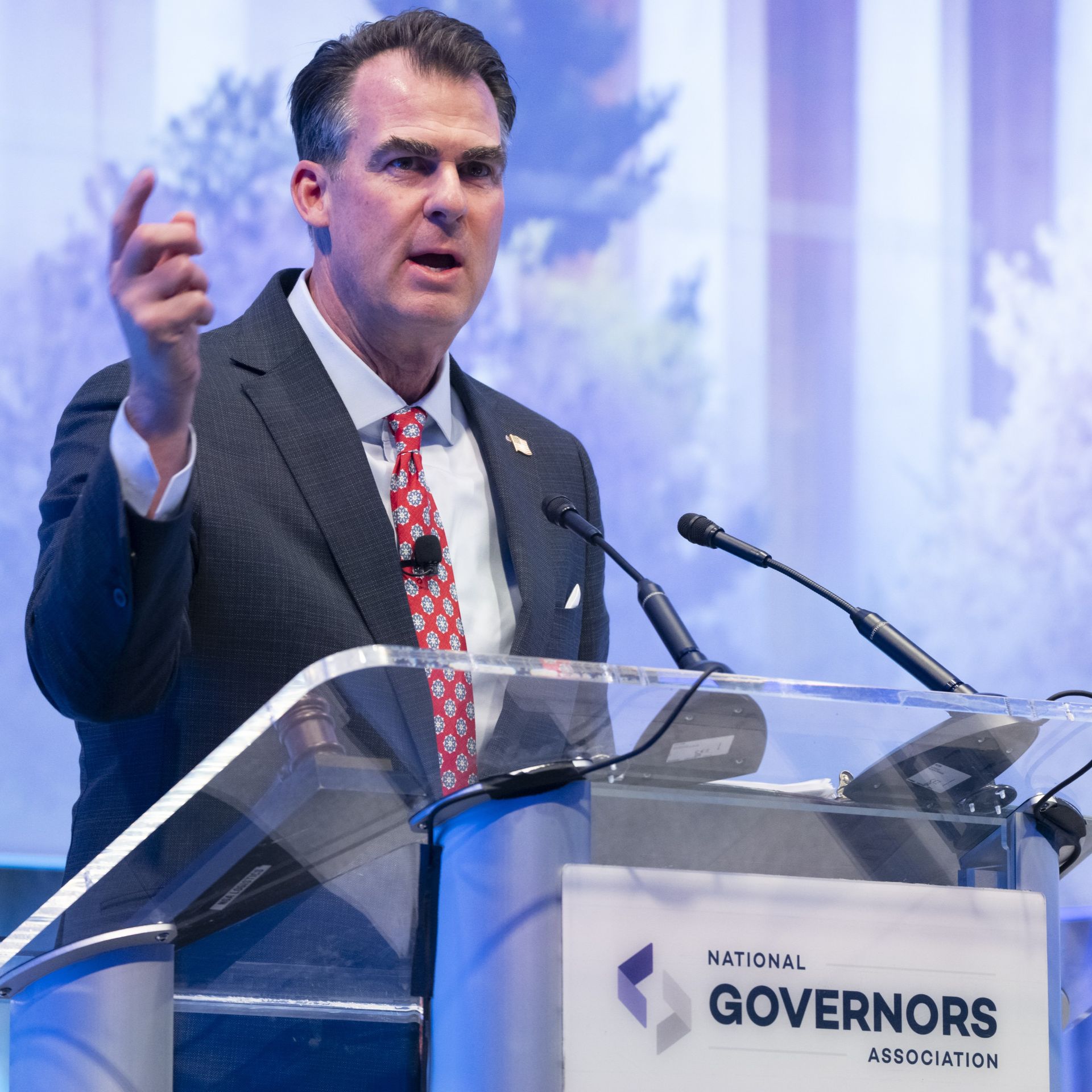
Governor Kevin Stitt
OklahomaBuilding More Homes, Faster
Governors are focused on increasing housing supply to address rising prices and persistent shortages:
- “We are building new housing in Hawai‘i at a scale not seen in decades. Over the next decade, more than 20,000 additional homes are planned on state lands — and we are tracking over 62,000 housing units across more than 250 projects statewide, including 46,000 affordable homes.” Hawai‘i Governor Josh Green
- “We have to be a state where teachers, nurses, and recent grads can actually afford to live. The problem is, we haven’t built homes since the nineties. That’s why prices and rents are so high; there aren’t enough homes to go around. So here’s the plan: we’re going to build more and build faster.” Massachusetts Governor Maura Healey
- “We must pull every lever to increase the supply of housing — reform zoning, streamline permitting, support infrastructure, and encourage innovation. If we want strong, stable, connected communities throughout Utah, we have to build more homes. That means less government, not more.” Utah Governor Spencer Cox

Governor Kelly Ayotte
New HampshireLeveraging Public and Private Investment
Several Governors highlighted new financing tools designed to accelerate development and stretch public dollars further:
- “I am announcing a new Housing Acceleration Fund to build more affordable housing, faster. The fund leverages public and private dollars to unlock lower cost financing and multiply the affordable homes we build.” Arizona Governor Katie Hobbs
- “To preserve the American Dream of owning a home, Kentucky needs a big, bold investment now. It can’t wait. It can’t be incremental. So I am proposing a game-changing $150 million investment in our Affordable Housing Trust Fund. Combined with private dollars, that would create a billion dollars of new housing. We must tackle the shortage in housing, and we must do it now.” Kentucky Governor Andy Beshear
- “This year we’ll invest an additional $250 million for affordable housing and $100 million to scale innovative, manufactured housing that lowers costs and speeds construction.” New York Governor Kathy Hochul
Lowering Costs and Expanding Access
Governors are also addressing affordability by targeting the costs that prevent families from entering the housing market:
- “Home prices have surged because we aren’t building enough, and unnecessary regulations are driving up costs.” Indiana Governor Mike Braun
- “Rising property taxes and home prices also leave young Iowans wondering if they’ll ever be able to achieve the American Dream. That’s why I’m proposing a tax-deductible savings account for first-time homebuyers so families can contribute years in advance, helping sons, daughters, even grandchildren be prepared for homeownership when the time comes.” Iowa Governor Kim Reynolds
States Leading on Housing
By cutting red tape, mobilizing capital and investing in long-term solutions, Governors are laying the groundwork for more affordable, stable and prosperous communities in 2026 and beyond.