Governors’ recent early care and education (ECE) focus has predominantly centered on building child care supply and increasing affordability and accessibility of programs across their states and territories. These efforts focus on addressing workforce shortages, expanding provider capacity, and reducing administrative burden for families and providers. As federal funding across programs continues to shift, Governors are prioritizing innovative and sustainable solutions to advance their ECE priorities.
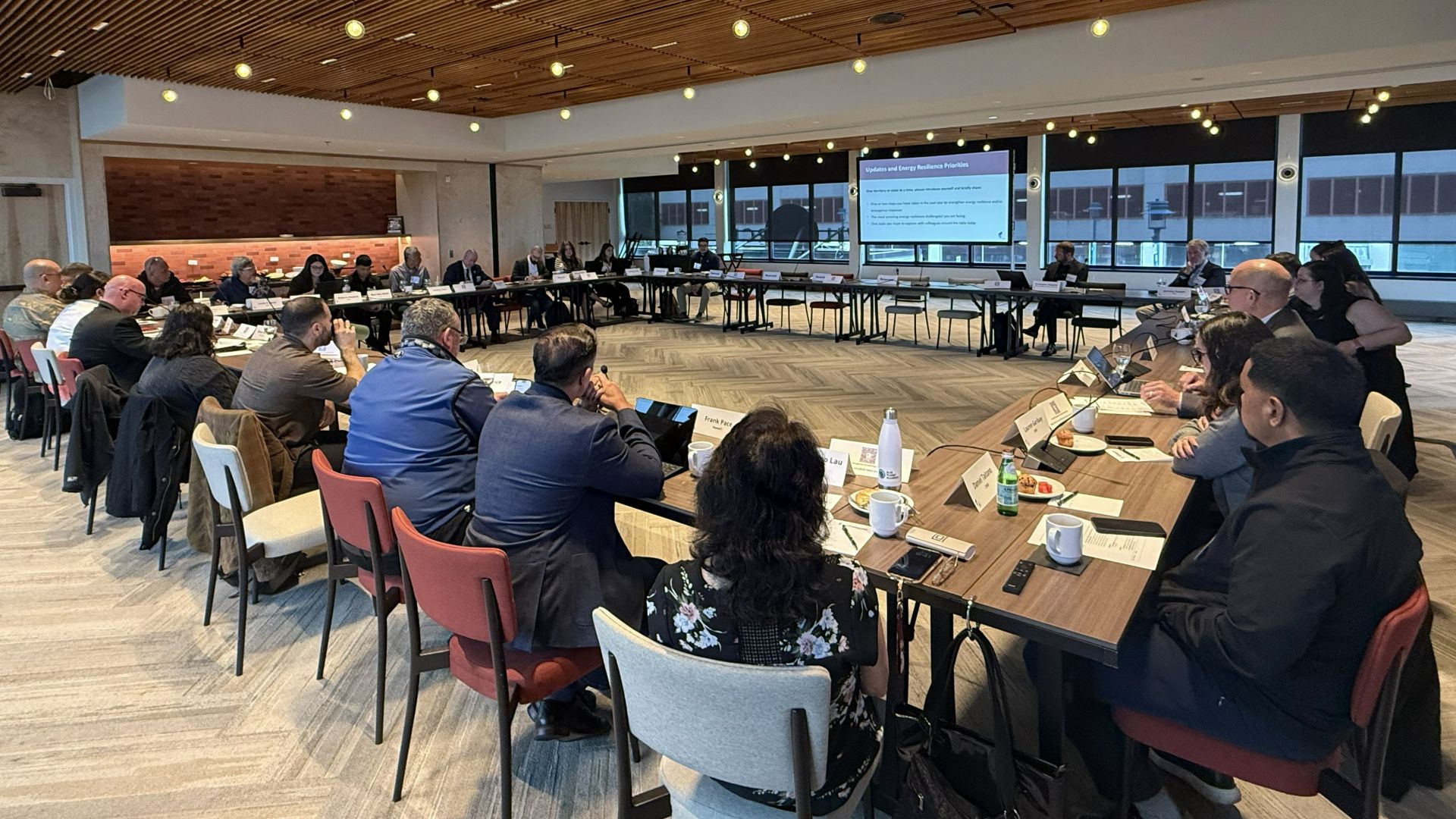
On February 25, 2026, the NGA Children & Families team convened state and territory Human Services Policy Advisors to share state strategies, challenges, and lessons learned in strengthening child care systems. The February Network call featured state spotlights from Alaska, Arizona, Maine, Vermont, and Wyoming, highlighting how Governors are strategically pursuing their ECE goals.
A recording is available here. Please contact the NGA Children & Families team for the password.
Key Takeaways:
- Leveraging the Power of Convening: Governors are utilizing their convening authority to bring key stakeholders (philanthropy, the business community, agency leadership, etc.) to the table to support their ECE priorities.
- Early care and education remains a priority amid competing human services demands: Governors are acknowledging child care as an essential workforce and economic priority, while also balancing the increased funding demands across Medicaid, SNAP, and other human services programming.
- Employer and business engagement: States and territories are increasingly working with employers and the business community (e.g. Wyoming Business Council) to bridge the connection between child care access and workforce participation, leveraging business partnerships and employer‑led approaches to expand supply and support working families.
- Provider capacity strategies: States and territories are examining compensation and rate levers to bolster child care provider capacity with investments designed to enhance workforce retention, credential growth, and provider stability.
- Modernization to reduce administrative burden: Many states and territories emphasized streamlining licensing, eligibility, and payment processes to reduce burden and improve efficiency for providers and families.
State Spotlights
Maine: Maine is focused on workforce retention, transitioning its ARPA funded stipend program to a fully state funded model. The tiered structure encourages professional advancement as a strategy to maintain child care supply across the state; external evaluation findings demonstrate the program’s contributions to workforce stability as Maine continues to prioritize workforce development throughout 2026.
Alaska: Through the Governor’s Task Force on Child Care, Alaska is advancing a set of statutory, regulatory, and operational changes aimed at improving access, affordability, and efficiency. The state is modernizing licensing and background check processes and expanding recognition of tribal licensing authority to reduce administrative burden. Alaska is also partnering with employers, embedding child care into their Rural Health Transformation Program.
Vermont: Vermont has positioned child care at the center of their workforce growth and affordability efforts. Through Act 76, passed in 2023, the state expanded child care assistance eligibility, eliminated waitlists, and implemented major reimbursement rate increases, prioritizing building supply and improving alignment between child care assistance and universal pre-k to reduce system complexity for families.
Arizona: Under the Governor’s Bright Futures AZ initiative, Arizona is advancing child care as a workforce and economic development priority. Governor-led convenings, including a business roundtable, brought together employers, philanthropy, and agency leaders to elevate child care as a shared economic issue. In parallel, the state has made significant general fund investment (~$45 million) in child care subsidies, reducing waitlists and expanding access while supporting providers through targeted financial support and regulatory flexibility.
Wyoming: Through partnerships with the Wyoming Business Council, Wyoming is reframing child care as a workforce and small-business priority, offering start up grants paired with business development support. Wyoming also launched ECARES, a modernized eligibility and payment system that reduces administrative burden and improves access for families and providers. Wyoming is also prioritizing workforce wellbeing with a focus on mental health supports for early care and education professionals and families.
This summary was developed by Ekaan Ahmad, Policy Coordinator for the Children & Families team.