Support grows among governors and philanthropies for Gov. Moore’s NGA campaign to bring service programs to states across the nation.
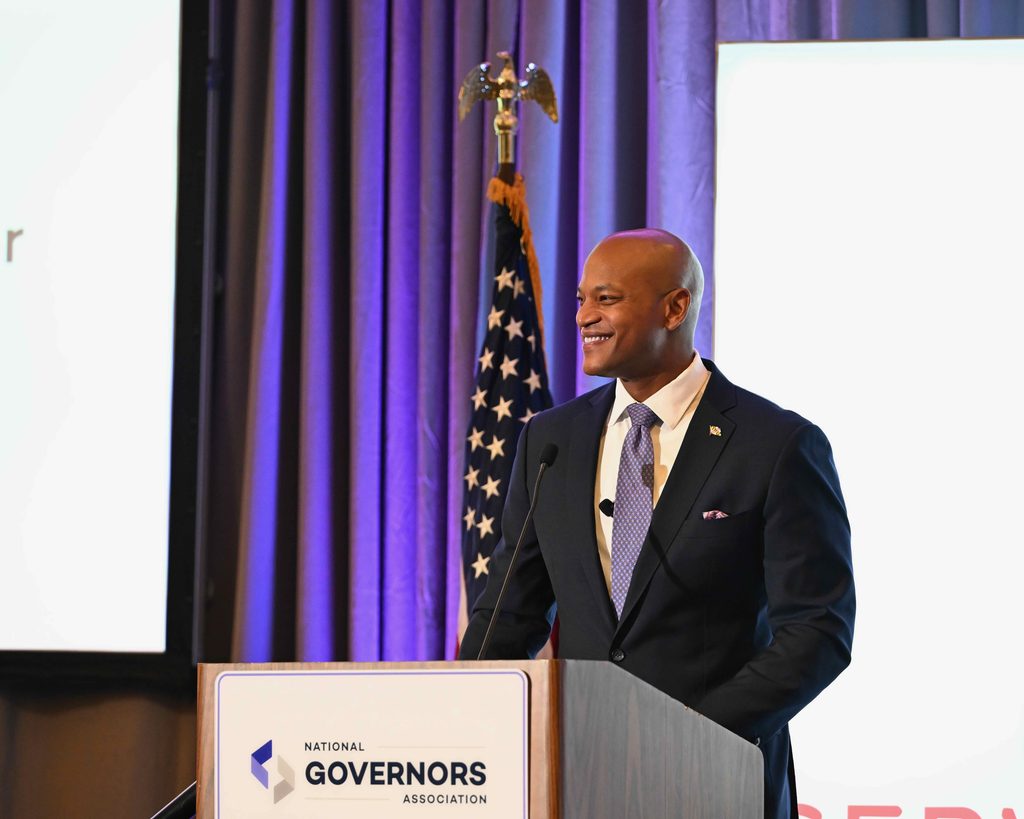
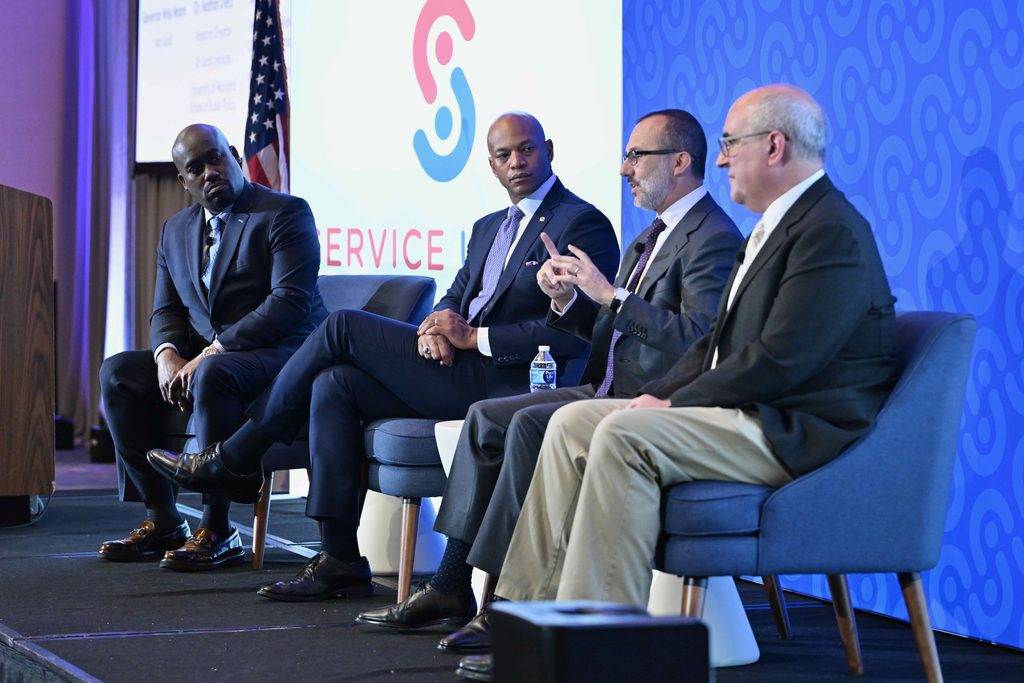
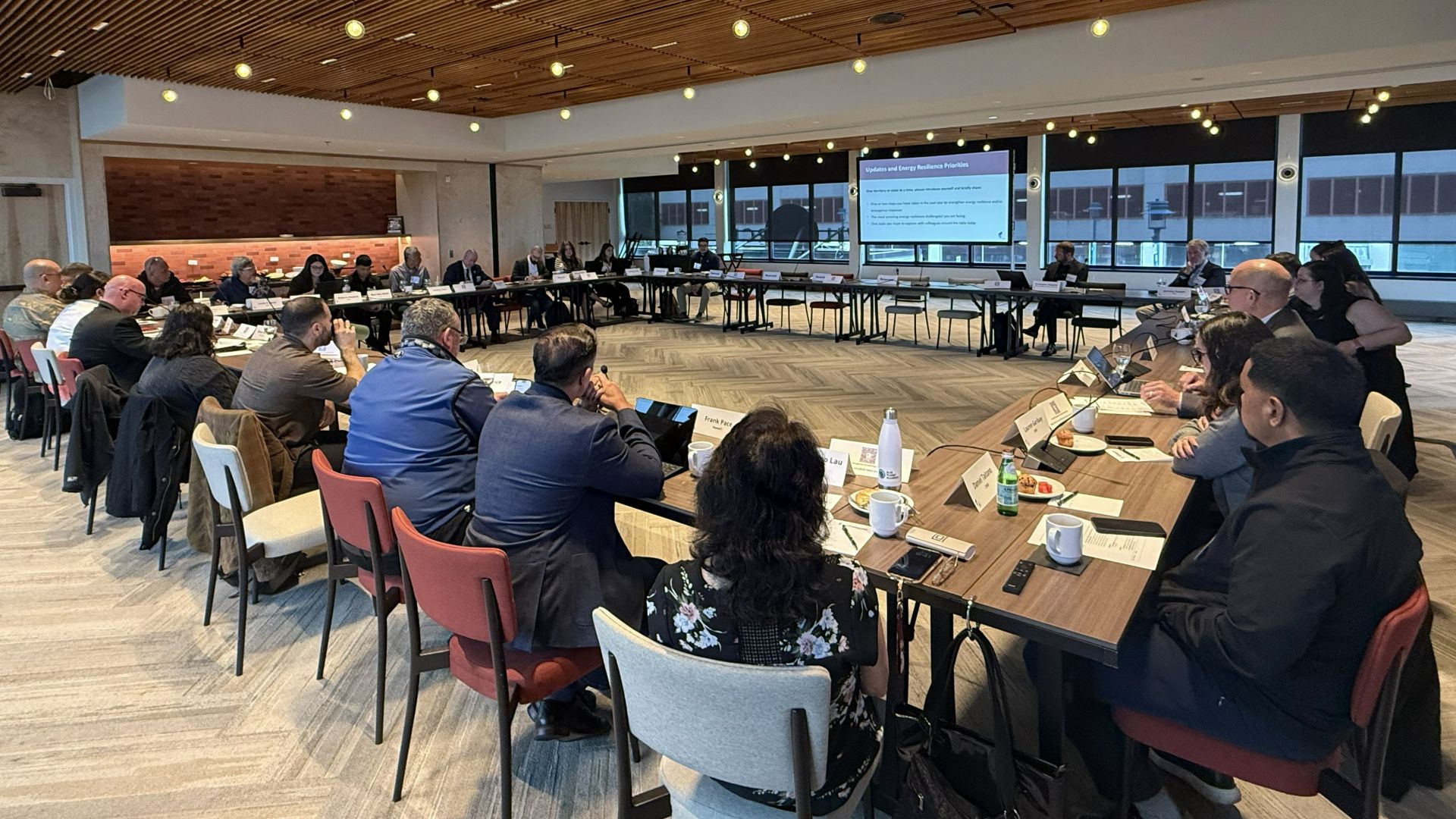
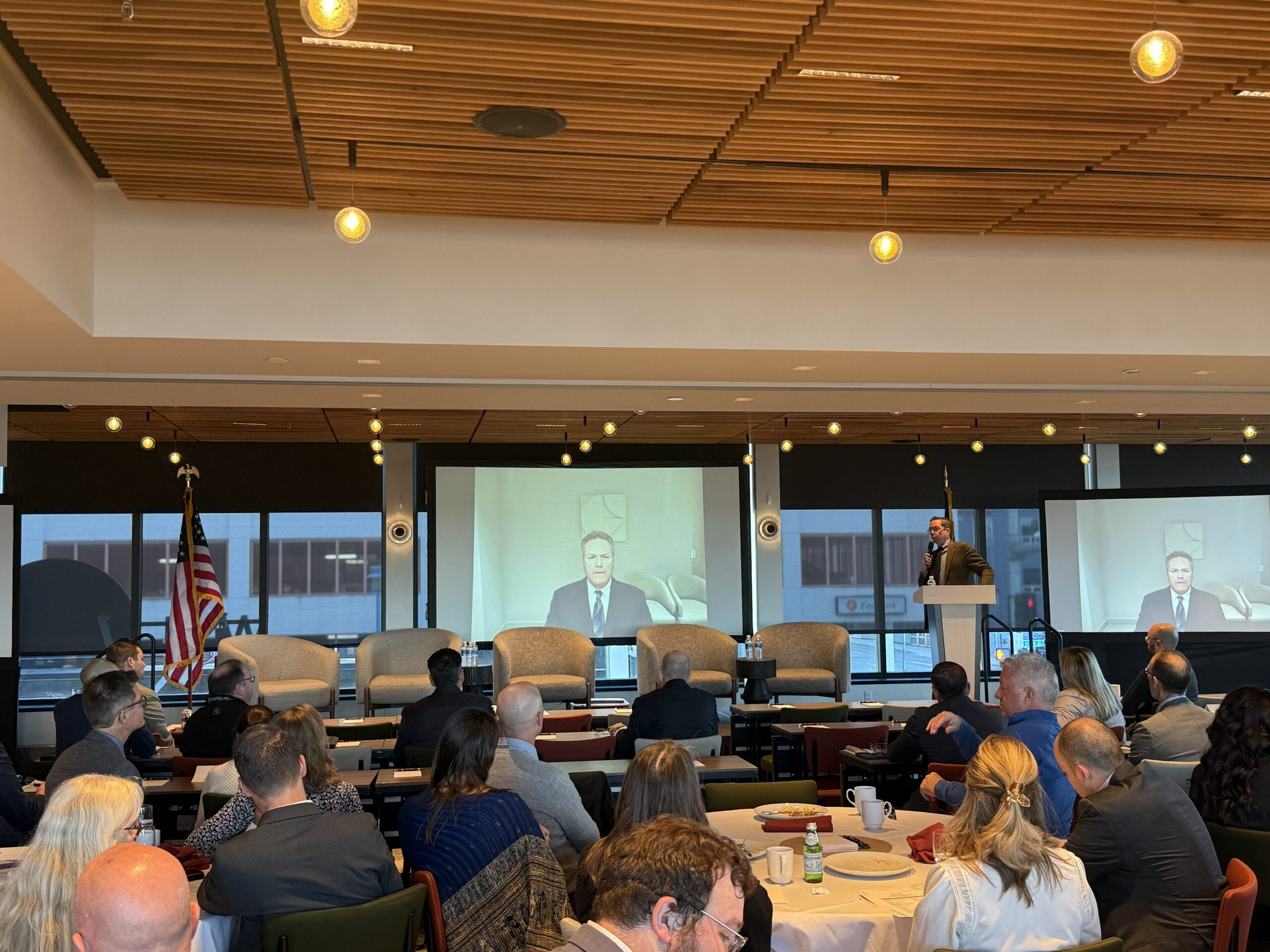
Annapolis – Maryland Gov. Wes Moore, chair of the National Governors Association (NGA), welcomed workforce, service, and philanthropic leaders from 23 states and territories to Annapolis today to explore the power of service as a workforce development and community engagement tool. Today’s event is the latest convening in support of Gov. Moore’s NGA Chair’s Campaign Service United, which he launched in August to drive expansion of service programs in states to create workforce pathways, meet community needs, and encourage civic engagement.
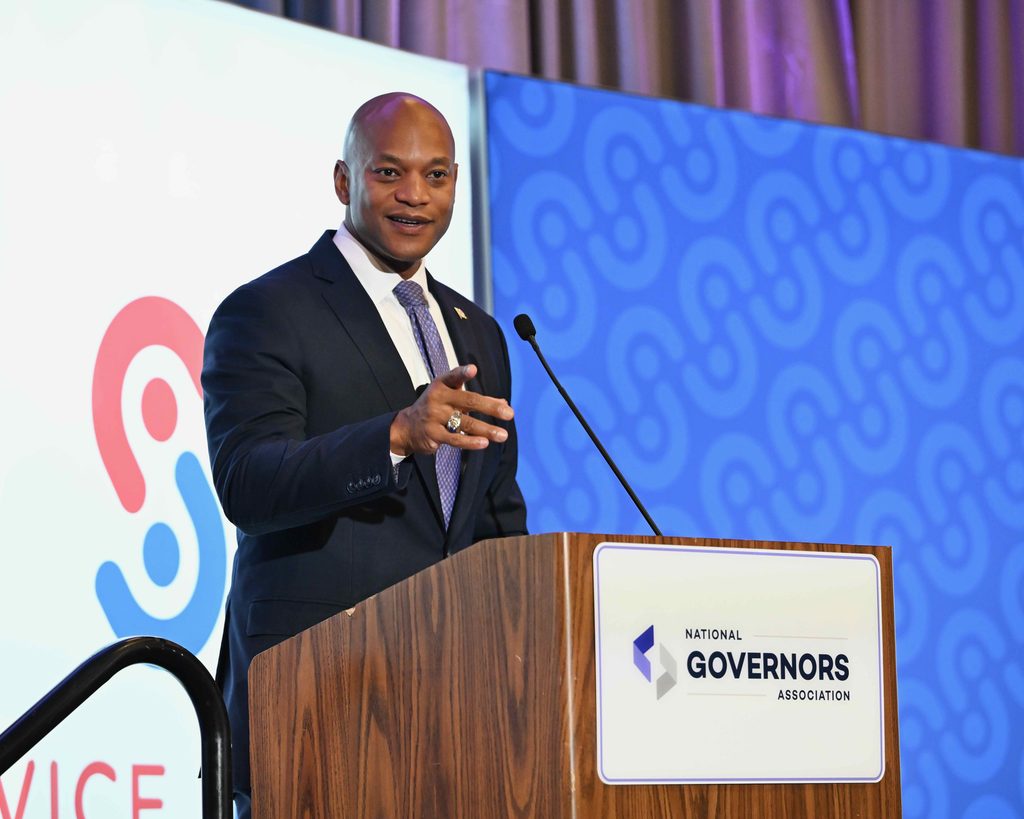
“In Maryland, we believe service will save us. And through Service United, we are spreading that message to other states,” said Gov. Moore. “Since we created the Service Year Option three years ago, more than 1,200 young Marylanders have met their communities’ most urgent needs, while building skills and connections to start careers in critical sectors like education, technology and health. Service makes Maryland stronger, and I am excited that so many of my fellow governors are stepping up to develop programs in their states.”
“With Governor Moore’s leadership, states are learning from Maryland’s success and implementing and expanding their own service programs,” said NGA CEO Brandon Tatum. “Service is an effective solution for so many challenges young people are facing in the job market, including AI’s impact on entry-level jobs. At the same time, service programs help states fill gaps in sectors with critical shortages. Service brings people together while meeting urgent economic and community needs, and NGA is proud to support governors in this important bipartisan work.”
Of the approximately 30 million Americans between the ages 16 and 24, a majority are struggling to find good jobs, and roughly 5 million young Americans are neither in school nor employed. Structural workforce shortages persist in key sectors as the AI workforce transition complicates the landscape. To compound problems, deep civic divides have severely weakened our country’s social structures.
Since its inception in April 2023, the Maryland Corps/Service Year Option program, facilitated by the Department of Service and Civic Innovation, has graduated over 1,200 members hosted by over 300 employment partners across all 24 jurisdictions of Maryland. Gov. Moore recently launched Class 4 of the program, welcoming the largest incoming class yet of young Marylanders into a year of paid, full-time service.
The event featured a deep dive into the Maryland model, including findings from a recent report from the University of Maryland’s Do Good Institute documenting that program graduates realized substantial gains in employment, wages, college enrollment and voter registration compared to a comparison group:
- Members were more likely to be employed six months after completing their service than when they enrolled.
- Among members already employed at enrollment, hourly wages rose 57.5%, compared with 23.0% among the comparison group.
- Members reported increased voter registration rates and a higher projected likelihood of voting in national elections.
Using Maryland’s Service Year Option as a blueprint, Service United will facilitate NGA’s work with participating states to launch and expand service programs. Through the Service United Fund, governors will have access to resources to plan, build or advance service programs through grants of up to $1.5 million. The first round of grantmaking opportunities for states is now open until Oct. 23.
Launched with $10 million in philanthropic support from the Andrew Carnegie Foundation and the Schultz Family Foundation, the Service United Fund continues to realize historic philanthropic support for service programs. Representatives of the Hewlett Foundation and RAISE US affirmed their commitment to supporting governors’ leadership on service as a strategy during a discussion between national partners at the event. The Schultz Family Foundation also announced $1 million for America’s Service Commissions to support technical assistance for states in implementing governors’ service strategies.
“The Youth Mental Health Corps shows what service can be at its best: an innovative, multi-sector approach that enables young people to meet an urgent community need while building a path to a meaningful career,” said Vivek Varma, CEO of the Schultz Family Foundation. “We’ve learned a great deal building and scaling the Corps, including the power of cross-agency collaboration and bringing philanthropy, employers and community partners to the table. Through Service United, this investment will help more states put those lessons to work to address their own workforce and community needs.”
Well-designed state-based service programs create three mutually reinforcing outcomes: they deploy participants to meet real community needs; they build meaningful careers by connecting participants to skills, credentials, and employers; and they forge bonds across differences by bringing diverse groups of participants together.
Service United is a bipartisan call upon governors across the nation to promote paid workforce and community development through state-based service programs.
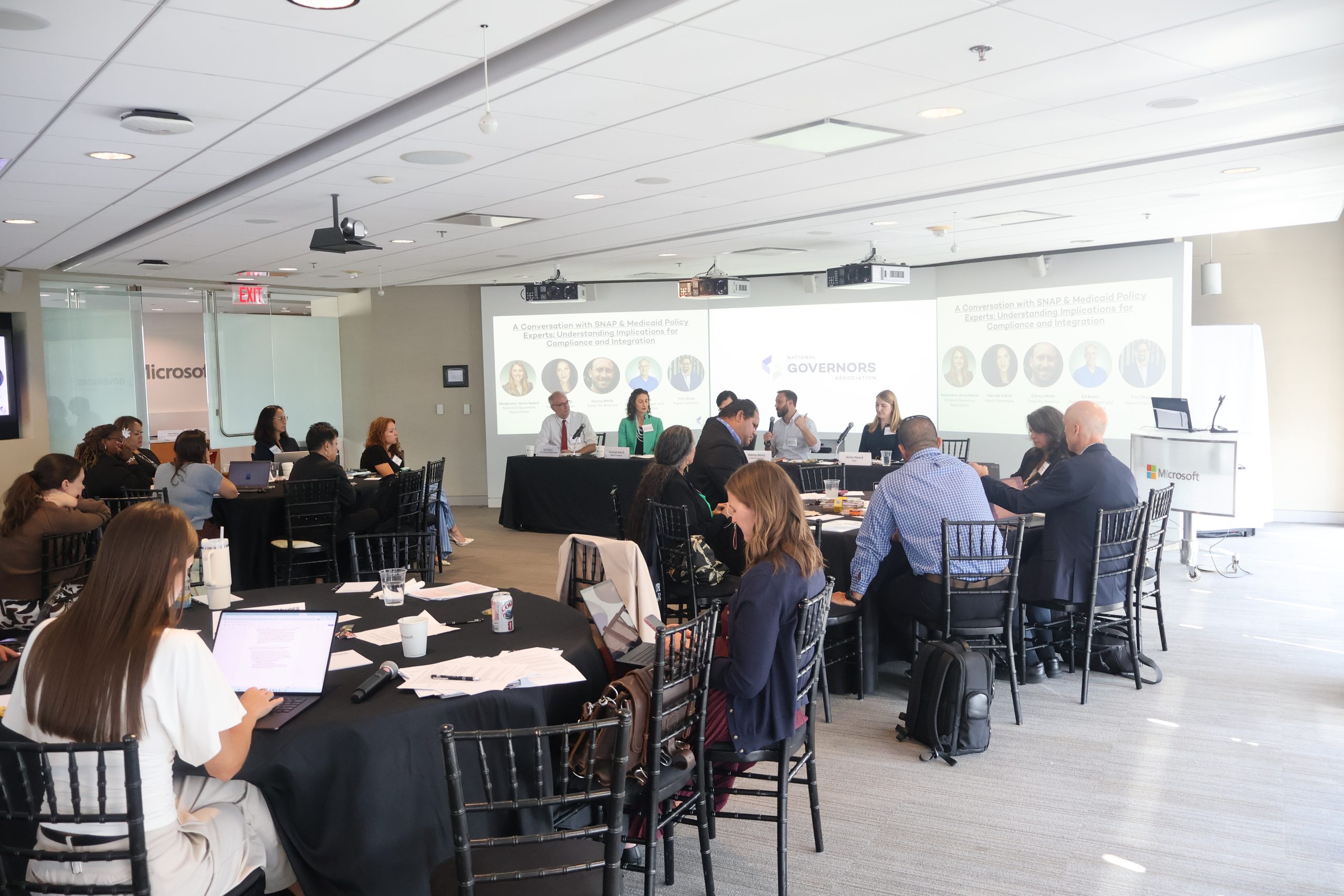
During panel discussions, officials from multiple states and territories shared updates on their progress in creating and expanding their own service programs:
- Indiana and North Carolina: Officials are engaged in early efforts to leverage service as a strategy to address governors’ policy priorities, including affordability and rural prosperity.
- Virginia: In its first year, more than 50 young people served in the Virginia Youth Mental Health Corps, reaching nearly 2,500 community members while gaining credentials aligned to behavioral health career pathways.
Governors across the country have led the way on building service-to-career pathway models that align civilian service and workforce development. Utah Gov. Spencer Cox has championed the One Utah Service Fellowship, which braids state, federal, and private funds to deploy service fellows to meet community needs across the state. Colorado Gov. Jared Polis has incorporated service as a key pillar of his work-based learning strategy, directing Serve Colorado to develop AmeriCorps work-based learning programs or apprenticeships.
Learn more about Service United at nga.org/service-united.
Learn more about the Maryland Service Year Option and other state-based service programs through the following resources:
- Maryland Gov. Wes Moore Launches “Service United” Campaign to Bridge Community Divides and Promote Workforce Development with $10 Million in Philanthropic Support
- NGA: Service-to-Career Pathways Policy Academy
- NGA: Service to Career Pathways Advisory Board
- Service as a Pathway to Economic Opportunity: A Roadmap for Governors
- Maryland Corps and Service Year Option
- Governor Moore Announces $4 Million in Road to Careers Grants, Helping Train Hundreds for Transportation and Construction Careers
- Governor Moore Announces New Workforce Partnership with RAISE US