A National Governors Association (NGA) Center for Best Practices initiative, supported by Ascendium Education Group
Quick Facts
- Program: 2027 Bridging Pathways Policy Academy
- Host: NGA Center for Best Practices, with support from Ascendium Education Group
- Focus: Strengthening alignment between higher education and corrections systems to build career-connected postsecondary pathways for incarcerated learners
- Cohort size: 4–6 states and/or territories
- Duration: Year-long (kickoff December 2026 – summative convening November 2027)
- Eligibility: Any state or territory in good standing with NGA
- Application opens: September 22, 2026 (RFA)
- Informational webinar: October 8, 2026, 4:00 p.m. ET
- Application deadline: 5:00 p.m. ET, Friday, October 23, 2026
- Selection announced: Friday, November 6, 2026
- Virtual kickoff: Thursday, December 3, 2026
- Submit to: Maria Kearl, mkearl@nga.org (single combined PDF, submitted by the governor’s office)
What This Program Does
The Bridging Pathways Policy Academy helps governors and state/territory leaders close a persistent gap: higher education and corrections systems often operate under different mandates, governance structures, funding models, and data systems, which makes it hard to sustain and scale postsecondary education programs (PEPs) in correctional settings, even where individual programs are strong.
Over one year, the NGA Center works with each selected team to:
- Assess current cross-system alignment
- Identify policy and administrative barriers
- Build a state-specific action plan
- Implement strategies with hands-on technical assistance
- Learn alongside peer states facing similar challenges
Governors are uniquely positioned to convene corrections and higher education leadership and put in place the structures needed to sustain this work across administrations.
Focus Areas Teams May Address
Teams are not required to work on all of these, they choose the priorities most relevant to their state:
- Cross-agency governance: formal structures for sustained collaboration and shared accountability among agency leaders, local officials, employers, and people with lived experience of incarceration
- Reentry pathways: statewide postsecondary pathways after release, supporting continued education, credentials, and employment
- Data infrastructure: shared definitions, data-sharing agreements, and outcome tracking across agencies
- Funding strategy: coordinated use of Pell Grant resources, federal funding, legislative appropriations, and agency investments
- Technology and security balance: expanding educational access within correctional environments
- Policy and administrative barriers: removing obstacles that prevent justice-involved students from accessing and completing postsecondary education
How to Apply
Applications are submitted by the governor’s office as a single combined PDF, emailed to Maria Kearl (mkearl@nga.org) by 5:00 p.m. ET on October 23, 2026. Applicants receive a confirmation email upon receipt. Please see the RFA for details and contact Maria for more information and to attend the virtual information webinar.
Program Contacts
- Portia Pratt | Policy Director, Higher Education | ppratt@nga.org | (202) 603-1478
- Maria Kearl | Senior Policy Analyst | mkearl@nga.org | Phone: (202) 624-5314
Background: The 2026 Bridging Pathways Institute
This Policy Academy builds directly on the 2026 “Bridging Pathways” Institute, held August 10–11, 2026, in Philadelphia, Pennsylvania, and hosted by the NGA Center for Best Practices in partnership with Ascendium Education Group.
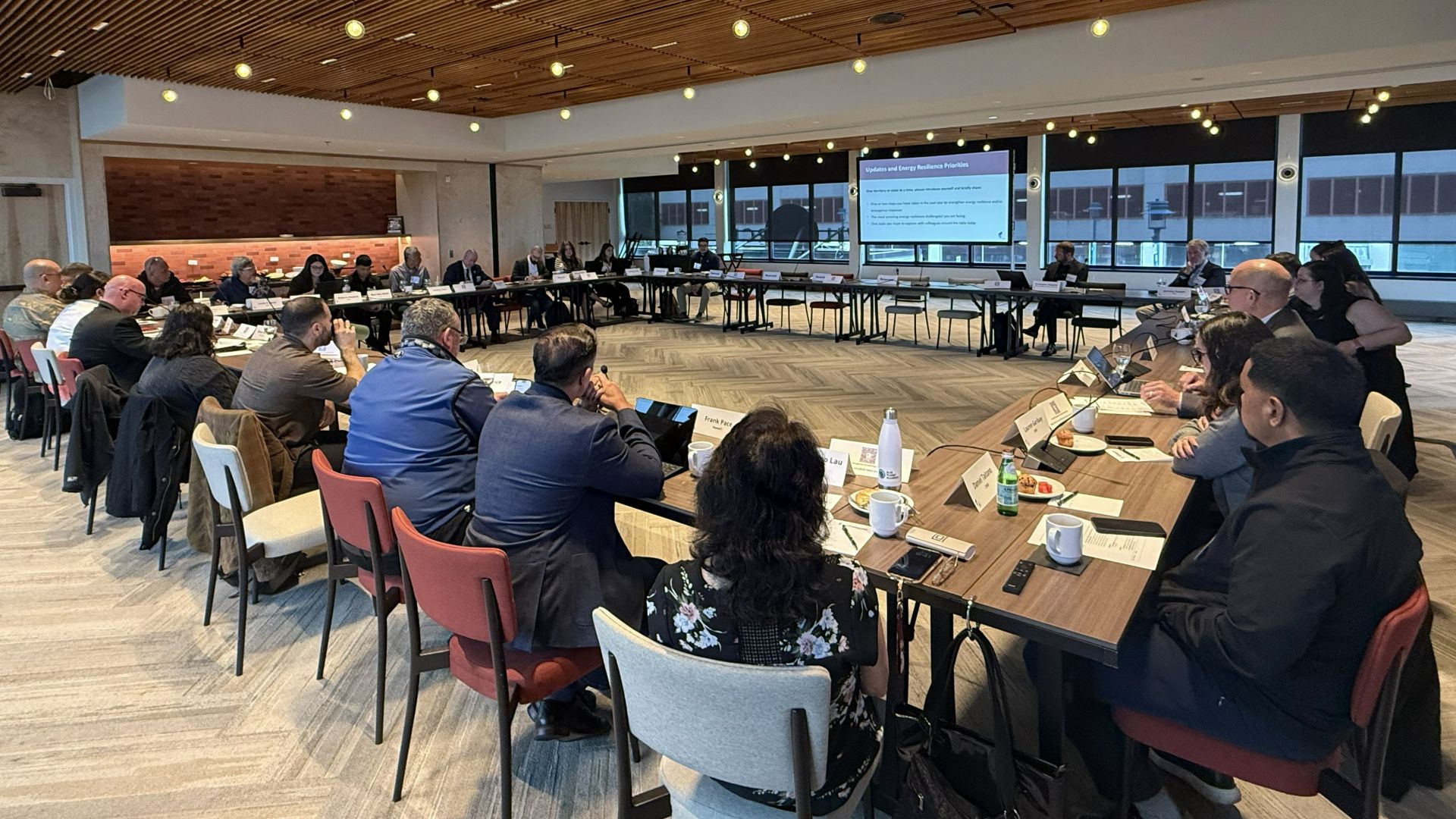
The Institute brought together over 50 attendees from 18 states and territories—including governors’ criminal justice policy advisors (CJPAs), governors’ education policy advisors (GEPAs), agency leadership, individuals with lived experience, and subject matter experts—to examine postsecondary education programs (PEPs) in correctional facilities and the dynamics between state departments of corrections (DOCs) and higher education institutions.
Program highlights included:
- A preconference workshop with the Urban Institute on coordinated, bipartisan approaches to employment preparation for incarcerated individuals
- An opening plenary on PEP research and state initiatives
- Panel sessions featuring formerly incarcerated students and higher education/corrections leadership
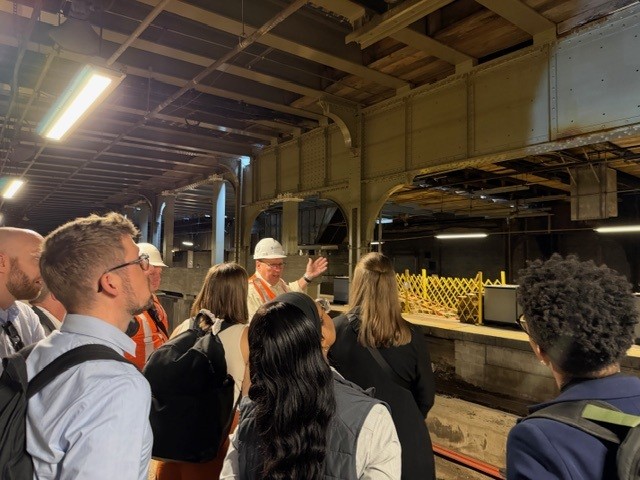
- A site visit to SCI-Chester Correctional Facility near Philadelphia, where participants toured the facility and heard from students and staff in its associate’s degree program (offered through Eastern University)
Key takeaways from the Institute:
- Community and stakeholder buy-in matters. The benefits of PEPs extend to students’ families, correctional staff, and local communities, and strong data and messaging help sustain stakeholder commitment.
- Leadership involvement drives progress. Governors and senior corrections/higher education leaders can elevate PEPs through convenings, spotlighting existing programs, and executive, legislative, or regulatory action.
- Small first steps matter. A single class or cohort can prove concept, demonstrate efficacy, and build the case for more expansive programming.
- The Institute directly informed the design of the Bridging Pathways Policy Academy, which carries these themes forward into sustained, governor-led systems change.
For more on the 2026 Institute, contact Portia Pratt (ppratt@nga.org) or Ken Hardy (khardy@nga.org).
Frequently Asked Questions
Do we need a mature postsecondary-in-corrections program to apply?
No. Applicants are not expected to have established cross-agency infrastructure or mature programs. Selection focuses on commitment and capacity to engage, not the maturity of existing infrastructure.
Do we have to address every focus area listed?
No. Teams choose the priorities most relevant to their state and are not required to pursue identical strategies.
Who can apply?
Any state or territory in good standing with NGA.
Who must submit the application?
The governor’s office.
What format should the application be in?
A single combined PDF, emailed to mkearl@nga.org.
Is there an in-person component?
Yes, an optional in-state site visit (March–June 2027) at the team’s invitation, and a required in-person summative convening in November 2027.