Education has been top of mind for Governors across the country as they have delivered their 2026 State of the State addresses. Across party lines and geographic regions, Governors have highlighted schools as central to their broader visions for economic growth, workforce development, and community well-being. Many have used the moment to elevate recent milestones in their states’ education systems, while others have outlined new strategies to help students succeed.
At least 45 Governors have given their 2026 State of the State addresses as of mid-March. Together, these speeches offer a snapshot of the education priorities shaping state and territory policy agendas for the year ahead.
For the past seven years, the National Governors Association (NGA) and the Education Commission of the States (ECS) have partnered to publish a report on the education issues raised in Governors’ addresses. Across this year’s remarks, we have identified five major policy trends that are driving Governors’ work: Academic Supports and Achievement, K-12 Funding, Workforce Development and Career and Technical Education, Early Care and Education, and the Teacher Workforce.
This commentary explores how Governors have approached these areas through their State of the State addresses and the efforts they are leading in their state.
Academic Supports and Achievement
At least 35 Governors discussed student achievement and ways to boost outcomes for learners, focusing especially on literacy, math, attendance, and graduation rates.
- Alabama Governor Kay Ivey celebrated the state’s rise in National Assessment of Educational Progress (NAEP) scores during her time in office, as well as the success of her Turnaround Schools initiative, which has helped participating schools improve at twice the statewide rate.
- Governor Mike Dunleavy of Alaska spotlighted the state’s literacy efforts, noting that in just two years, the READS Act has fueled a significant increase in the share of kindergarteners and third graders reading at benchmark levels.
- Delaware Governor Matt Meyer also focused on reading, lauding the state’s use of literacy screeners in all elementary schools and a new $8.7 million grant to support evidence-based literacy instruction in grades four through eight.
- In Iowa, Governor Kim Reynolds elevated the state’s efforts to apply evidence-based principles to reading and math instruction and applauded notable gains in reading proficiency, science proficiency, and attendance statewide.
- Governor Laura Kelly of Kansas shared that the state’s graduation rates have reached an all-time high and recognized the Blueprint for Literacy, an initiative aimed at ensuring all Kansas children read at or above grade level.
- Michigan Governor Gretchen Whitmer made literacy a central focus of her address, detailing several strategies designed to help young readers thrive—from passing Science of Reading legislation and investing in literacy coaching to expanding tutoring opportunities and convening a Michigan Literacy Summit in 2025.
- Governor Michelle Lujan Grisham of New Mexico similarly emphasized literacy, highlighting a six-week summer tutoring program that has served 17,000 students and helped spur an 8 percent jump in literacy proficiency.
- In New York, Governor Kathy Hochul discussed efforts to ensure schools are using effective methods of literacy and math instruction, positioning these competencies as essential for a thriving workforce.
- Rhode Island Governor Dan McKee announced that thanks to his Attendance Matters initiative, chronic absenteeism declined in the state for the third year in a row, adding 3.7 million hours of student learning.
- In Tennessee, Governor Bill Lee praised the state’s K-3 literacy strategy and its national reading and math scores, which ranked among the top five for growth since 2022.
- Governor Spencer Cox of Utah framed a literate population as necessary for the success of a self-governed society and called for strong literacy standards, as well as individualized support for struggling readers.
- Governor Mark Gordon of Wyoming spoke about the Reimagining and Innovating the Delivery of Education (RIDE) initiative and how it has led to “improved student engagement and deeper academic understanding.”
Finally, some Governors who have yet to give their 2026 State of the State address have embraced this trend in their agendas. This includes Arkansas Governor Sarah Huckabee Sanders, who has prioritized early literacy and evidence-based reading instruction through the LEARNS Act, and Oregon Governor Tina Kotek, who has championed new statewide metrics for attendance, math and reading proficiency, and high school graduation over the past year.
Governor Matt Meyer
DelawareK-12 Funding
At least 32 Governors addressed funding for K-12 education, whether recognizing new investments or calling for changes to the state’s funding formula.
- In Connecticut, Governor Ned Lamont announced an Executive Order establishing the Blue Ribbon Commission on K-12 Education, tasked with updating the state’s funding strategy, optimizing special education funding, and promoting efficient spending.
- Governor Janet Mills of Maine said that she will include $46 million in her supplemental budget to fulfill the state’s commitment to pay 55 percent of the cost of education.
- Missouri Governor Mike Kehoe celebrated the previous legislative session’s record investment in K-12 education and referenced the ongoing work of the School Funding Modernization Task Force, which is expected to recommend improvements to the state’s funding model in December 2026.
- Governor Jim Pillen of Nebraska pledged to “continue to make worthy investments in Nebraska’s elementary and secondary students, teachers, and schools—ensuring classroom environments that are ripe for learning.”
- NGA Chair and Oklahoma Governor Kevin Stitt noted that the state has invested more in public education during his time in office than in the 25 previous years combined.
- Vermont Governor Phil Scott devoted significant attention to K-12 funding in his remarks, spotlighting Act 73—a new law that consolidates school districts, modernizes the state’s funding formula, and introduces a more uniform statewide property tax framework with the goal of putting Vermont’s education system on more sustainable footing.
- Governor Bob Ferguson of Washington called for a new Millionaires’ Tax, proposing that a portion of the revenue be used to expand students’ access to a world-class education.
- Wisconsin Governor Tony Evers shared that under his administration, the state has secured an additional $2.3 billion for K-12 schools and the largest increase to the special education reimbursement rate in state history.
Though she has not delivered a State of the State address this year, Governor Jenniffer González-Colón of Puerto Rico has also taken action on K-12 funding, working with the U.S. Department of Education to phase out federal oversight of education spending after strengthening the territory’s financial management systems—a change that will free up new funds for schools and student services.
Governor Mike Kehoe
MissouriWorkforce Development and Career and Technical Education
At least 31 Governors spoke about programs designed to prepare students for the workforce and postsecondary education, including Career and Technical Education (CTE) courses, dual and concurrent enrollment, and apprenticeships.
- Arizona Governor Katie Hobbs pointed to the state’s success in connecting thousands of Arizonans to apprenticeship opportunities.
- Governor Brian Kemp of Georgia noted that while in office, the state has invested more in education and workforce training programs than ever before and proposed additional funding for programs to develop the state’s healthcare workforce.
- In Guam, Governor Lou Leon Guerrero highlighted collaborative efforts between the Department of Labor and Guam Community College to strengthen pipelines and training programs for hospitality workers.
- Idaho Governor Brad Little showcased Idaho LAUNCH—a grant program for high school seniors supporting postsecondary education and workforce training costs—and its role in developing successful new mechanics, healthcare workers, and teachers.
- Governor Jeff Landry of Louisiana called for additional support for the Promise Program, a scholarship fund that expands access to community and technical colleges training students for in-demand, high-paying jobs.
- In Massachusetts, Governor Maura Healey elevated the commonwealth’s dual enrollment opportunities and set a goal of reaching 100,000 Early College and 100,000 apprenticeship participants over the next 10 years.
- Pennsylvania Governor Josh Shapiro applauded a 50 percent increase in funding for vocational-technical programs, CTE, and apprenticeships under his administration and proposed an additional $18 million investment in CTE this year.
- Governor Abigail Spanberger of Virginia pledged to “invest in the apprenticeships and job training of the future” as part of her inaugural address.
- In West Virginia, Governor Patrick Morrisey stressed the need to fund technical schools to meet the state workforce demand for construction workers, electricians, and plumbers.
Governors Greg Gianforte of Montana and David M. Apatang of the Northern Mariana Islands, who have yet to give their 2026 State of the State addresses, have also shown leadership in this area. Governor Gianforte signed an executive order launching the 406 JOBS initiative, a statewide framework to coordinate workforce development efforts that emphasizes apprenticeships and career readiness for high schoolers, and Governor Apatang recently celebrated the opening of the new Career & Technical Education Center at Marianas High School.
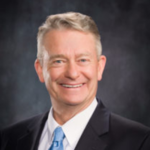
Governor Brad Little
IdahoEarly Care and Education
At least 26 Governors discussed childcare and educational opportunities for their state’s youngest learners.
- California Governor Gavin Newsom announced that his proposed budget will fully fund the state’s Transitional Kindergarten (TK) program and reduce TK class sizes.
- Governor Jared Polis of Colorado celebrated the state’s adoption of free preschool and full-day kindergarten, noting a 25 percent increase in kindergarten enrollment and a rise from 27th to third nationally in preschool enrollment.
- In Kentucky, Governor Andy Beshear called for the commonwealth to fund Pre-K for All, citing projections that this program could expand the workforce by up to 70,000 people and deliver a tenfold economic return on investment.
- Governor Kelly Ayotte of New Hampshire applauded the previous year’s budget for fully funding childcare scholarships and shared that the state has reduced administrative burdens for families accessing this support.
- New Jersey Governor Mikie Sherrill recognized the rising costs of childcare and promised to “take care of our kids” in her inaugural address.
- Governor Mike DeWine of Ohio highlighted the state’s participation in Dolly Parton’s Imagination Library, a program that sends children from birth through age five a free book each month—noting that participants excel in print awareness, vocabulary, and phonological development.
- In South Carolina, Governor Henry McMaster lauded the statewide expansion of the full-day four-year-old kindergarten (4K) program and affirmed that low-income children enrolled in this program are better prepared to succeed in kindergarten.
- U.S. Virgin Islands Governor Albert Bryan, Jr. stressed the importance of Head Start in the territory, sharing plans to open four additional Head Start learning centers this year.
Other Governors, including Governors Tate Reeves of Mississippi and Kelly Armstrong of North Dakota, have also prioritized young learners in their work. Governor Reeves called for a $1 million investment in childcare access as a part of the state’s economic development efforts, and Governor Armstrong signed a new law creating a tax credit for businesses that help cover employees’ childcare costs.

Governor Jared Polis
ColoradoTeacher Workforce
At least 25 Governors addressed the educator workforce, including teacher recruitment, retention, and compensation.
- In American Samoa, Governor Pula’ali’i Nikolao Pula commended the territory’s 700 teachers.
- Florida Governor Ron DeSantis noted that the state’s average minimum teacher salary is the highest in the region, adding that over the course of his administration, more than $6 billion has been put toward efforts to improve educator compensation.
- Governor Josh Green of Hawaii pledged to expand the use of state lands to provide additional housing for teachers, helping these educators secure affordable residences near their schools.
- Illinois Governor J.B. Pritzker announced that the Teacher Vacancy Grant Pilot Program, which has invested $120 million toward addressing chronic educator shortages statewide, was renewed for a fourth year.
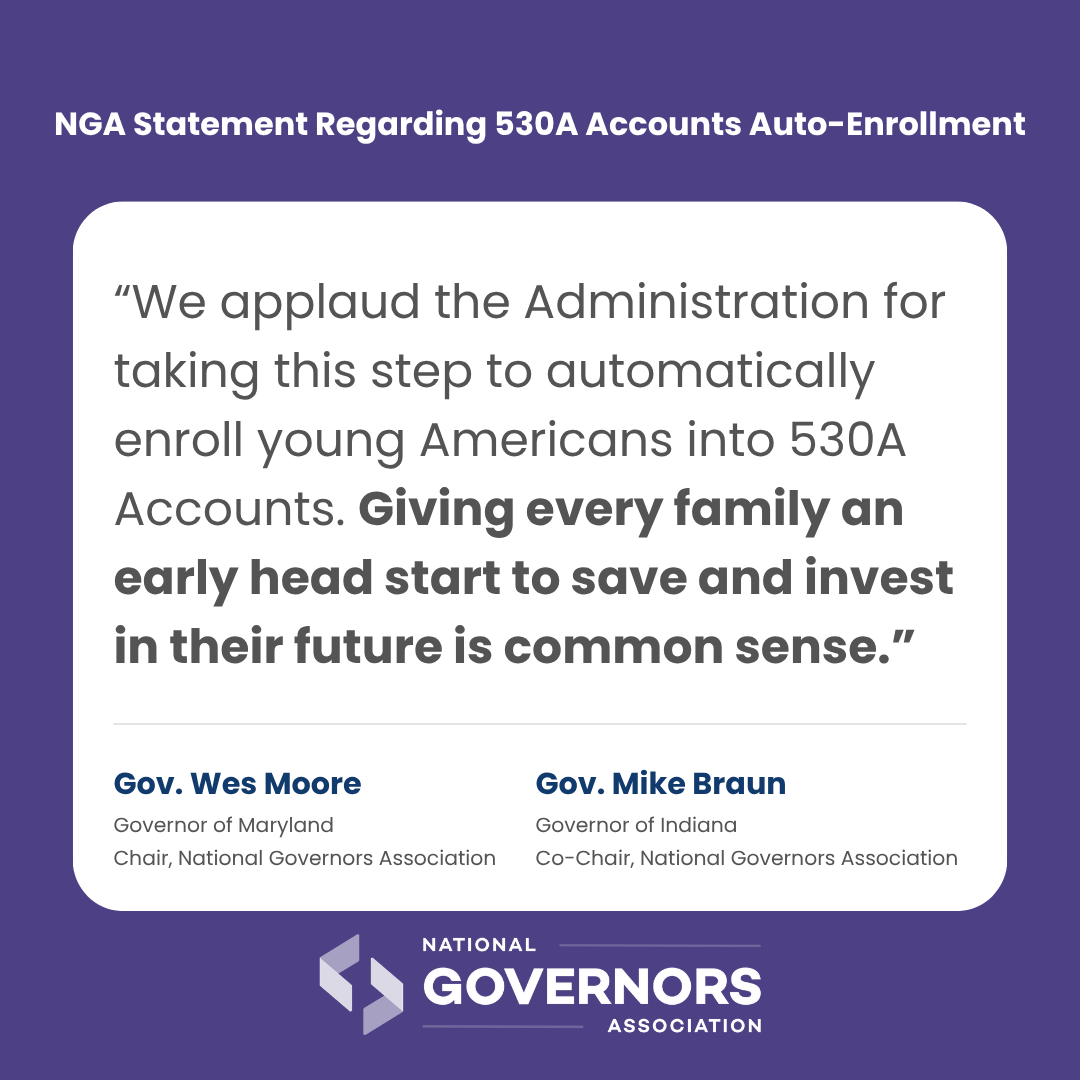
- In Indiana, Governor Braun highlighted a $5,000 increase in teacher salaries aimed at attracting top-tier candidates.
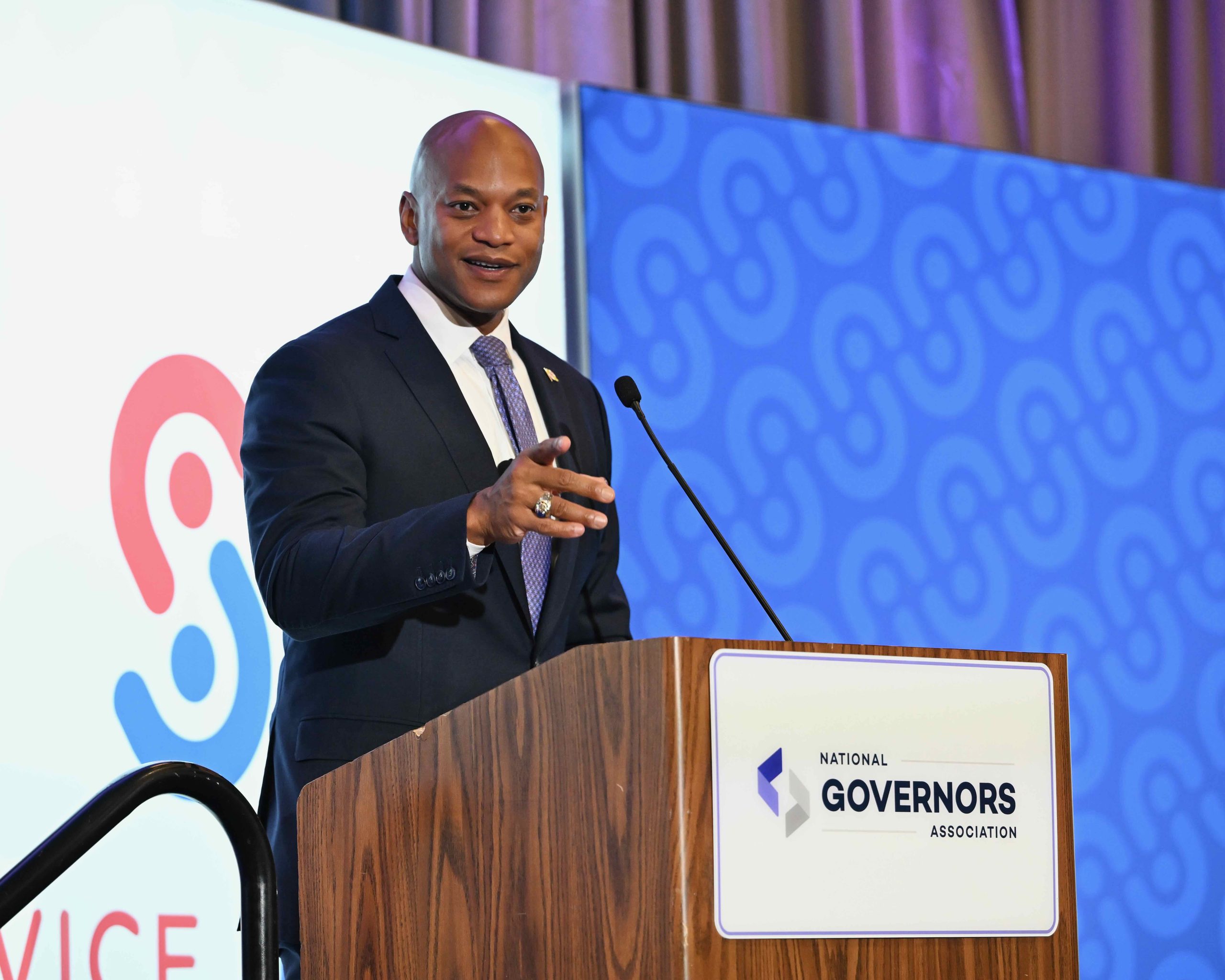
- NGA Vice Chair Maryland Governor Wes Moore placed a strong emphasis on teachers in his remarks, sharing that the state has cut its teacher vacancy rate in half in just three years and previewing a new Academic Excellence Program that will provide educators across the state with high-quality academic coaching.
- In North Carolina, Governor Josh Stein stressed the necessity of teacher pay raises while introducing his Critical Needs Budget.
- Governor Larry Rhoden of South Dakota celebrated the integration of Science of Reading-based instruction into educator preparation programs and professional development and framed the state’s Teacher Apprenticeship Pathway as a key strategy to combat teacher shortages.
Also fueling this trend—though their 2026 State of the State addresses have yet to be scheduled—are Governors Tim Walz of Minnesota, Joe Lombardo of Nevada, and Greg Abbott of Texas. Governor Walz signed new legislation boosting pensions for teachers so they “can retire with economic security,” Governor Lombardo has been a vocal advocate for increased compensation for charter school teachers, and Governor Abbott approved a historic $4 billion for teacher pay raises and expansion of the Teacher Incentive Allotment, the state’s merit-based pay program.
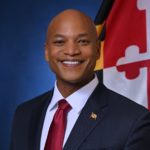
Governor Wes Moore
MarylandAs budget architects, policy drivers, and influential leaders, Governors play a key role in shaping the future of education in their states and territories. Analyzing their annual remarks offers us a look into where we can expect change and innovation over the coming years and how states are positioning themselves to meet the needs of today’s students.