

NGA Library
Our nation’s Governors are dedicated to leading bipartisan solutions that improve citizens’ lives. Through NGA, Governors identify priority issues and deal with matters of public policy and governance at the state, national and global levels. NGA teams work side-by-side with state leaders to identify challenges and develop solutions. View NGA products below, filterable by content type and topic.
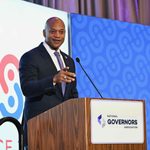
Gov. Moore Welcomes 23 States to Annapolis to Explore Employment Impacts of Service Programs
Support grows among governors and philanthropies for Gov. Moore’s NGA campaign to bring service programs to states across the nation ...

NGA Convenes Infrastructure Leaders to Explore Innovative Delivery Approaches, Public-Private Partnerships
Infrastructure Coordinators Workshop brings together infrastructure leaders from 20 states and territories New York City – The National Governors Association ...

NGA Brings New England Governors’ Teams Together for Regional Nuclear Policy Summit
LOWELL, Mass. – The National Governors Association (NGA) today convened energy officials from Connecticut, Maine, Massachusetts, New Hampshire, Rhode Island ...

NGA Convenes Governors’ Energy Advisors for 2026 Energy Policy Institute and Energy Summit in Anchorage
State and federal energy officials and industry leaders gather in Alaska to address affordability, resource adequacy and energy security amid ...

Governors Spencer Cox and Wes Moore Named Honorary Co-Chairs Of 25th Anniversary Of 9/11 National Day Of Service
Bipartisan Governors Join 9/11 Day's "UNIITE For Good" Campaign, Calling on Americans and Elected Leaders Across the Nation to Honor ...
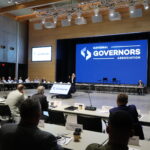
NGA Convenes Governors’ Cybersecurity Advisors Annual Institute to Shape Cyber Defense and Promote Cyber Workforce Development in States
ARLINGTON, Va. – The National Governors Association (NGA) this week hosted its 2026 Governors’ Cybersecurity Advisors Annual Institute. Governors' advisors ...

Gov. Lee, NGA Spotlight Workforce Development Solutions and Investments
Nashville event hosts employers and workforce development leaders from across the nation to focus on job training and AI solutions ...

Highlights from the 2026 NGA Summer Meeting
OKLAHOMA CITY – Newly elected NGA Chair Maryland Gov. Wes Moore and outgoing NGA Chair Oklahoma Gov. Kevin Stitt closed ...
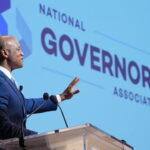
Governor Moore Delivers Remarks at the 2026 NGA Summer Meeting to Launch Service United Campaign
OKLAHOMA CITY – Newly elected National Governors Association (NGA) Chair Maryland Gov. Wes Moore Governor today delivered remarks at the ...

NGA Announces New Executive Committee, Commemorates the Power of Service to Close Summer Meeting
Gov. Wes Moore becomes NGA Chair as Govs. Kelly, Walz, Stitt and Gordon reflect on public service OKLAHOMA CITY – ...

Maryland Gov. Wes Moore Launches “Service United” Campaign to Bridge Community Divides and Promote Workforce Development with $10 Million in Philanthropic Support
OKLAHOMA CITY – Maryland Gov. Wes Moore, who later today will be elected chair of the National Governors Association (NGA), ...

DHS Secretary Mullin Joins Governors and NGA to Advance State-Federal Homeland Security Coordination
OKLAHOMA CITY – Department of Homeland Security (DHS) Secretary Markwayne Mullin attended the National Governors Association (NGA) Summer Meeting in ...
