Governors continue to develop creative workforce solutions and support economic mobility amid significant federal changes to SNAP
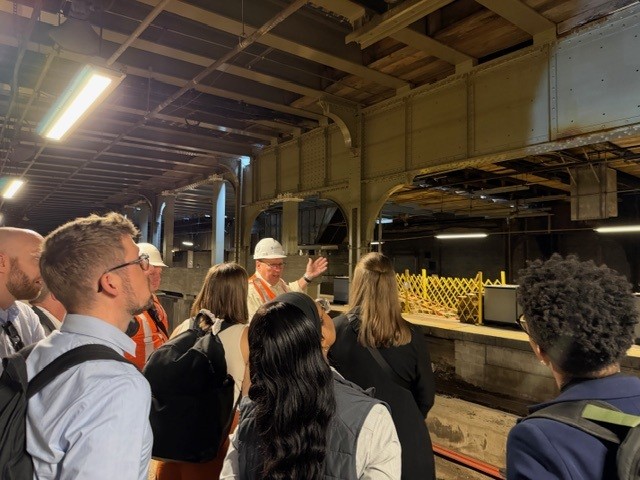
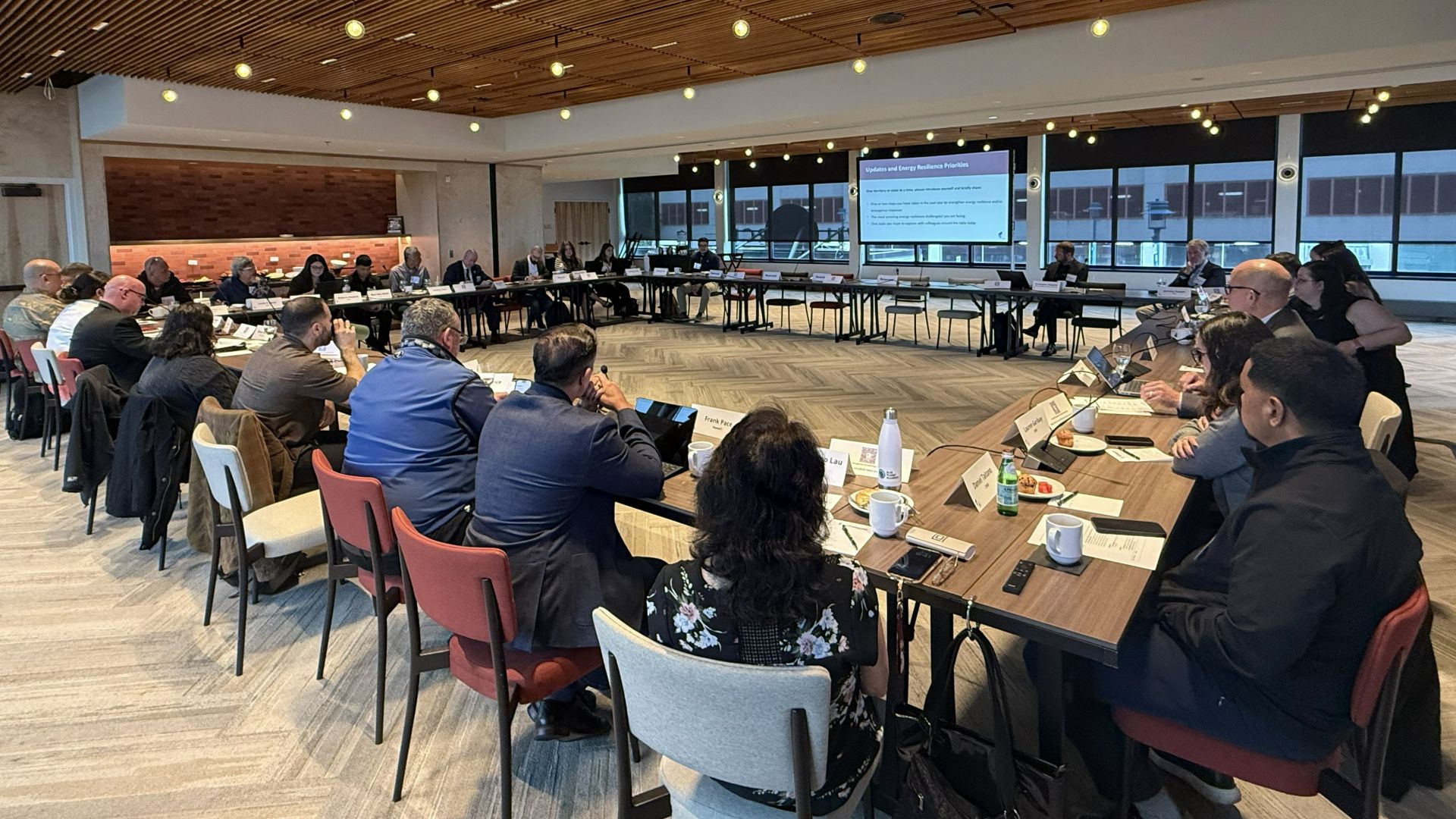
Washington, D.C. – The National Governors Association (NGA) Center for Best Practices recently hosted its final SNAP Employment and Training Policy Academy, following more than two years of work with states to strengthen SNAP Employment and Training (E&T) programs. Participants convened to exchange peer-to-peer insights on state action plans, explore strategies to strengthen cross-agency and provider partnerships, and develop plans to remove barriers to E&T service delivery.
In January, NGA joined several organizations in a congressional briefing and letter to congressional leadership calling for action to address SNAP funding policies and support state budget stability. NGA’s work on SNAP and H.R. 1 will continue to move forward in June during the American Public Human Services Association’s National Human Services Summit. The meeting will convene HHS state and local executives, policy advisors, and Washington representatives to continue to share insight, perspective, and concerns about SNAP administration following significant federal changes to the program.
“States are working diligently to implement H.R. 1 and improve delivery of SNAP benefits,” said National Governors Association Center for Best Practices President and Chief Policy Officer Timothy Blute. “Governors are committed to effective, accountable administration of SNAP – investing in program integrity, reducing error rates, and ensuring workforce dollars deliver real results for participants and taxpayers alike. The SNAP E&T Policy Academy is a valuable opportunity for states to share their progress and collaborate on solutions to connect SNAP recipients with life-changing job training.”
H.R. 1, enacted on July 4, 2025, created significant changes to existing SNAP work requirements for able-bodied adults without dependents. The new requirements mean that certain populations, including older adults, parents, veterans, former foster youth, and the homeless may now be required to work or volunteer for at least 80 hours a month to qualify for benefits.
All SNAP programs are required to operate SNAP E&T programs to support economic mobility among SNAP recipients by connecting them with coordinated, high-quality services to help build job skills and secure lasting employment. SNAP E&T programs provide workforce development support, including job search and job training, as well as critical wraparound services like childcare.
“SNAP Employment and Training programs have the potential to support people through every step of the path to employment, including the wraparound services that make participation possible in the first place,” said Third Sector Chief Executive Officer and Co-Founder Caroline Whistler. “The Policy Academy showed what’s achievable when states build the cross-agency coordination and peer learning to make these programs deliver measurable results. That’s the kind of systems change Third Sector is here to support.”
“SNAP Employment and Training is a critical support offered to people on SNAP benefits,” said Seattle Jobs Initiative Managing Senior Consultant Kathi Medcalf, and Senior Consultant Andrew Schramm. “Bringing states together to learn from each and to find ways to collaborate within their own state structure is crucial. Seattle Jobs Initiative is proud to have been a part of this project to move SNAP E&T forward.”
NGA launched its Policy Academy to Strengthen SNAP E&T Delivery in 2024 in partnership with Third Sector Partners, supporting select states as they worked to enact policy and programmatic changes to strengthen SNAP E&T. To implement H.R. 1 effectively, NGA launched a second cohort in July 2025, providing custom technical assistance and peer-to-peer engagement.
“We are honored to host such an educated group of leaders from across the country, leaders who understand that food security and economic opportunity are two sides of the same coin,” said Maryland Department of Human Services Family Investment Administration Executive Director Augustin Ntabaganyimana. “SNAP does more than put food on the table. It can serve as a powerful pathway to self-sufficiency, and a connection to the workforce.”
The policy academy will conclude its work in September.
For more information about the Center for Best Practices and NGA’s work with governors to implement H.R. 1, visit NGA Center’s Children and Families program page.