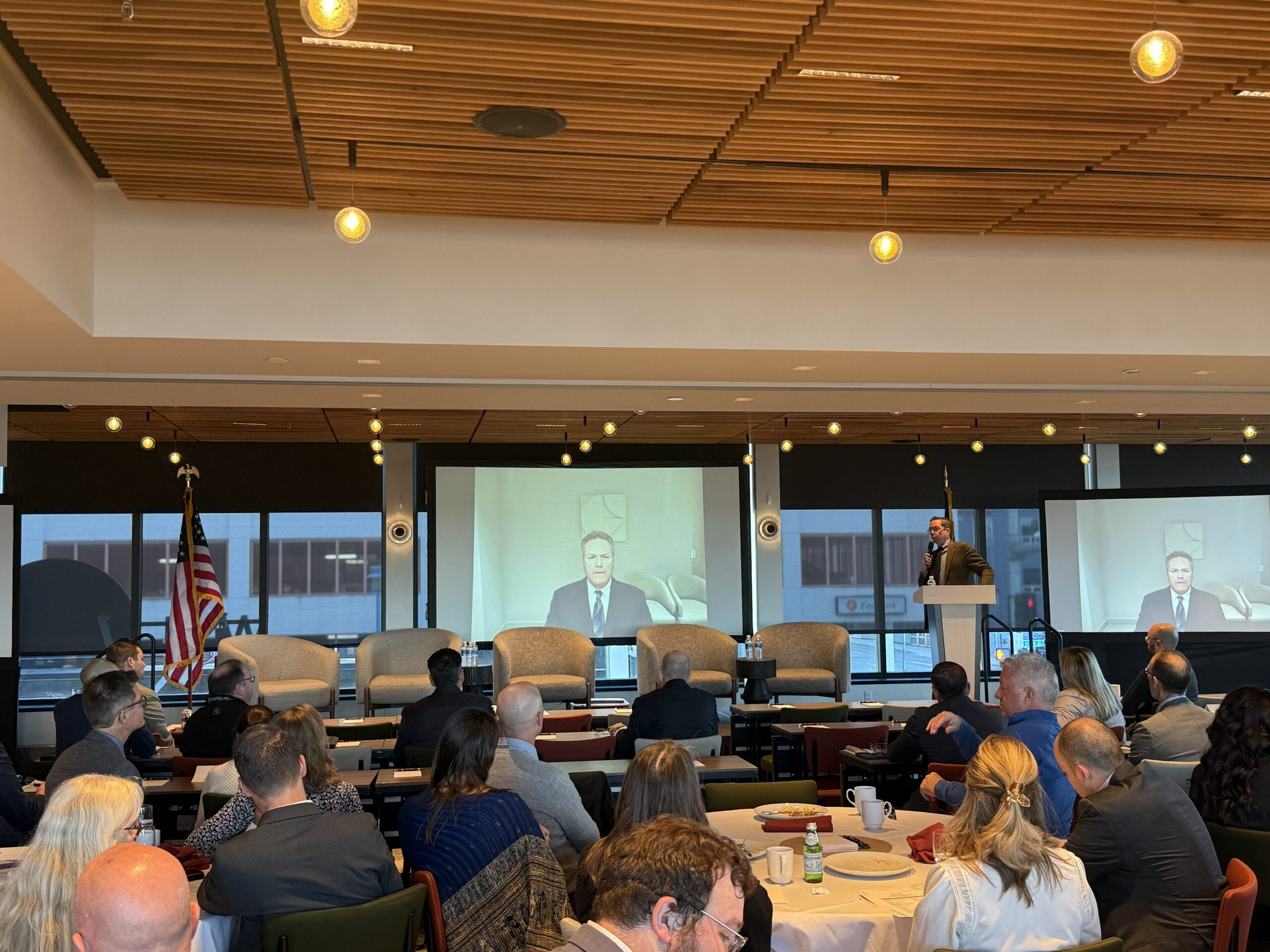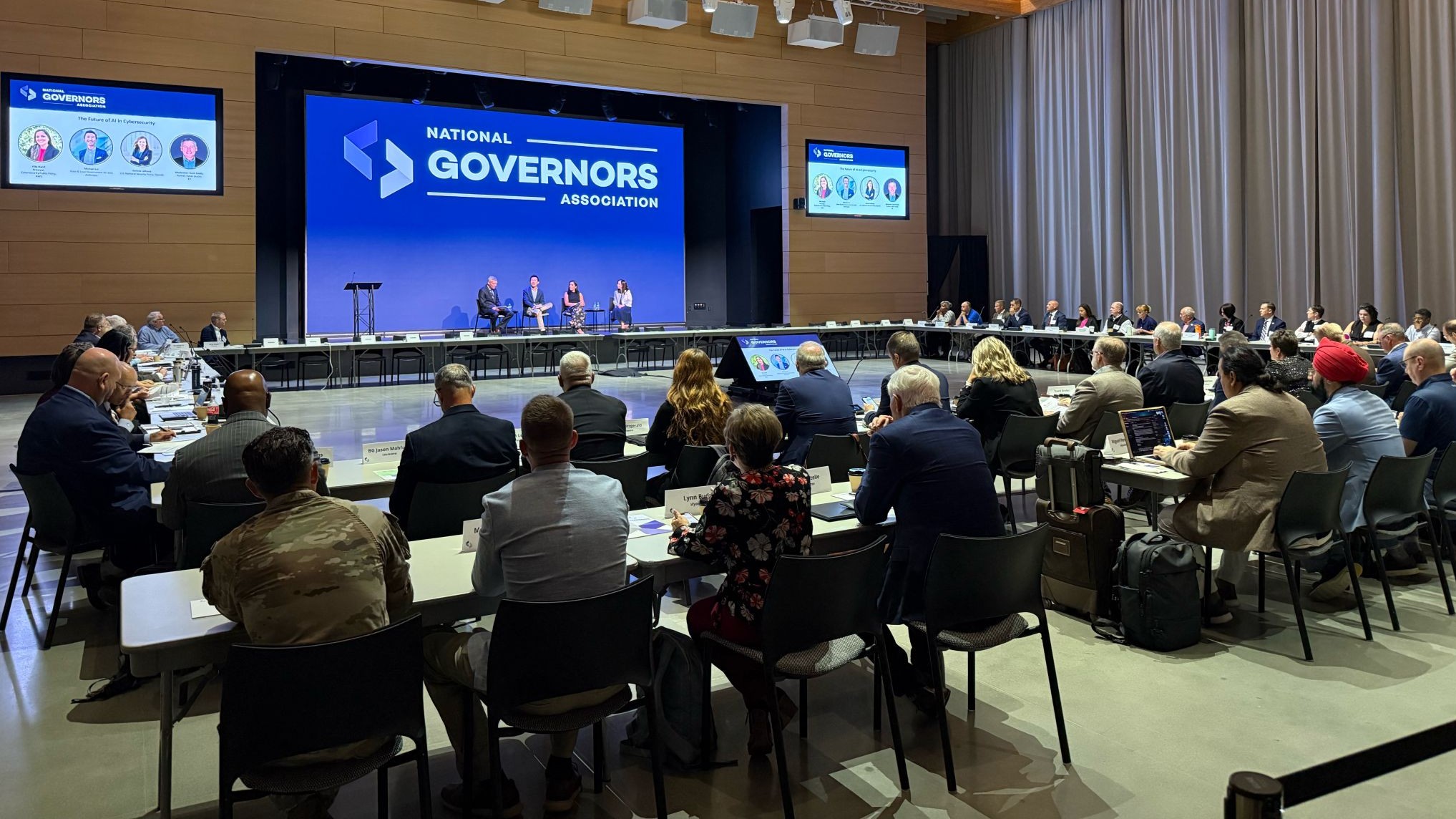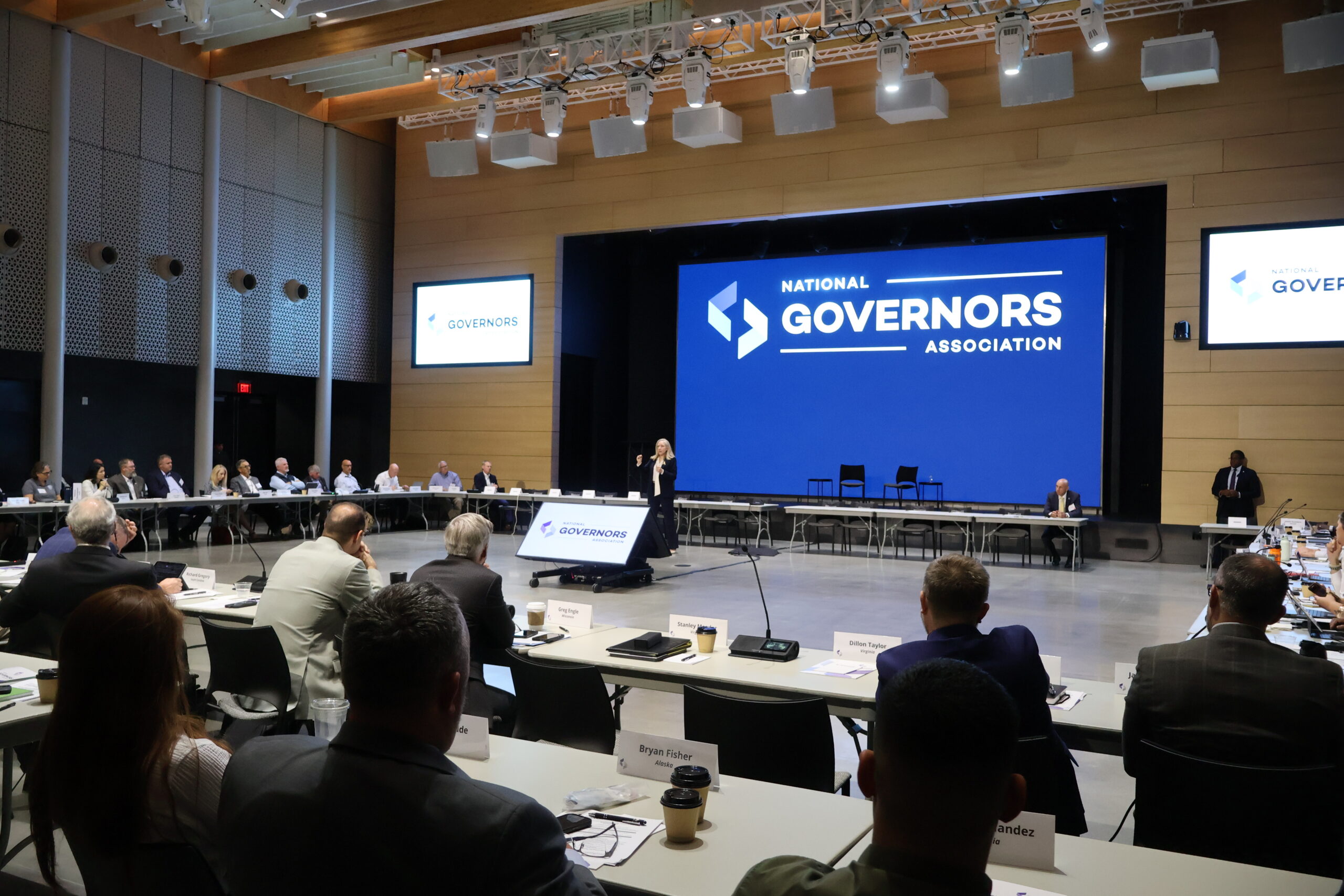
The National Governors Association convened its annual Governors’ Education Policy Advisors Institute (GEPA) in New Orleans from May 27-29, 2026, bringing together 34 leaders from 21 states and territories. Over three days of programming, education policy advisors worked across eight policy areas, from early childhood and literacy to higher education finance and career pathways, collaborating on strategies to improve student outcomes across the full learning continuum. The institute convened as part of NGA’s broader annual Policy Summit.
“We’re working with governors to create common-sense, cross-aisle paths to ensure students and teachers across all states and territories have the skills they need to succeed, especially in the age of AI.”
Timothy Blute, NGA Chief Policy Officer
Louisiana: Building Career-Connected Pathways
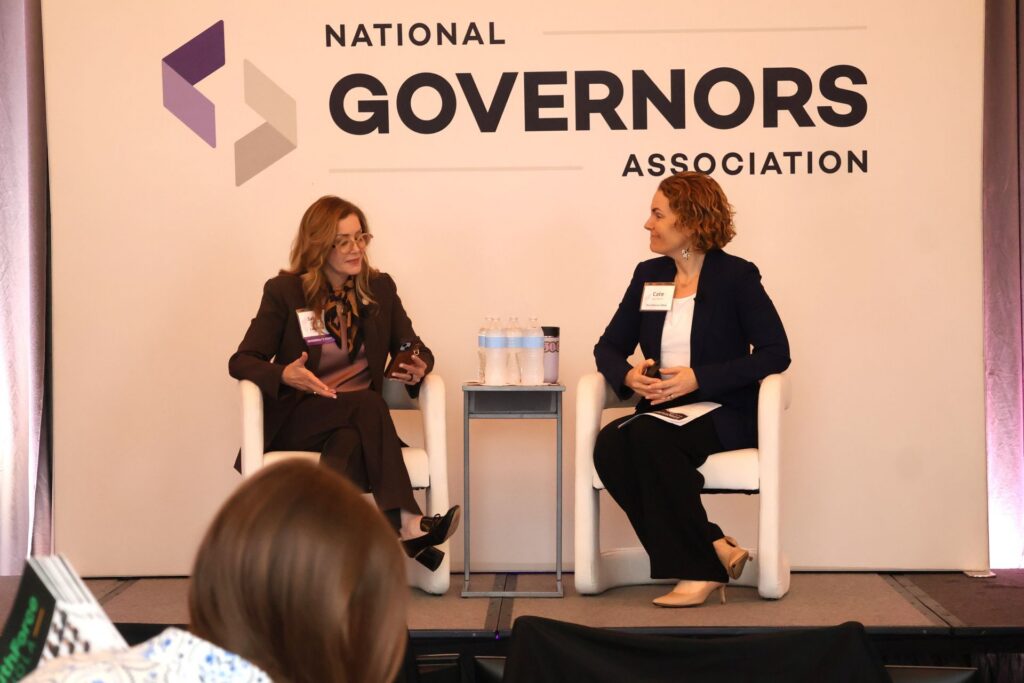
The institute opened in New Orleans with a fitting state spotlight: Louisiana’s own model of cradle-to-career workforce development. Dr. Sabrah Kingham from Louisiana Governor Jeff Landry’s office, and Cate Swinburn, Co-Founder, CEO & President of YouthForce NOLA, described how the state has made aligning education with economic development a defining priority of the Landry administration, attracting major employers who require a skilled local workforce pipeline to make their investments viable.
The state’s approach is built on the insight that graduates and employers struggle to find each other even when both are thriving. YouthForce NOLA bridges that gap by linking education, business, economic development, and workforce systems. The organization has connected nearly 2,000 public high school students to internships with more than 250 local businesses, and 97% of alumni have gone on to a post-secondary degree or career after graduation.
Louisiana has moved policy to match that ambition. State law now requires career awareness and exploration, including job shadowing, mentoring, and career immersion, beginning in middle school, on the premise that earlier exposure leads to more informed choices. A multi-year effort has also successfully layered work-based learning into high school accountability, state appropriations, employer tax credits and statewide educator training. Advisors heard a consistent message from both speakers: employers need intentional coaching to host youth interns effectively, the pitch must frame young people as a long-term talent pipeline investment, and practitioners need a seat at the table before legislation passes, not after.
Strengthening State and Territory Child Care Systems
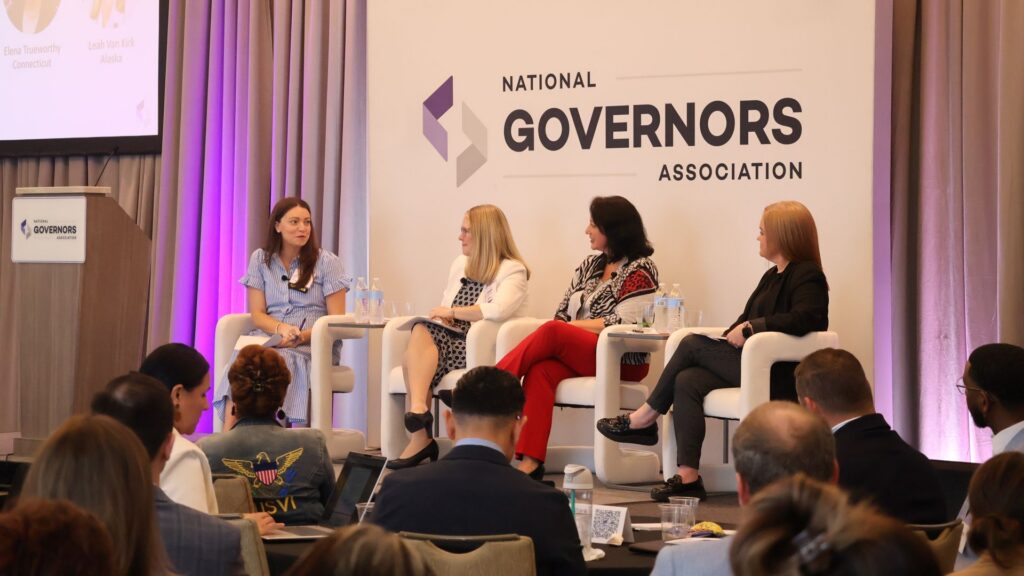
Childcare affordability and access continue to be top-tier economic and workforce issues for governors, and the fiscal landscape has grown more complicated. With federal funding streams in flux and state budgets under pressure, Alaska and Connecticut shared how they are building durable childcare systems without relying on any single funding source or political moment.
Connecticut’s most significant innovation is a first-of-its-kind Early Childhood Education Endowment, structured as a long-term trust fund seeded with significant state dollars and replenished annually by unbudgeted budget surplus. The endowment is designed to outlast any single administration or budget cycle, and it deliberately prioritizes infants and toddlers, not just preschool, on the premise that a preschool-only approach is insufficient for working families who need care from birth. Anchoring the effort is Connecticut’s standalone Office of Early Childhood, which coordinates policy, funding and stakeholder engagement across all birth-to-five services under one umbrella, streamlining what is otherwise a deeply fragmented system.
Alaska’s approach reflects the particular demands of rural geography. The state explicitly incorporated childcare into its Rural Health Transformation Plan, recognizing that health care workforces cannot be recruited or retained without childcare and housing support in the community. A task force-driven process produced concrete regulatory and operational reforms by listening deeply to providers, parents, and businesses before acting. Both states reinforced a shared lesson for the room: when a large pot of funding becomes available, the instinct to spend quickly should be resisted. Building the underlying system infrastructure first is what makes the investment durable.
Early Literacy: From Teacher Preparation to the P–3 Continuum
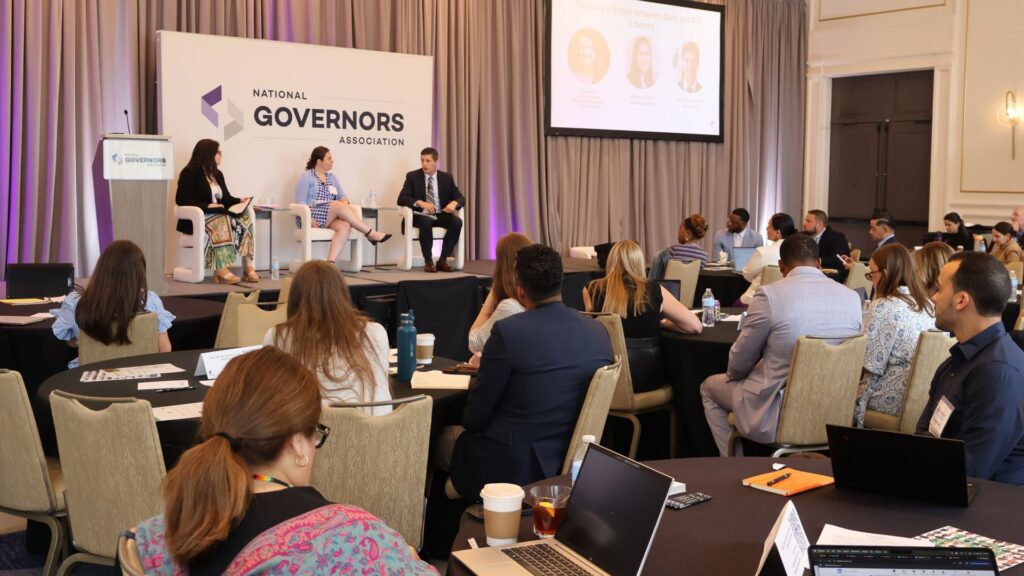
Nearly every state has advanced early literacy laws and policies in recent years, driven in large part by National Assessment of Educational Progress results showing nationwide declines in fourth and eighth grade reading in 2022 and 2024. This session, previewing NGA’s forthcoming Pocket Guide to Early Literacy, brought together perspectives from Massachusetts, Oklahoma and the National Council on Teacher Quality to examine what is working, and what remains unfinished.
Oklahoma’s Stronger Readers Act represents one of the most comprehensive state approaches. It treats third-grade retention as a last resort, backed by a full pre-intervention system: a single statewide screener, multi-tiered support structures, mandatory parental notification starting in kindergarten, and free teacher academies staffed by current practitioners. Massachusetts took a different but complementary path, using grants, free professional development institutes, and accelerated review of teacher preparation programs to drive instructional alignment without mandating curriculum, preserving district independence while still moving the system. Both states have extended their professional development and grant structures to early educators alongside K–3 teachers, recognizing that the foundation for reading is built well before kindergarten.
Ron Noble of the National Council on Teacher Quality offered a sobering national picture: while the share of teacher preparation programs aligned to scientifically-based reading instruction has grown significantly under state policy pressure, it remains far from universal. Even top-rated programs have gaps in preparing teachers to work with English learners and struggling readers, meaning alignment to core reading science is necessary but not sufficient.
High-Impact Tutoring as an Effective Strategy
High-impact tutoring has emerged as one of the most promising tools for accelerating student learning and closing persistent achievement gaps, but its effectiveness depends entirely on implementation quality. Liz Cohen of 50CAN and Dr. John Wyble of The Center for Literacy and Learning walked advisors through what separates programs that produce results from those that do not.
The defining characteristic of effective tutoring is dosage: frequent sessions, consistent adult relationships and small groups. Programs that fail almost always trace their shortcomings to inconsistent student attendance, making attendance tracking the first and most critical implementation step. Implementation success also depends heavily on leadership culture, principal buy-in, dedicated district staffing, coherent integration with the broader academic strategy, and collaborative vendor selection processes that give school leaders a real stake in the outcome.
The session pushed back on the assumption that tutoring is broadly available. Many affluent students already receive extensive private tutoring outside of school; high-impact tutoring programs are fundamentally an equity intervention to close that gap. College students are an underutilized and highly effective tutor workforce, and virtual tutoring is being explored to address travel barriers and make it easier to recruit and deploy tutors at scale. AI tutoring is still being evaluated for impact, knowing that human connection is a core value of high-impact tutoring, and young people are hungry for meaningful relationships with adults in ways that current technology cannot replicate. Out-of-school time tutoring holds significant untapped potential when programs are designed with intentional family engagement; parents, contrary to common assumptions, are often eager to participate when given a clear and accessible opportunity.
Expanding Dual Enrollment to Improve Access

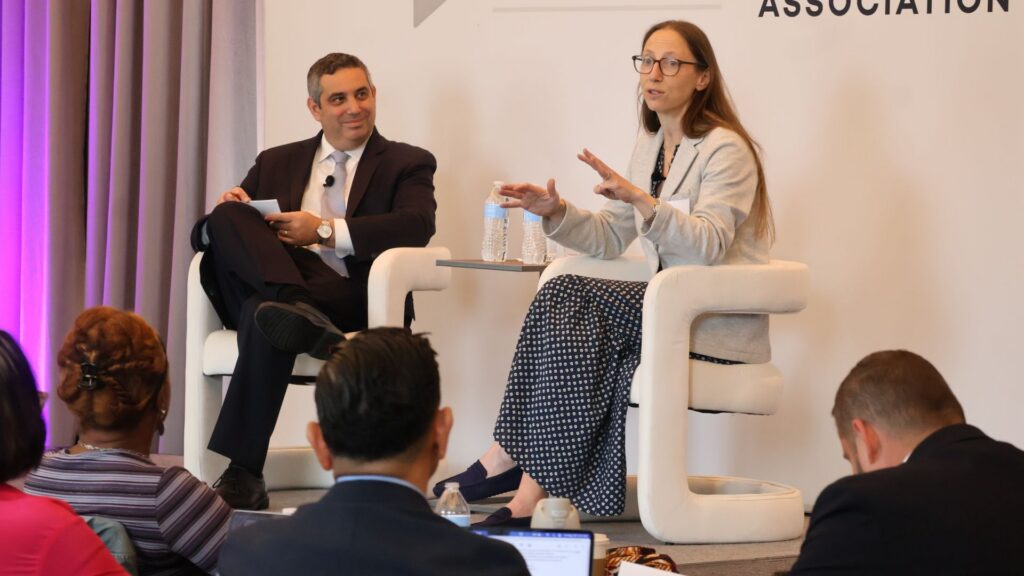
Dual enrollment has shifted from a gifted-student acceleration tool to a mainstream college access mechanism, with a significant and growing share of high school students now taking college courses before graduation, including a majority in some states. Alex Perry of Foresight Law and Policy led an interactive discussion on what separates states with high participation from those still struggling to scale.
The answer is largely funding. States with the highest participation rates have built robust state funding systems for dual enrollment; where funding is absent or left to schools and colleges to negotiate individually, participation falls and the school-college relationship tends to devolve into arguments over money rather than student outcomes. Rural access presents a distinct challenge: most colleges require graduate-level content credits that most high school teachers do not hold, but new research from Oregon shows that a professional development alternative closes rural access gaps with no difference in student outcomes, raising real questions about whether the traditional credential requirement is justified.
Credit transfer and portability problems remain a persistent barrier, hitting hardest in CTE and workforce pathways where highly individualized school-college partnerships make it difficult to apply credits elsewhere. Advising is an under-resourced gap: high school counselors and college advisors rarely coordinate, leaving low-income students without guidance on which courses will actually transfer and benefit them. States that have directed funding specifically toward low-income student participation have seen those students’ enrollment in dual enrollment courses increase measurably, pointing to funding design as a powerful lever.
New Orleans: A Generational Reform Model
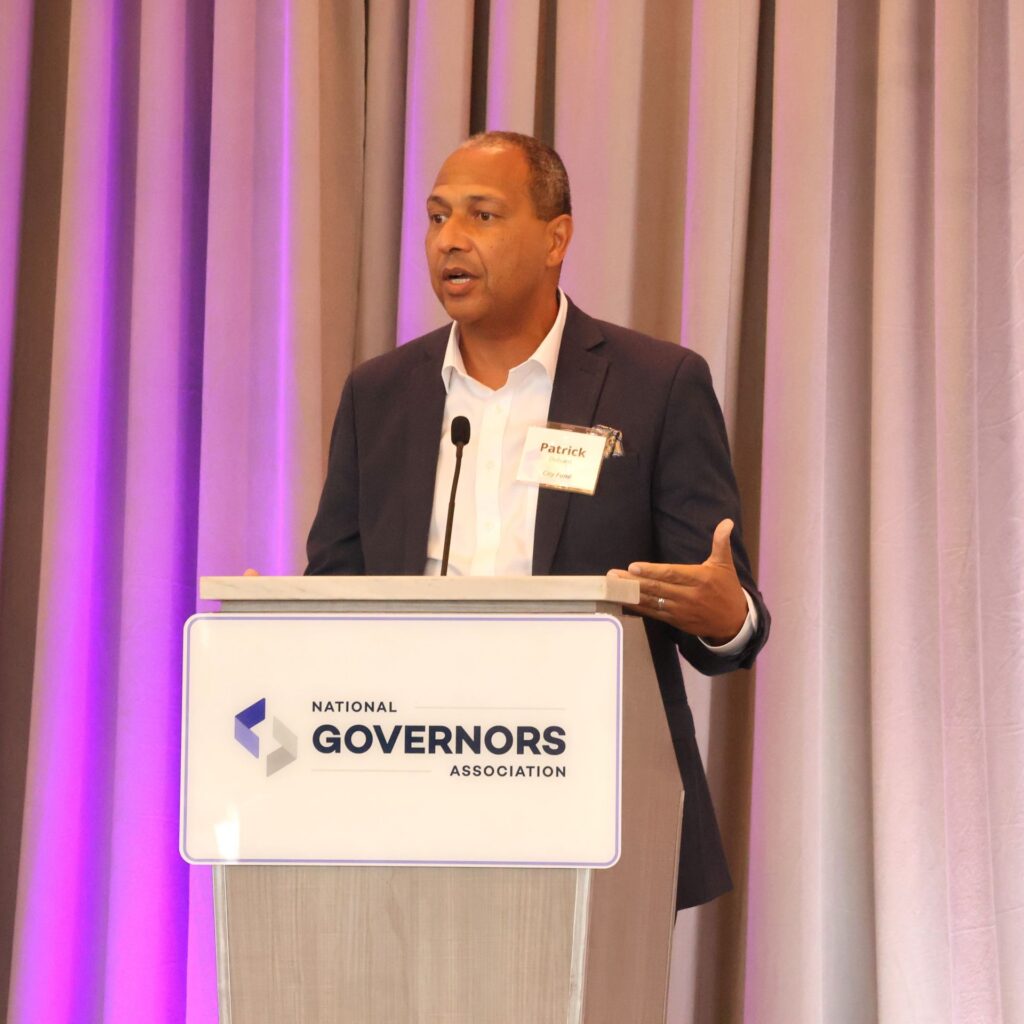
Patrick Dobard, Partner at City Fund, offered the room a longer view of school reform by reflecting on New Orleans’ transformation of its public school system over a generation. The city’s experience offers a model, and a caution, for states seeking to drive lasting change.
New Orleans’ success rested on three interlocking sectors working in concert: regulators setting clear policy and accountability; innovators running schools with meaningful autonomy; and collaborators, philanthropic, and nonprofit organizations, bringing in non-government resources and advocacy. No single sector could have done it alone. The most important structural factor, Dobard argued, was bipartisan continuity across multiple administrations. The core principles of accountability, choice and local ownership transcended Republican and Democratic governors and sustained the reform arc over decades. City Fund has helped open more than 200 new urban public schools and create more than 112,000 new public charter school seats – growth that only happens, Dobard emphasized, when state and local leaders are aligned and committed to the long game.
The lesson for advisors was both practical and humbling: real change is generational. Leaders must be actively building the next generation of reformers while doing the current work. And every reform effort must start from an unimpeachable foundation, a clear and shared belief that all students can learn and a commitment to securing resources.
Strengthening the School-Based Mental Health Workforce
The school-based mental health workforce was already stretched thin before recent federal uncertainty made the picture more complicated. Major workforce pipeline grants were canceled mid-cycle and only partially restored, and upcoming Medicaid changes could mean significant budget shortfalls for states with large low-income student populations, creating compounding fiscal pressure on a system that was already under strain. Speakers from Nebraska and the National Association of School Psychologists offered models for building workforce infrastructure that can withstand that kind of turbulence.
Nebraska’s BEACON model is nationally recognized as the most comprehensive state behavioral health workforce approach in the country. Anchored in state statute and housed at an academic institution since the late 2000s, its core insight is that you cannot move the whole system by focusing on just one piece of it. The model walks alongside workers across their entire career lifecycle, from career awareness in middle and high school through professional support and burnout prevention for practicing providers, and has produced substantial workforce growth statewide, with especially notable gains in rural areas. Nebraska required all grant-funded awardees to submit sustainability plans, and most programs continued after funding ended because the value was proven and the infrastructure was already in place.
Michigan’s school psychology apprenticeship offers a complementary model, braiding federal, state, and Medicaid dollars to subsidize tuition and pay trainees during clinical hours, removing the financial barriers that deter candidates from entering the field while maintaining quality standards. The session’s broader takeaway was structural: the specific organizational model matters less than having a centralized, durable home for this work with a clear mandate, stable state support, and enough independence to adapt as funding landscapes shift.
Strategic Financing for State Higher Education Systems
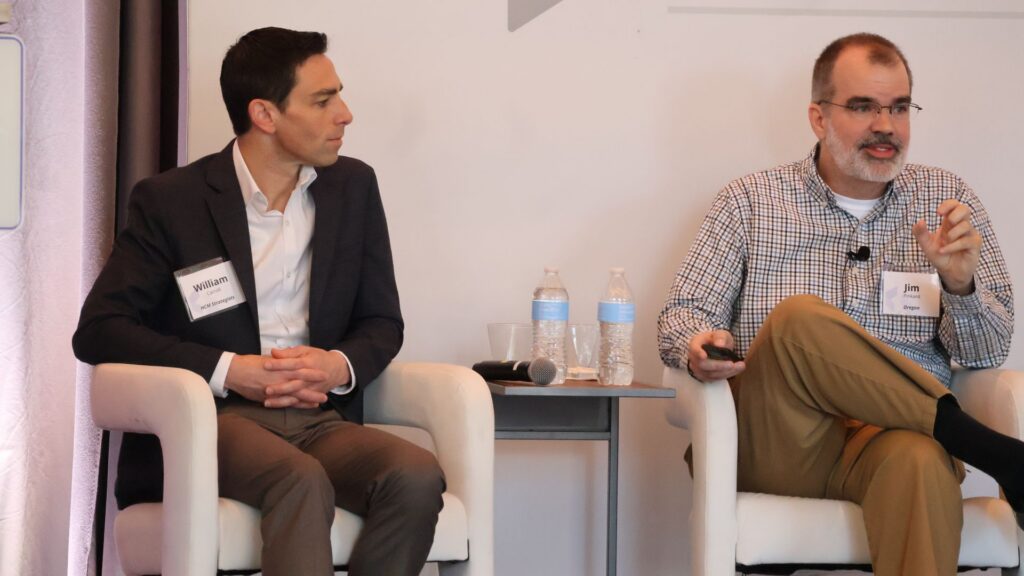
State funding formulas for higher education are among the most powerful governance levers governors hold, shaping institutional behavior, student access and workforce outcomes in ways that few other policy tools can match. William Carroll of HCM Strategists and Jim Pinkard of Oregon’s Higher Education Coordinating Commission introduced a Balanced Framework for higher education funding and made the case for why formula design deserves far more deliberate attention than it typically receives.
There is no neutral funding policy, Carroll argued. Even a simple across-the-board increase embeds values and can perpetuate historical inequities, because past funding disparities compound over time and institutions that have always received more continue to receive more. The misalignment between need and resources is fundamental: students with the greatest financial need are significantly more likely to attend the lowest-resource institutions, not the highest. Funding formulas that ignore student characteristics systematically underfund the institutions doing the hardest work, and serving adult learners, first-generation students and other high-need populations costs meaningfully more than serving traditional students.
More states are incorporating post-completion metrics, including earnings and job placement, into their funding formulas, creating incentives for institutions to invest in career advising, internships, and other outcome-driving supports rather than simply enrolling students. The session concluded with a call for states to revisit their formulas regularly, designing them to simultaneously advance state strategic goals, center student success, account for differential costs by student type and create meaningful incentives around completion and post-graduation outcomes.
K–12 Education Finance: Navigating Structural Fiscal Pressure
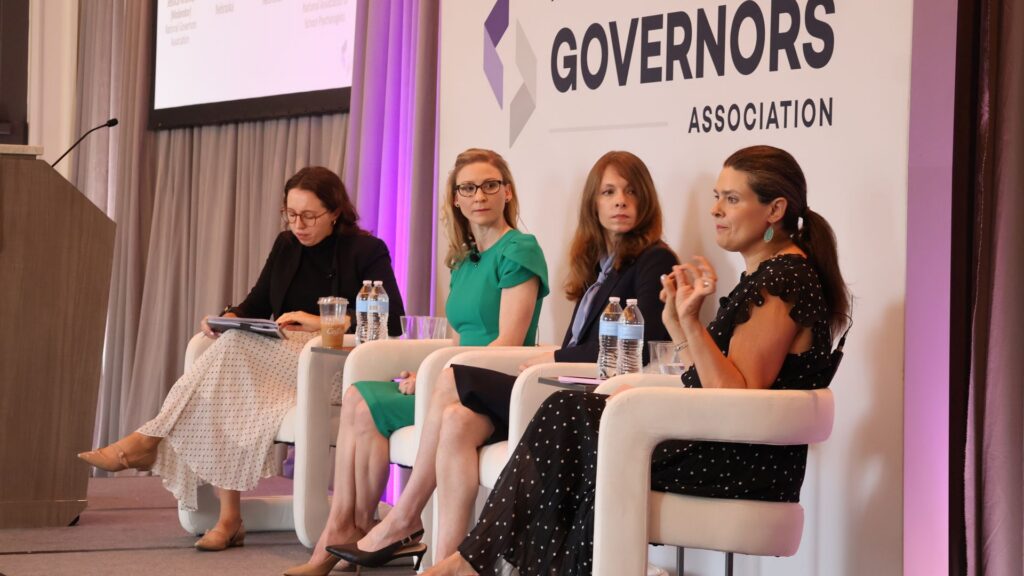
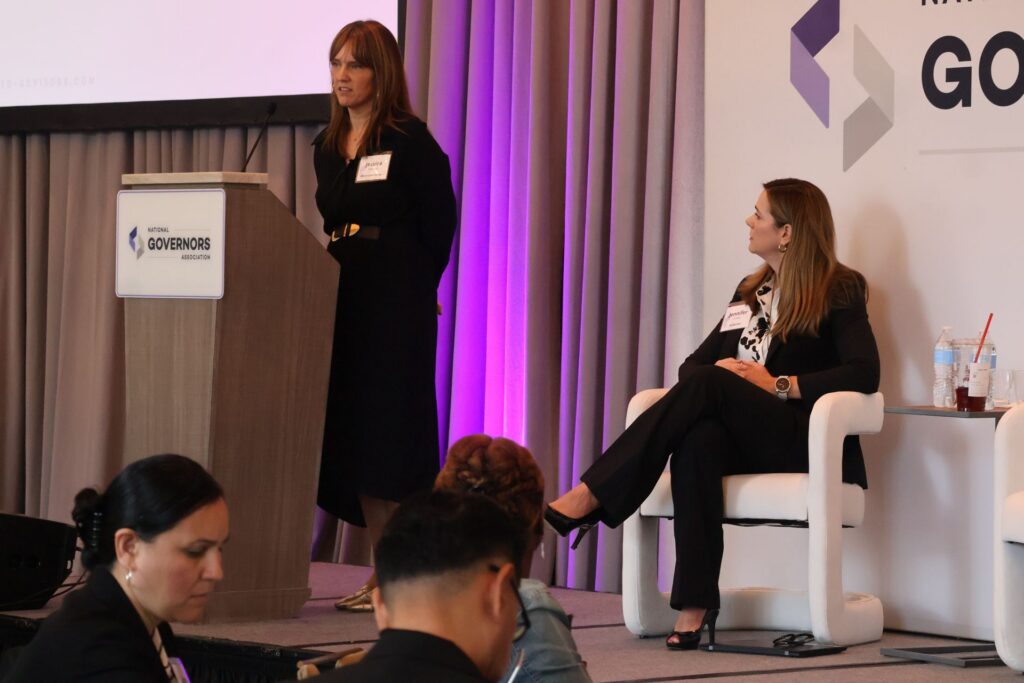
Jennifer O’Neal Schiess of Bellwether and Jessica Baghian of Watershed Advisors closed the institute with a frank assessment of the structural fiscal challenges ahead, and how governors can respond with strategy rather than simply absorbing the pressure.
The challenges are real and compounding. States are entering a period of sustained flat or slow revenue growth that is structural, not cyclical. Enrollment decline is driven by falling birth rates and will continue; the hard decisions about school closures and consolidations cannot be deferred indefinitely without significant cost. And changes to Medicaid and SNAP eligibility create a hidden risk that is not getting enough attention: as fewer families qualify for those programs, the counts states use to identify low-income students for formula funding purposes will fall, reducing dollars flowing to districts even though underlying poverty has not changed.
The good news, both speakers argued, is that governors have real choices. When formula obligations fall due to declining enrollment, states can absorb the budget relief, provide temporary transition funding to districts, or reinvest strategically in state priorities, but not making a choice is itself a choice, and states should decide deliberately. Targeted, strategic cuts protect what matters most; states that have a clear theory of what they are protecting and what can change are far better positioned than those making uniform reductions. Louisiana’s Unified App approach, which consolidates fragmented grant applications, plans, timelines, and budgets into a single streamlined process aligned to a small number of clear state priorities, is spreading across states of all political stripes as a model for reducing administrative burden while strengthening state signal-setting. The session’s closing message: local control is real, but states send signals to districts whether they intend to or not. The question is whether those signals are intentional.
Looking Ahead
The institute convened alongside a timely external benchmark. The 2026 Education Scorecard, From Learning Recession to Learning Recovery, released by researchers at Harvard and Stanford, draws on state test results for roughly 35 million third- through eighth-grade students to track district-level trends in math and reading. Its picture is mixed: post-pandemic math recovery has been real in some states, but reading scores remain at historic lows, underscoring the urgency behind many of the institute’s discussions.
NGA will release several resources in the coming months that build directly on institute themes. The publication “A Governors’ Pocket Guide to Early Literacy,” forthcoming later this summer, will highlight innovative and impactful strategies to boost student reading outcomes. Next month, NGA will release a guide for governors on degree apprenticeship models and highlight state efforts in that space, following a parallel session at the Policy Summit on degree apprenticeships convened for 45 leaders from 26 states and territories. The Policy Academy to Advance Data Dashboards Measuring Student and System Success, inspired by Colorado Governor Jared Polis’ NGA chair’s initiative “Let’s Get Ready” continues its 18-month project to give governors the data they need to measure what works beyond test scores alone.