Human Services Policy Advisors Institute | June 24th, 2026
H.R. 1, or “The One Big Beautiful Bill”, introduced significant changes to work requirements across major health and human services programs. including expanding the populations subject to SNAP time limits, reducing state/territory SNAP waiver flexibility, and creating new work requirements in Medicaid. These changes accelerate the long-standing priority to strengthen coordination across workforce, human services, and health systems to ensure eligible individuals maintain access to benefits while meeting new requirements.
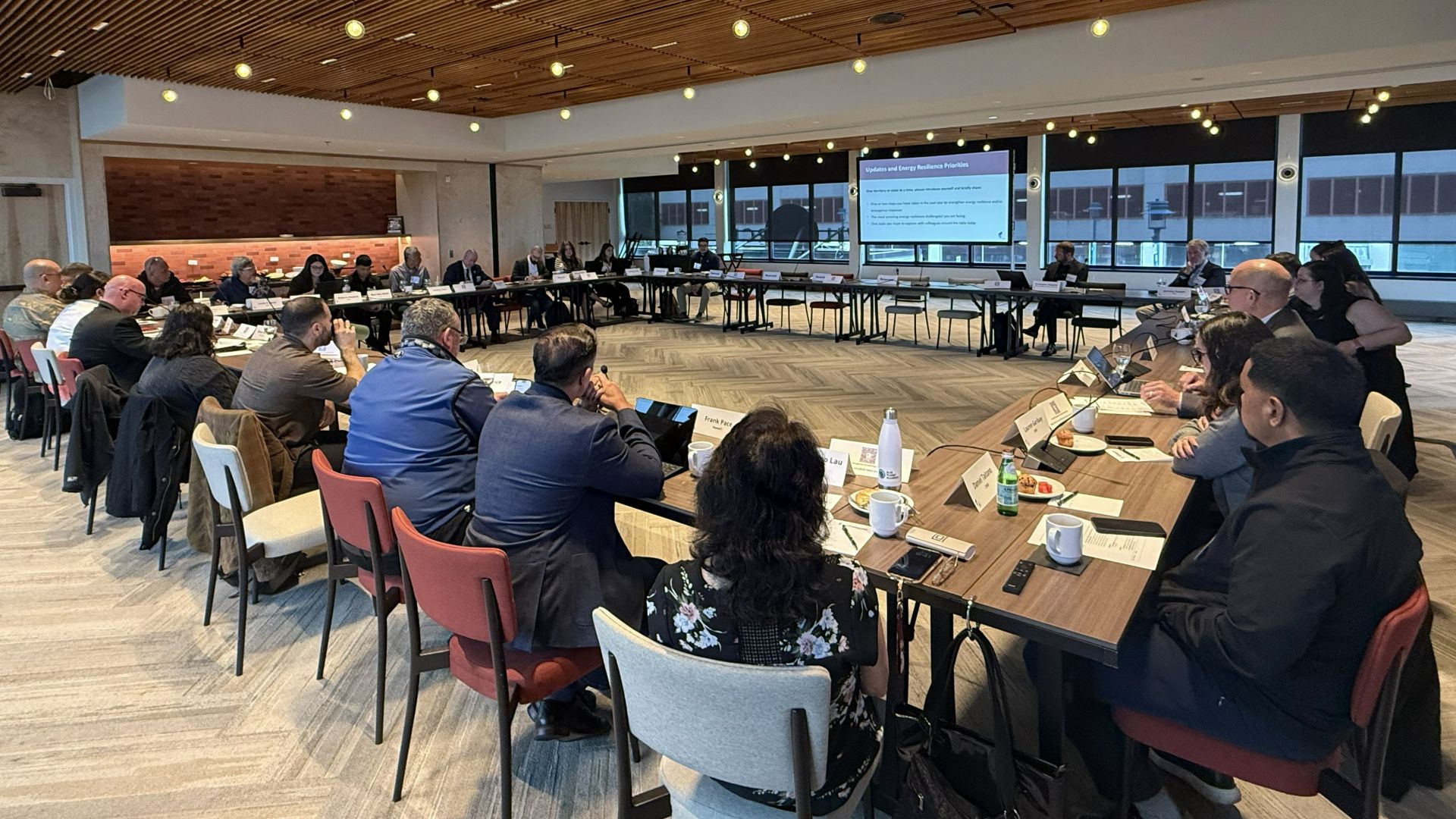
On June 24th, 2026 the NGA Children & Families team convened state and territory Human Services, Workforce, and Health Policy Advisors to discuss how their states/territories are implementing these changes. The conversation focused on how Governors can build on existing coordination efforts, align systems, and leverage workforce strategies to support compliance under new federal requirements. The discussion featured state spotlights from Utah and Illinois.
Speakers
- Commissioner Casey Cameron, Utah Department of Workforce Services
- Sheena Panoor, Associate Director, Illinois Office of Workforce Development
A recording is available here. Please contact the NGA Children & Families team for the password.
Key Takeaways
- Implementing new SNAP and Medicaid work requirements requires states and territories to make near-term decisions amid evolving guidance. Uncertainty around verification, exemptions such as medical frailty, and compliance shapes early implementation decisions.
- Medicaid work requirements elevate the need for alignment with existing workforce and SNAP systems. State and territories look at SNAP E&T and existing workforce infrastructure to support the rollout of Medicaid community engagement requirements, particularly for overlapping populations and program rules.
- States and territories are focusing on integrated systems to reduce fragmentation and improve access. Strategies include strengthening shared intake portals, physically co-locating services, and aligning data systems, which reduces the need for individuals to navigate multiple agencies and repeatedly verify information.
- States and territories are using both long-term system integration and near-term coordination strategies to respond to new requirements. Utah demonstrates how a unified “one door” system supports alignment across programs, while Illinois highlights how ecosystem mapping and cross-agency coordination quickly expand capacity and align services in response to new work requirements.
State Spotlights
Utah: Integrated “One Door” System
Presented by Commissioner Casey Cameron, Utah Department of Workforce Services
Utah operates an integrated system through its Department of Workforce Services, which administers workforce programs and eligibility for public assistance programs, including SNAP, Medicaid, TANF, child care, and unemployment insurance, within a single statewide agency. Through a “one door” or “no wrong door” model, individuals applying for assistance are connected to employment and training opportunities through a unified intake and assessment process.
Key Takeaways from Utah’s presentation
- Building an integrated system takes time but yields results. Utah built its “one door” system over roughly 30 years, emphasizing that full alignment across SNAP, Medicaid, child care, and workforce programs requires sustained investment and effort, but delivers a more streamlined system.
- Create a shared entry point that connects services and employment support. Utah’s model allows individuals to access SNAP, Medicaid eligibility, job search, training, and other support through unified intake and assessment processes. The system was established through legislation that created the Department of Workforce Services in 1997 and consolidated workforce and public assistance programs into a single agency, supported by shared data systems that connect services across programs,
- Leverage integrated data systems to track participation and support implementation across programs. Utah links SNAP E&T, employment counselors, and eligibility staff through connected systems that allow participation to be tracked and case managed across programs. The state uses system interfaces, wage data, and verification tools to verify work activity and supports compliance, while building these requirements into its systems.
- Anticipate ongoing complexity even in an integrated model. Differences across federal program rules, funding streams, and stakeholder priories still require active coordination even within a unified system.
Illinois
Presented by Sheena Panoor, Associate Director, Office of Workforce Development
Illinois is scaling SNAP Employment and Training (E&T) and strengthening workforce system coordination in response to expanded work requirements following the end of its statewide waiver. The state is using ecosystem mapping, cross-agency collaboration, and existing workforce programs to align services and connect individuals to various employment and training opportunities.
Key Takeaways from Illinois’ presentation
- Scale SNAP E&T capacity to meet increased demand from expanded work requirements. With the end of its statewide ABAWD waiver, Illinois anticipated more than 400,00 individuals becoming subject to time limits and has focused on expanding capacity quickly.
- Use implementation efforts to strengthen its broader workforce systems. Illinois is using the urgency of H.R. 1 implementation to build a more cohesive system that connects SNAP and Medicaid participants to employment and training pathways.
- Deliberate, ongoing cross-agency collaboration and coordination structures are helping the state align strategy and implementation. Illinois established a cross-agency working group that initially met weekly and now convenes bi-weekly, bringing together state agencies, workforce boards, community organizations, and philanthropy. The group aligns on strategy while coordinating program expansion and supporting efforts to help individuals meet benefit requirements.
- Use workforce ecosystem mapping to identify capacity and gaps across programs. Illinois convened agencies and partners to map existing workforce programs including which services are in place are currently in place, where additional capacity exists and what funding supports the work (federal, state, or local dollars)
- Community based providers and existing programs serve as foundation for expansion. Illinois is leveraging current workforce programs by expanding provider networks and bringing in additional state and locally funded programs into SNAP E&T to access federal reimbursement. The state uses SNAP E&T’s flexibility to engage participants with high barriers, co-enroll individuals across programs, and connect them to training, services, and pathways into the workforce system.
- Efforts focus on maintaining access to benefits while supporting engagement. While committed to connecting participants to quality employment, Illinois emphasized strategies to help individuals meet requirements, retain SNAP benefits, support Medicaid compliance, and communicate pathways to regain eligibility if clients are temporarily bumped off programs.
This summary was developed by Ekaan Ahmad, Policy Coordinator for the Children & Families team.