
Homeland Security & Cybersecurity
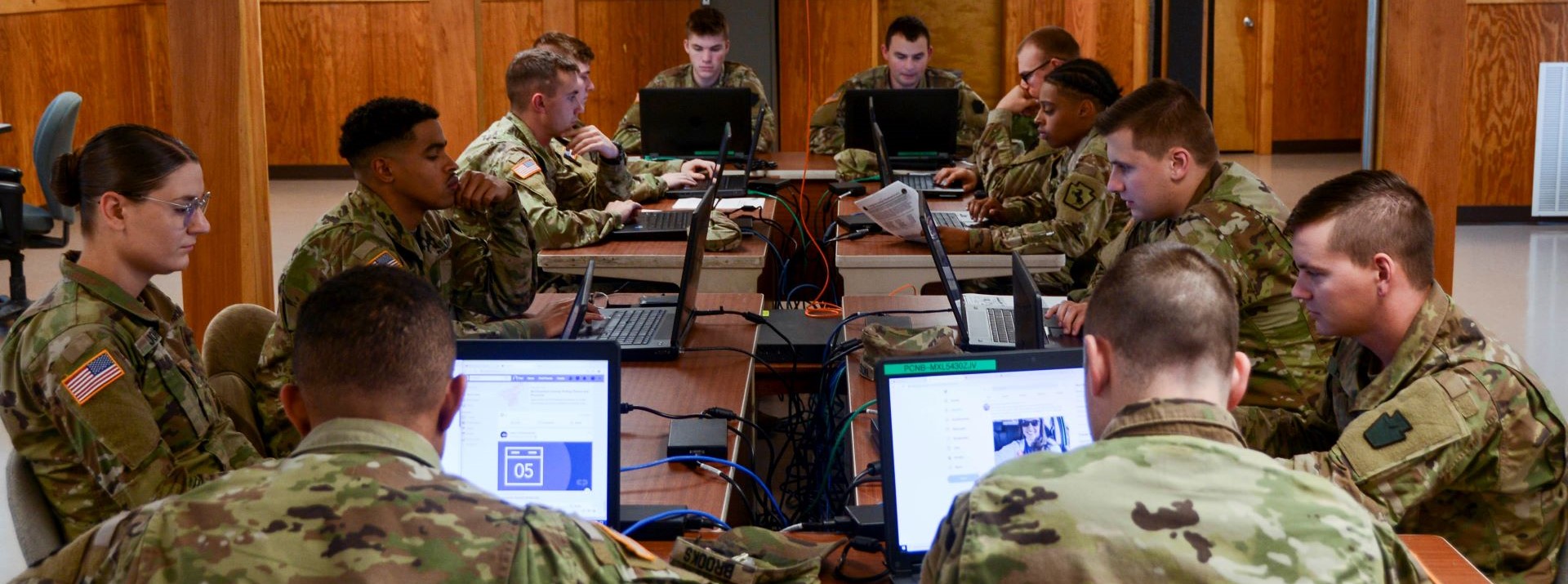
Governors play a critical role in homeland security and are responsible for protecting people, property, and businesses within their respective states and territories. Governors are confronted with a range of events—from natural and man-made disasters, disease outbreaks, acts of terrorism, along with the significant and continued growth of cyber-attacks against the United States.
To support Governors’ priorities, the Homeland Security & Cybersecurity Program convenes and provides research and technical assistance to Governors and their staffs on a range of national security policy issues, including cybersecurity policies and practices, targeted violence and terrorism prevention, energy assurance, public health emergency preparedness, and emergency management, including disaster response, recovery and resilience.
NGA Homeland Security and Cybersecurity Networks
Governor’s Homeland Security Advisors Council (GHSAC): The GHSAC is comprised of Governors’ appointed homeland security advisors for each state and territory and serves as a forum to share information and expertise, discuss priorities setting and collaborate on strategic planning to address all hazards and threats facing states and territories. The top priorities for members of the GHSAC include cybersecurity, school safety, critical infrastructure protection, natural disaster and extreme weather response, and preventing targeted violence. In support of addressing these priorities, NGA coordinates monthly plenary calls, twice annual in-person convenings, writes policy memos and provides ongoing support and technical assistance. Learn more about the GHSAC here.
Cybersecurity Policy Advisors Network (CPAN): The Cybersecurity Policy Advisors Network is comprised of advisors identified by the Governor and serves as a forum to share ideas and troubleshoot challenges with colleagues from other states, connect advisors with valuable resources and materials, and provide opportunities to engage with subject-matter experts. NGA coordinates monthly network calls, an annual in-person convening, and provides technical assistance, memos and other support as needed. Learn more about NGA’s cybersecurity efforts here.
Council of Governors (COG): The Council of Governors is comprised of 10 Governors – five from each party – appointed by the President to two-year terms. The Council serves as a forum for Governors and key federal officials to improve and maximize state-federal partnerships to address matters pertaining to the National Guard, homeland defense, and civil support activity. NGA works to support Governor’s offices in this mission as well as sharing information and facilitating input from all Governor’s offices. Learn more about the Council of Governors here.
Meet the Team
- Jessica Davenport, Program Director
- Phil Nichols, Senior Policy Analyst
- Michelle Blakeslee, Policy Analyst
- Aisley Wallace Harper, Policy Coordinator
Focus Areas
- Critical Infrastructure Protection
- Cybersecurity
- Disaster Response, Recovery and Resilience
- Emergency Preparedness
- Energy Security
- Homeland Security
- Nation-State Threats
- National Guard
- Preventing Targeted Violence
- Public Health Emergency Preparedness
- School Safety
Featured

Governor’s Guide To Homeland Security
This guide covers fundamentals in homeland security best practices ranging from emergency management, fusion centers, grant management, the national guard, emergency declarations, critical infrastructure and other areas of homeland security that a governor and their policy staff would need awareness on.
The Governor’s Guide To Public Health Preparedness
This guide serves as a primer on public health preparedness, detailing current strategies, available resources and existing partnerships that may help policymakers bridge the gap between the disciplines of public safety and public health. By doing so, governors can develop a stronger cooperative network for emergency response and provide their states with a safe and healthy future.

Governor’s Roadmap to Preventing Targeted Violence
This roadmap distills the latest research and draws from elements of public-health interventions to provide guidance to governors, state and local leaders, and other stakeholders on how to prevent ideologically inspired violence—whether political, gender-based, or religious. By taking a multidisciplinary, collaborative approach to preventing such violence, states can build safer and more resilient communities.
NGA Resources
Testimony – D Block Senate Commerce
Testimony – Children and Disasters
Testimony – Homeland Security Grants
Testimony – PASS ID
Testimony -Pandemic Flu
Testimony – REAL ID, Western Hemisphere Travel Initiative
Testimony – Homeland Security Grants: Supporting a National Preparedness and Response System
Testimony – National Guard (Governor Easley)
Testimony – Real ID

-
Governors Homeland Security Advisors Council
Learn More
-
Resource Center for State Cybersecurity
Learn more
-
Technical Assistance
We provide complimentary consultation to states as they design and implement new programs and policies.
Contact Us Now -
Public Safety & Legal Counsels Program
Learn more
-
Defense/National Guard Resources
Learn More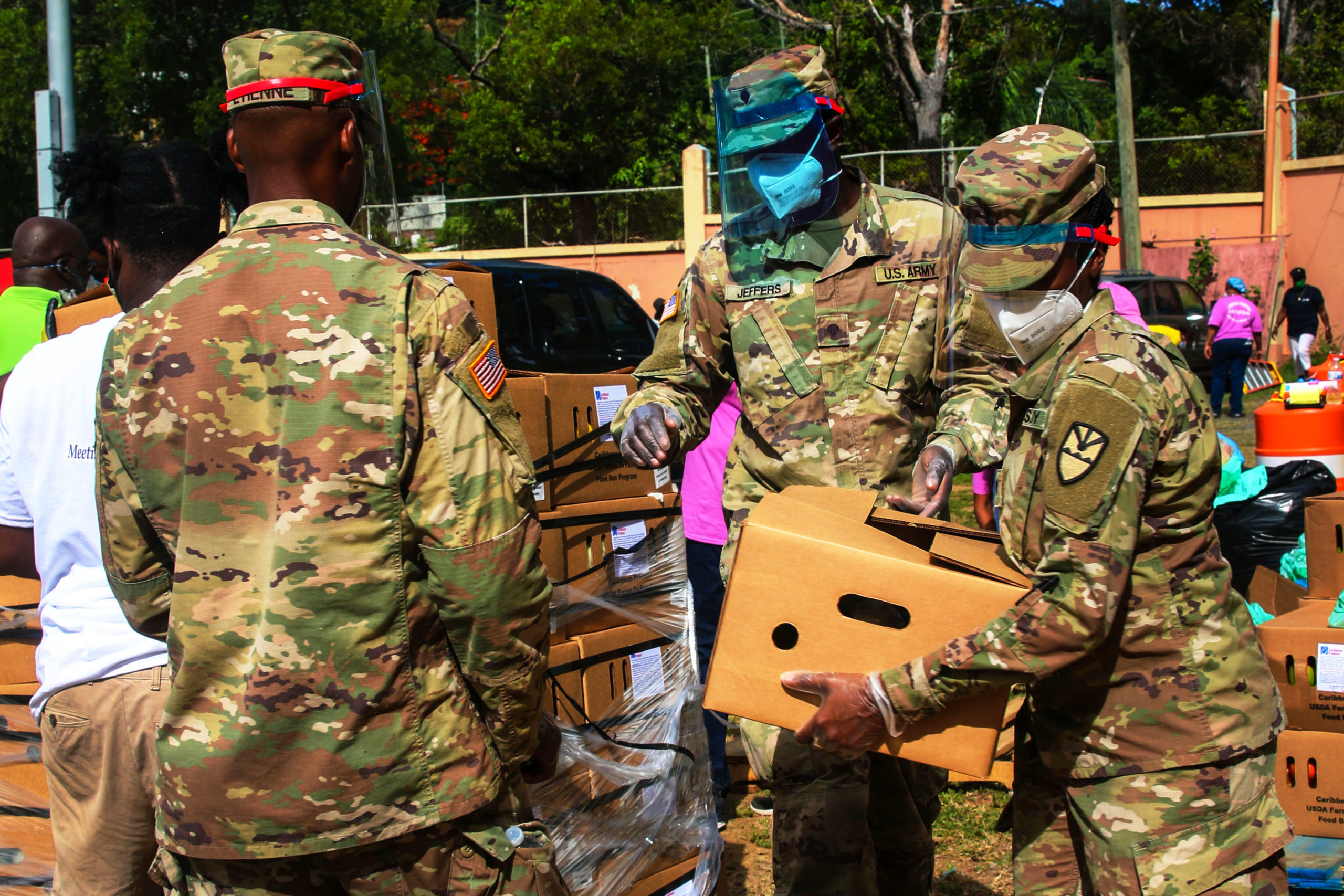
-
Resilience Resources
Learn More