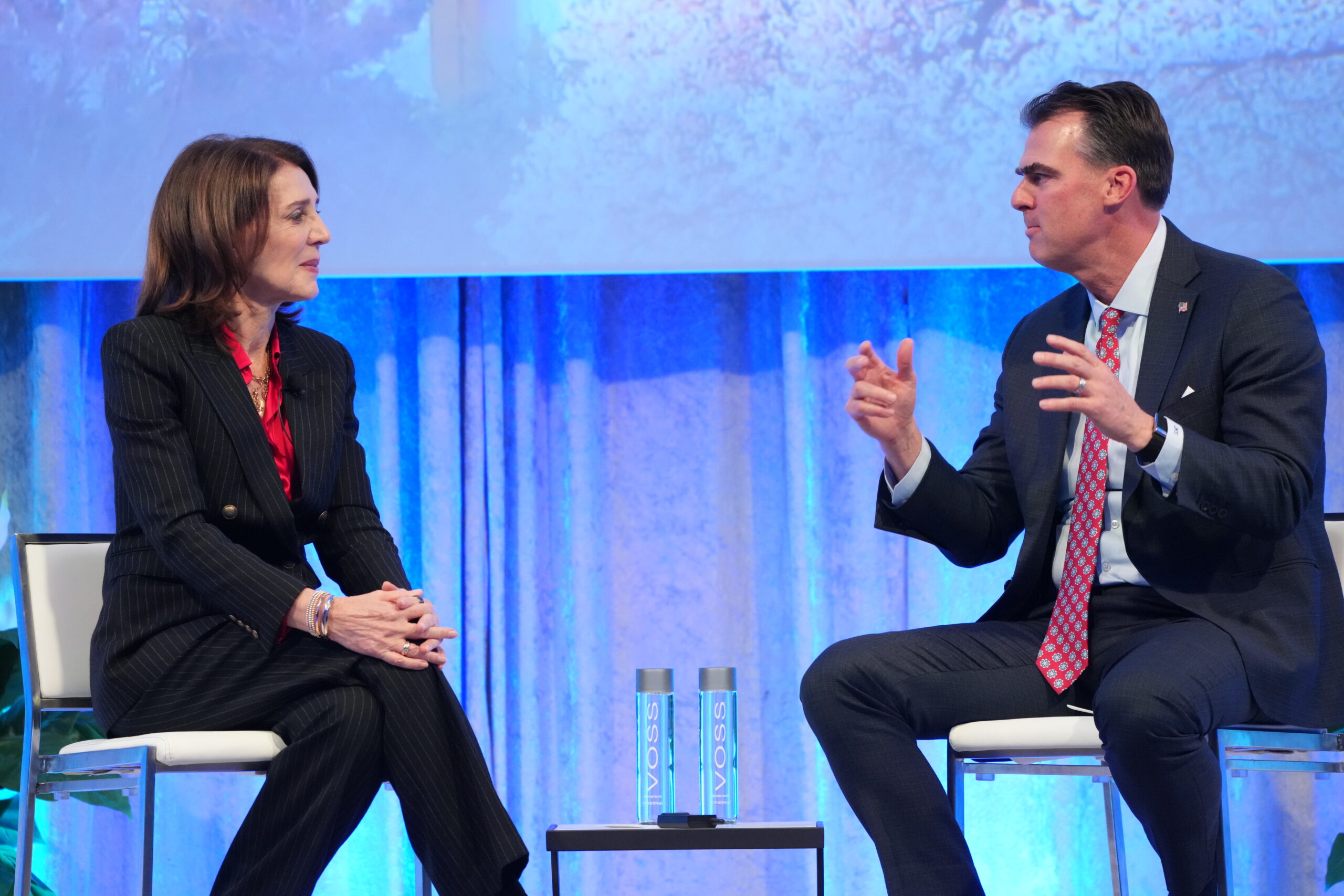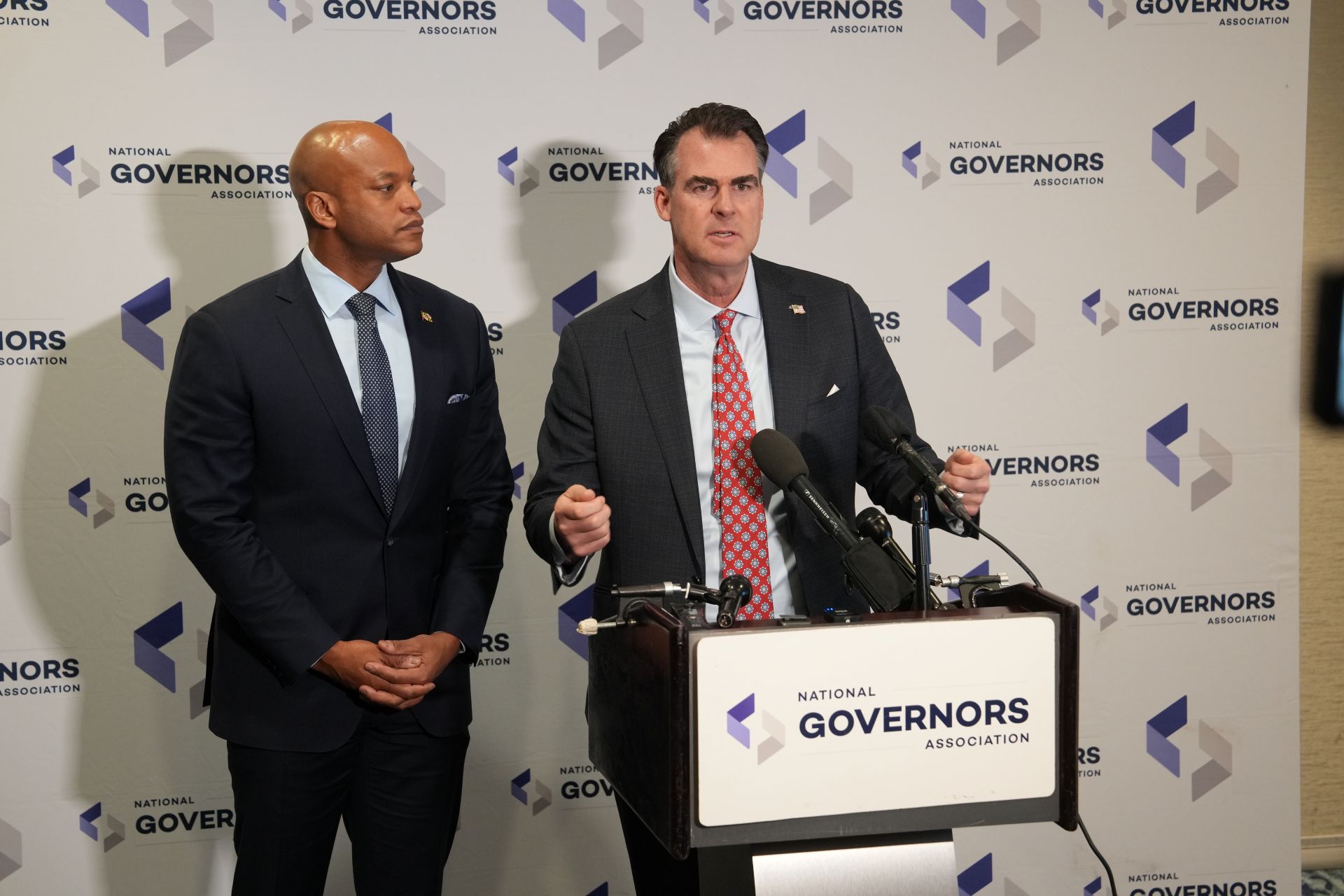
On November 4, 2025, the National Governors Association (NGA) convened a roundtable to discuss key issues and solutions associated with utilizing transportation right-of-way (ROW) for energy transmission, fiberoptics, and other linear infrastructure projects. The convening was held in partnership with, and funded by, the U.S. Department of Energy’s Office of Electricity. The meeting built upon recent convenings on ROW, including the National Academies’ workshop Reinventing the Right of Way: Policy, Technical, and Economic Implications of Siting Transmission Lines Along Transportation Corridors held in April 2025, and the right-of-way workshop held during the Transportation Research Board’s 2024 Annual Meeting. Other organizations have provided important contributions and continue to work in this area, such as the American Association of State Highway and Transportation Officials (AASHTO) Committee on Right of Way, Utilities and Outdoor Advertising Control (CRUO), and The Ray, a nonprofit organization that partners with federal, state, and local governments on several topics including use of transportation corridors for co-locating energy infrastructure.

The roundtable was held as part of NGA’s Fall 2025 Infrastructure Coordinator Workshop and brought together Governors’ infrastructure coordinators and advisors, state transportation officials, federal officials, and participants representing various infrastructure sectors including internet service providers, utilities and pipelines. The key objective of the meeting was to socialize the topic with Governors’ Infrastructure Coordinators and other state and territory officials that may not have had as much exposure on the opportunities and challenges of utilizing existing ROW.
Introductions and Initial Thoughts
At the outset of the meeting, participants introduced themselves and provided initial comments and questions on potential issues and solutions associated with leveraging ROW for transmission and other linear infrastructure. State participants were particularly interested in understanding the role of their departments of transportation in better utilizing ROW, and opportunities for effective coordination between Governors’ federal affairs representatives, members of Congress, and Congressional staff. States also expressed interest in accessing technical assistance or funding to facilitate coordination of linear infrastructure projects. Lastly, attendees remarked that unused rail lines or railroad ROW should be explored for potential energy transmission expansion.
Several participants acknowledged the importance of reliable data for effective decision making and were interested in exploring existing data and identifying gaps. Participants also noted that examples of success stories are useful in communications strategies to advance better utilization of ROW.
Participants also commented on the need to better understand how various sectors can contribute to catalyzing transmission along existing ROW. This included the role that the federal government can play through the U.S. Department of Energy and the U.S. Department of Transportation, such as through leading research, facilitating pilot programs, or new or expanded funding and financing opportunities.
Right-of-Way Owners and Users Perspectives
A selected group of participants representing utilities, internet service providers, national laboratories, transportation professionals and railroads provided remarks on key issues of importance to their respective organizations. This was followed by an open discussion among participants, and the following themes emerged:
- Co-location of infrastructure can reduce environmental impacts and speed up permits. Co-locating transmission, fiber, and pipelines in existing ROW (e.g. highways, railroads) can shorten development timelines and reduce environmental impact by eliminating the need for additional land disturbance (see sidebar for example). Another related benefit is that co-location can speed permitting through federal and state environmental review processes compared to “greenfield” projects. Such improvements can generate wider public benefits, such as facilitating the build-out of new energy transmission networks in the context of recent base load growth from AI and advanced manufacturing.
SOO Green Underground Transmission Line
In 2023, the Iowa Utilities Board approved a petition to build and operate the Iowa portion of a 525 KV high voltage underground line (the SSO Green) on the private right-of-way owned by Canadian Pacific Kansas City Rail Company.
- Co-located infrastructure can have safety and other challenges. There are various safety concerns associated with co-location of infrastructure on existing ROW, such as electrocution and corrosion risks for pipelines. Co-location can be especially challenging for natural gas pipelines given the significant risks involved. Liability sharing among the various organizations responsible for infrastructure can be complicated, and there are risks for infrastructure co-located on highway ROW in the event of major road upgrades or expansions that may require asset relocation. It is also critical to avoid overcrowding the ROW with infrastructure as this can lead to maintenance delays as multiple organizations work to upgrade or repair their assets.
- Aligning planning cycles can be challenging. Utilities, local governments, and state departments of transportation generally operate on different planning timelines. This misalignment can act as a barrier to attempts to align the deployment of shared infrastructure projects. This can be amplified by having different regulatory bodies involved in planning and approvals, as well as through long-held practices. The natural gas utility planning cycle was highlighted for having long-term planning timeframes. Participants noted that planned safety improvements to ROW are an opportunity to add co-located linear infrastructure.
- Local opposition to co-location. Public opposition, usually associated with property value concerns, complicate transmission siting; however, some participants noted that siting on an existing ROW generally has more public support than new transmission easements and could potentially avoid community opposition during the permitting and siting process. Participants stressed the need for cultural change and trust-building among stakeholders, including at state departments of transportation. One approach to enabling this shift is to consider economic incentives through conceptualizing ROW as a revenue generating asset (see below).
- Regulatory barriers to co-location. In many instances, state law prohibits linear infrastructure along highway ROW. There may also be state and federal regulations and laws that prohibit new infrastructure along ROW, such as scenic restrictions.
- Permitting coordination. While permitting requirements can be reduced when utilizing existing corridors for new infrastructure deployment, permitting delays can nonetheless be barrier. Participants noted that states are the primary permitting entities for transmission infrastructure in the U.S.
- State input on rail planning. Participants commented that states are responsible for executing rail plans within their borders and thought this could play a role in encouraging the use of railroad ROW for transmission and other infrastructure.
Governor-Led Action to Support Use of Right-of-Way for Linear Infrastructure
During the second half of the roundtable, participants provided suggestions and examples of state and territory activities related to linear infrastructure alignment on existing ROW, and states’ and territories’ needs to improve the enabling environment for these types of projects.
- Gubernatorial Leadership and Convening Power. Governors’ offices can facilitate the co-location of projects on existing ROW by convening relevant stakeholders, driving cultural change, and building coalitions in support of the issue. Participants noted that they have observed success when states and Governors become involved given their ability to elevate issues and bring together disparate entities that would not normally collaborate, including public utility commissions, public and private utilities, state departments of transportation and internet service providers. Success stories often occur during or immediately following natural disasters, when states, local governments and private stakeholders collaborate quickly. Participants emphasized a need to replicate that urgency, without the precipitating crises. The key, according to one participant, is to change the mindset from “Why can’t we do this?” to “Why not do this?”.
- Removing Policy Barriers to Co-Location. State and territorial Governors can remove policy barriers for infrastructure co-location in several ways. First, states can clear the way through enacting legislation which removes prohibitions or other barriers to co-location along ROW (see sidebar for example). Second, states and territories can proactively implement policies that facilitate co-location, such as “dig-once” policies that encourage communication and collaboration in infrastructure planning. Third, states and territories can implement reforms that can reduce environmental permitting timelines, such as categorical exclusions for projects located on continuous ROW. Participants noted that there are a set of transmission projects in the permitting process across nine midwestern states; 80% of these projects use existing transmission corridors and ROW and are moving through the process in a third of the time they would have otherwise needed through a greenfield permitting process
Removing State Policy Barriers in Minnesota
Following a multi-year effort by various groups, in 2024 Minnesota’s legislature passed a provision in an omnibus transportation bill that ended a prohibition against siting utility infrastructure on land adjacent to state and interstate highways owned and managed by the Minnesota Department of Transportation.
- Data and Planning. Efforts can be improved with better data that can be used to identify suitable ROW for co-location and to prioritize projects. This can include utilizing GIS mapping and overlays of local and state ROW assets, such as ESRI’s right-of-way tool. Several states have developed constructability reports which can be used as a basis of decisions on co-location and to support permitting once a final project decision has been made.
- Right-of-Way as an Asset. Several participants noted that there may be merit in encouraging state departments of transportation and private railroads to think of their ROW as assets that can be leveraged to generate significant long-term revenue streams through shared infrastructure build-out. This can create an incentive for asset owners to explore co-location opportunities in the context of flat or declining transportation revenues. A related consideration is liability reimbursement and assigning monetary responsibility when linear infrastructure requires repair.
Potential Next Steps
As part of the wrap up discussion to the meeting, participants provided several policy options for Governors’ offices to consider as they advance this issue.
- Understand existing state policies and the enabling environment for state infrastructure projects, including regulatory requirements, existing data (and gaps), and planning cycles for key state agencies.
- Explore establishing a cross-agency working group and/or key stakeholder advisory committee, potentially led by an appointee of the Governor, to clarify objectives, develop a situation analysis and advance actionable recommendations.
- Assess opportunities to align incentives between agencies to create more collaboration, such as developing or revising appropriate fee structures or other agency cost-recovery mechanisms.
- Consider regulatory action, executive orders, or new legislation, that could reduce barriers and support building out energy infrastructure in the most cost-effective, sustainable manner possible.
- Explore regional coordination with neighboring states to enter into mutually beneficial agreements that scale up development of linear infrastructure projects.
NGA would like to thank Governors’ infrastructure coordinators, state transportation officials, federal officials, representatives from NGA’s Partner network, and experts in the field for taking the time to attend and participate in the roundtable and for making it such a success. NGA extends its appreciation to Ross Strategic for their expert moderation of the roundtable and developing the initial draft of this paper. NGA also appreciates the generous financial support and technical input provided by the U.S. Department of Energy Office of Electricity.
This material is based upon work supported by the Department of Energy, Office of Electricity under Award Number DE-OE0000927.
This report was prepared as an account of work sponsored by an agency of the United States Government. Neither the United States Government nor any agency thereof, nor any of their employees, makes any warranty, express or implied, or assumes any legal liability or responsibility for the accuracy, completeness, or usefulness of any information, apparatus, product, or process disclosed, or represents that its use would not infringe privately owned rights. Reference herein to any specific commercial product, process, or service by trade name, trademark, manufacturer, or otherwise does not necessarily constitute or imply its endorsement, recommendation, or favoring by the United States Government or any agency thereof. The views and opinions of authors expressed herein do not necessarily state or reflect those of the United States Government or any agency thereof.