The United States continues to face a severe and evolving overdose crisis, underscoring the need for comprehensive overdose prevention strategies. While overdose deaths have declined in recent years, the number of annual deaths remains higher than pre-pandemic levels. These trends highlight persistent gaps in prevention, treatment access, and long-term recovery support. Evidence-based interventions, including naloxone distribution and medications for opioid use disorder (MOUD), reduce overdose risk and support recovery.
Addressing the complexity of the overdose epidemic benefits from robust multisector partnerships and strong gubernatorial leadership to align priorities across public health, health care, law enforcement, and community-based organizations. States that have made progress in reducing overdose deaths often leverage cross-sector collaboration to expand access to naloxone and MOUD, integrate behavioral health with primary care, and strengthen data-sharing systems to inform timely interventions. Governors play a pivotal role in advancing these efforts by setting policy agendas, mobilizing flexible funding, and fostering interagency coordination. Coordinated state-level action grounded in partnership, leadership, and access to prevention and treatment services remains critical to reversing overdose trends and building resilient systems of care.
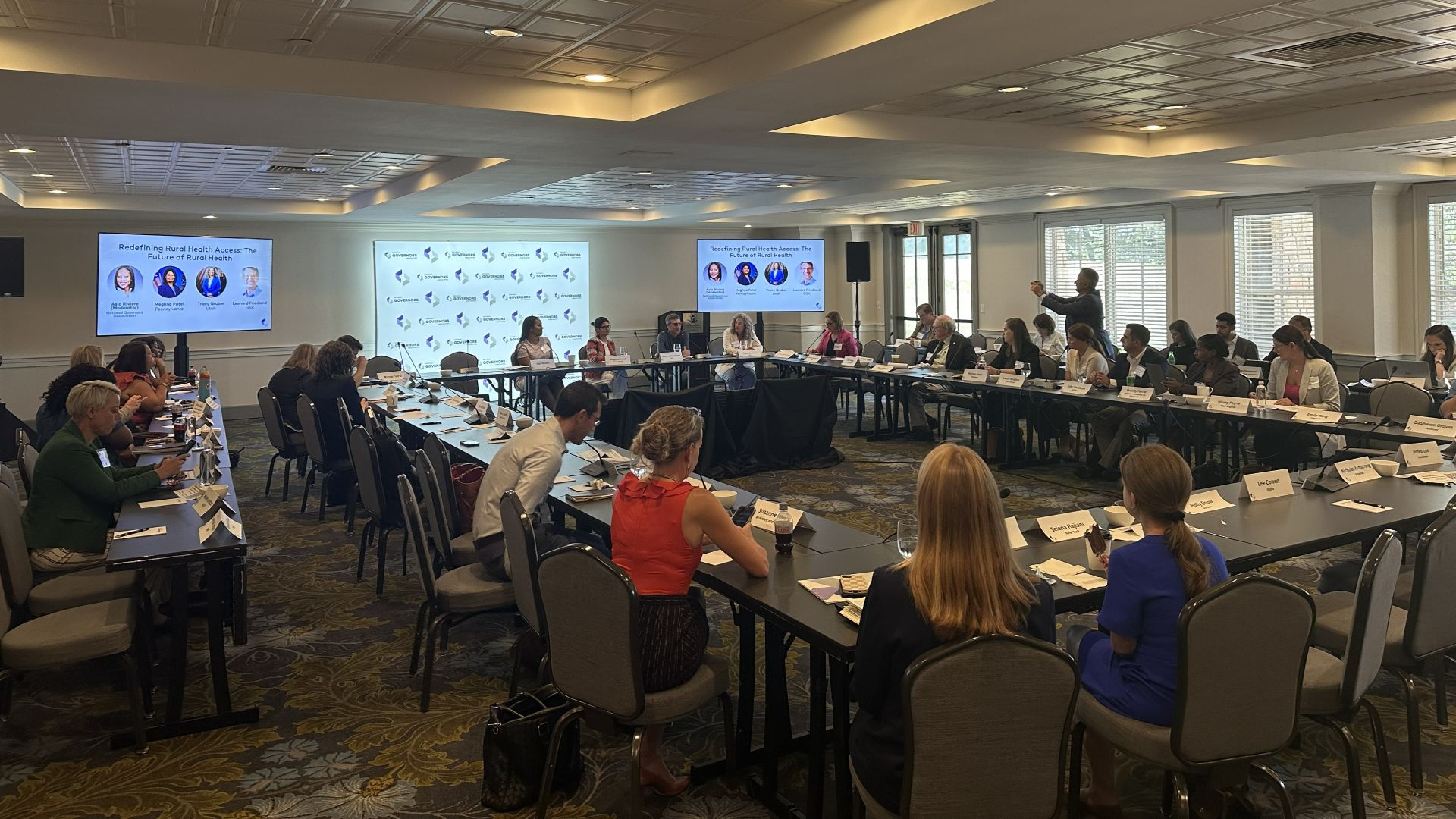
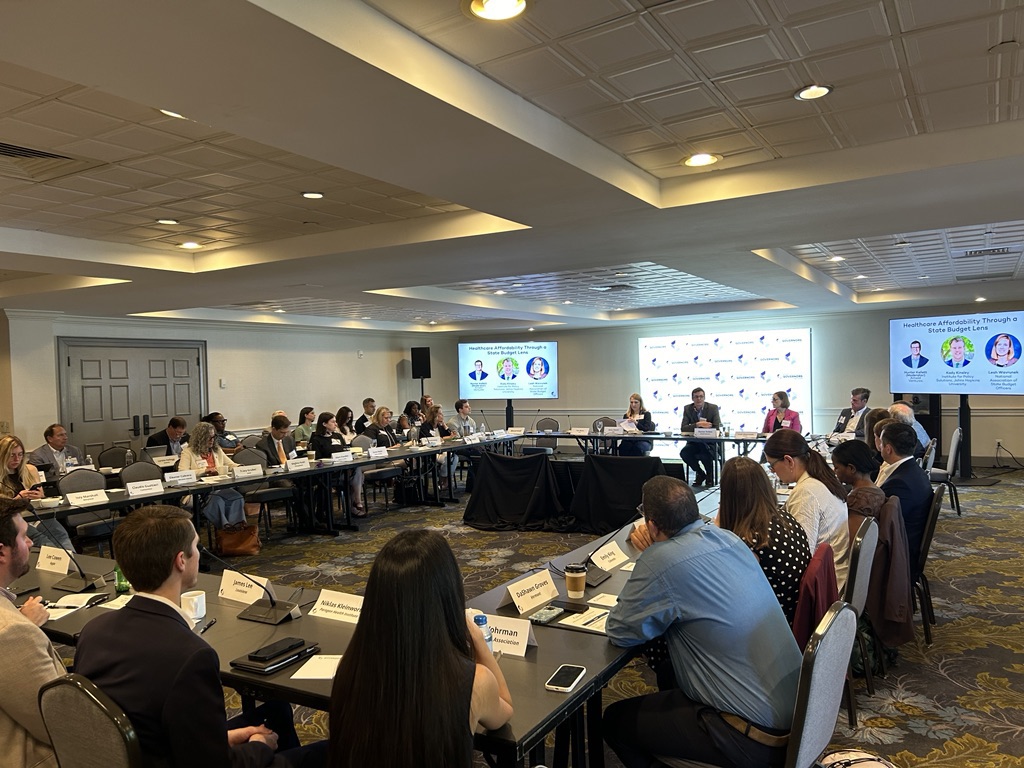
Recognizing the need to move from evidence to implementation, with funding from CDC, ASTHO, the National Governors Association (NGA) Center, and Safe States Alliance established the Strengthening Partnerships to Prevent Overdose Learning Collaborative — designed to help states translate shared priorities into coordinated action.