Nashville event hosts employers and workforce development leaders from across the nation to focus on job training and AI solutions
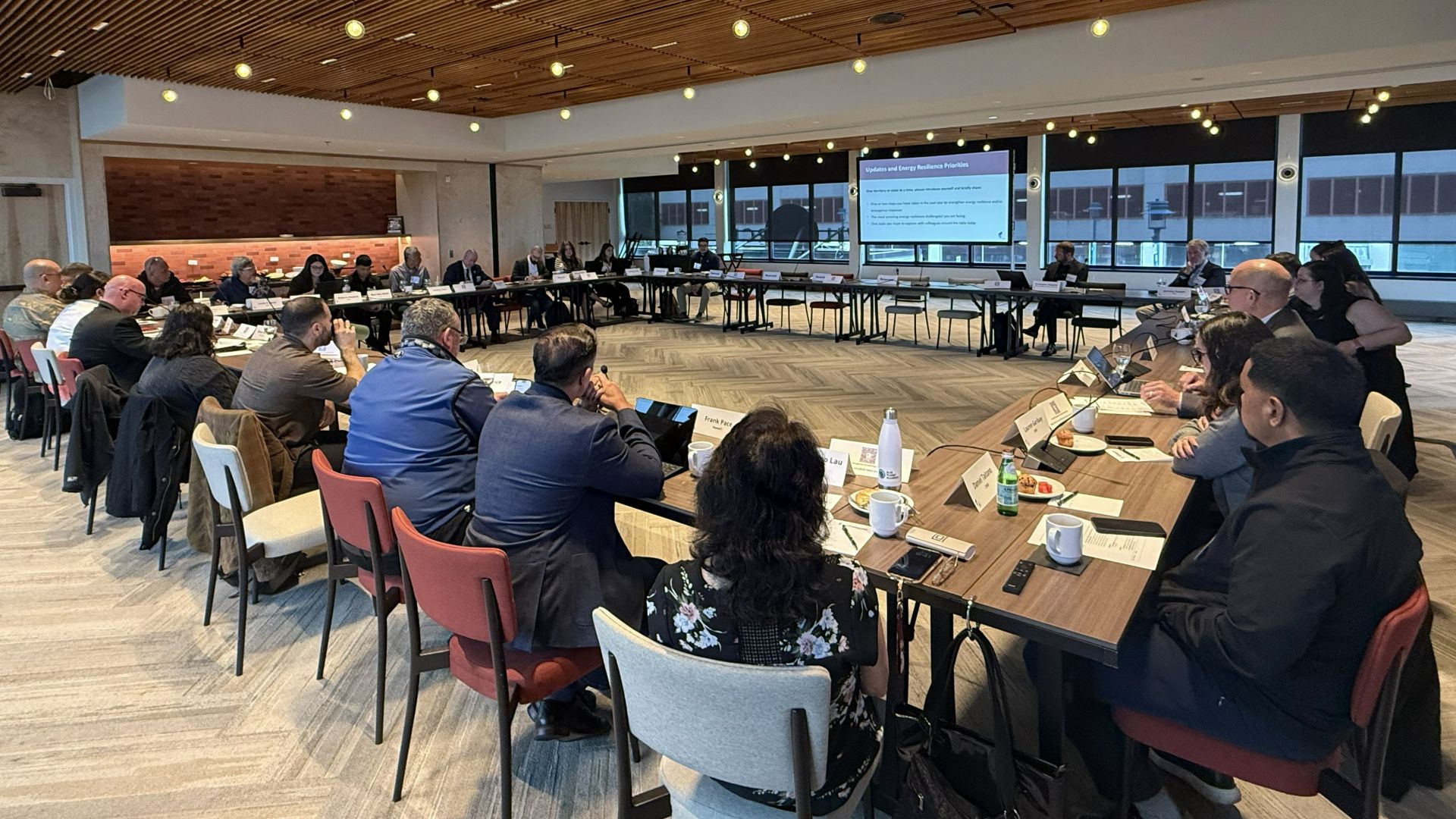
NASHVILLE – The National Governors Association (NGA) Workforce Development Policy Institute met this week in Nashville, bringing together governors’ workforce advisors from 40 states and territories. Across two days of conversations, participants examined forces shaping state labor markets, from the rapid diffusion of AI to the rollout of Workforce Pell, and explored governor-led solutions to prepare workers and businesses to thrive.
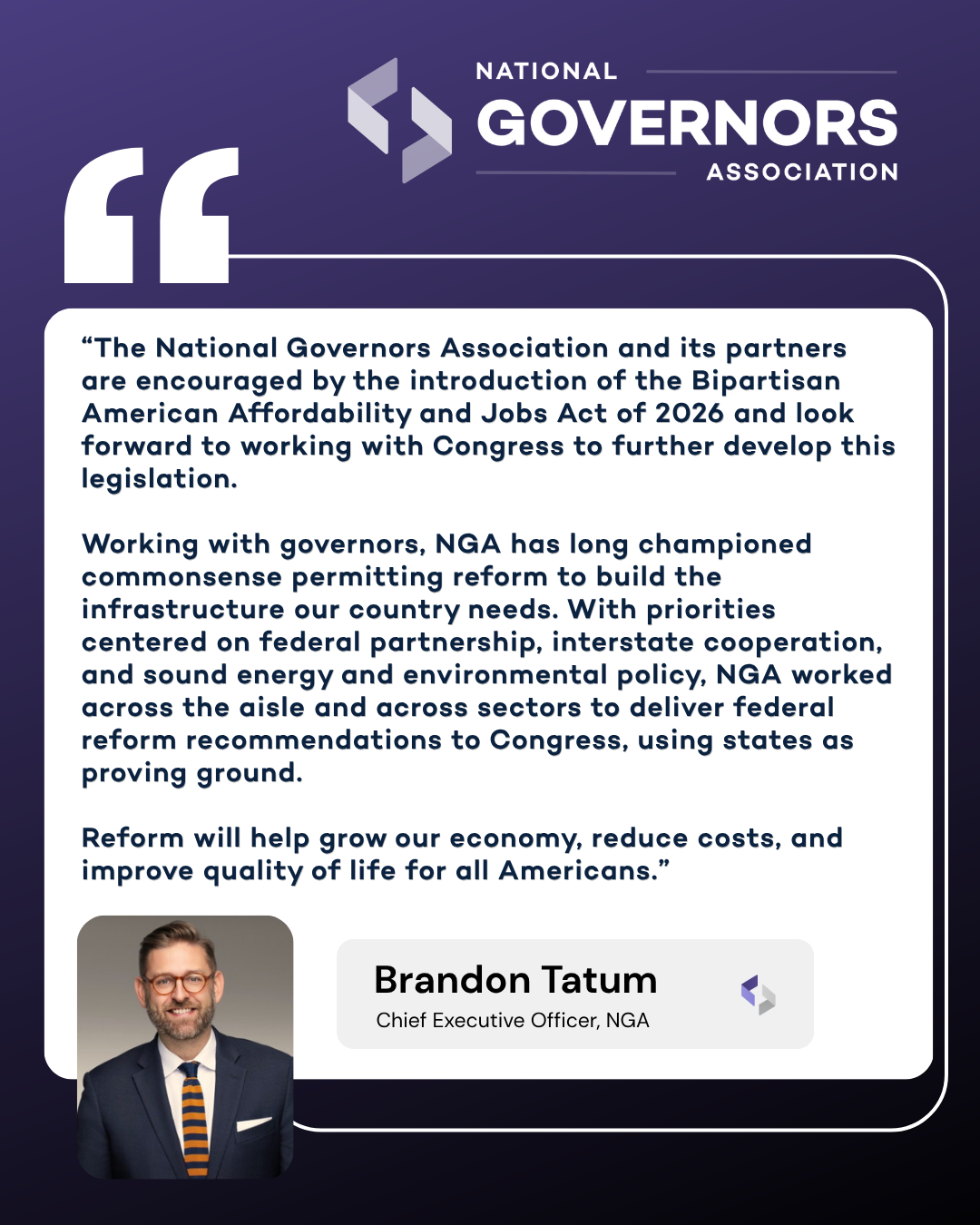
“Workforce development is about more than preparing Americans for a job — it’s about opening the door to a better future for families in every community,” said NGA CEO Brandon Tatum. “AI and other technologies are rapidly changing the economy, and it’s essential that we evolve workforce training at the same pace. Governors are taking the lead in building the skilled workforce that drives state economic growth and ensures America can compete and win in the global economy.”
“Global companies are choosing to invest in Tennessee because of our strong business climate, highly skilled workforce and exceptional quality of life,” said Gov. Lee. “Since day one, my administration has focused on ensuring Tennesseans have the skills they need to thrive by investing in vocational and technical education, strengthening partnerships with employers and recruiting new jobs. Together, these efforts are building a stronger workforce and creating economic opportunity in every corner of our state.”
In 2025, Gov. Lee established TNWorks, which unifies six state agencies under a common vision to streamline workforce and economic development initiatives and better serve companies relocating or expanding in Tennessee. Additionally, Gov. Lee expanded Tennessee’s Youth Employment Program (YEP), which connects young adults with paid work experience, career training, and local employers, including an $8 million dollar budget increase earlier this year. YEP surpassed expectations by placing 4,800+ youths in paid positions, each earning up to $4,000 while gaining career‑aligned experience. Through the Governor’s Investment in Vocational Education (GIVE), the Lee Administration has served 15,500 rural students and helped spark 41,500 new jobs as well as almost $19 billion in capital investment across rural Tennessee.
The NGA has long been a driver of innovative workforce development policy, strategic investment, and programming across states and territories.
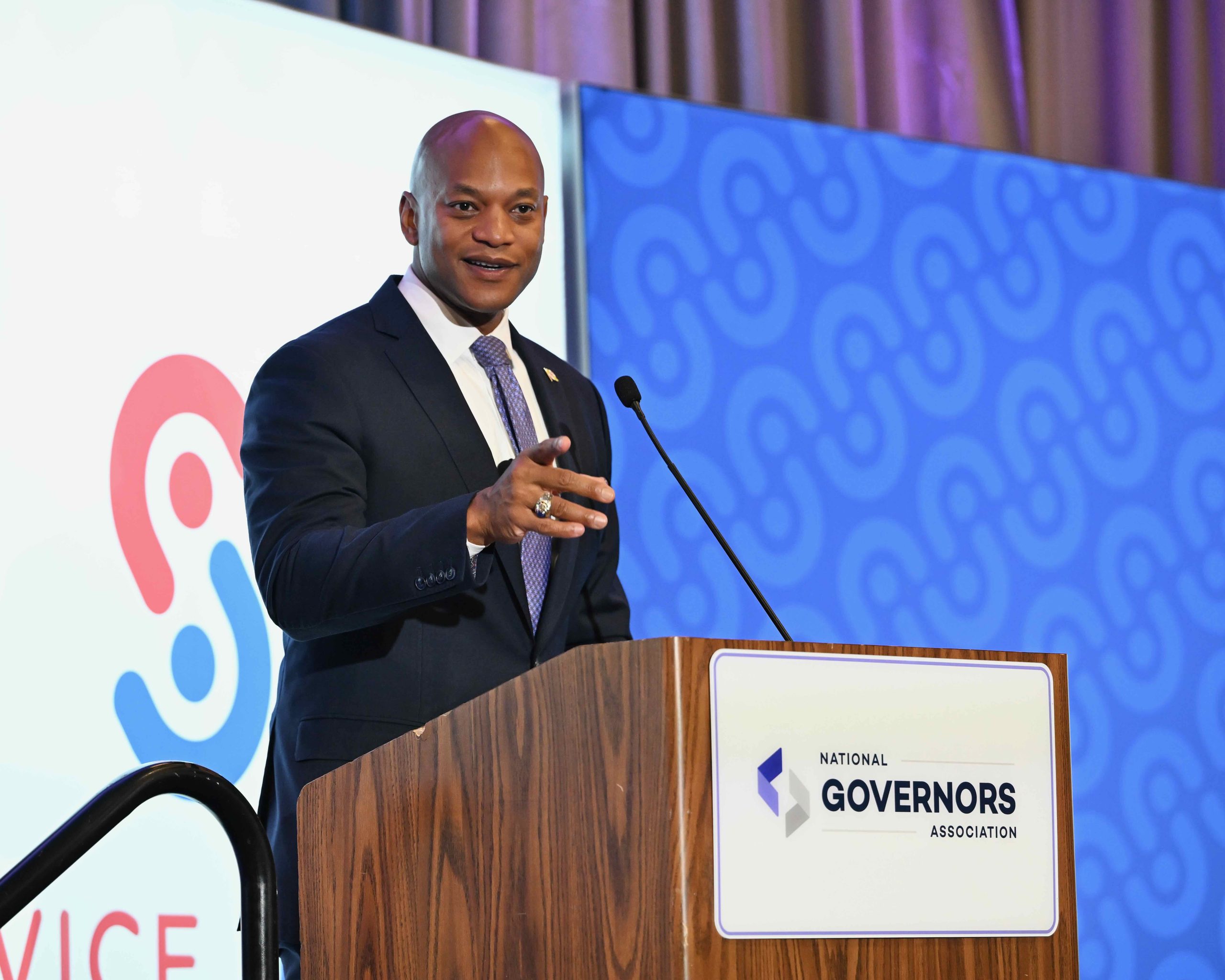
Last month, new NGA Chair Maryland Gov. Wes Moore launched Service United – a bipartisan campaign to support governors across the nation in developing state-based service programs that promote paid workforce and community development. Modeled upon Maryland’s first-in-the-nation public service year program, these programs put young people to work and help them build skills and connect them to employers. Maryland’s new partnership with RAISE US will expand Maryland’s Service Year Option pathways into sectors such as healthcare and education, launch a competitive fund for innovative career transition models, and create an accelerator that helps displaced workers pursue entrepreneurship.
Additional NGA programming continues to drill down on specific elements of workforce development. Events in 2026 so far include: Skills in the States Symposium, Workforce Pell Implementation Lab, SNAP Employment and Training Policy Academy, Winter Workforce Policy Institute, and NGA’s Annual Policy Summit. Earlier this year, NGA partnered with Harvard to release a study titled “Putting State Dollars to Work: How Governors’ Signature Investments Drive Workforce Transformation.”
Through the Workforce Development Policy Institute, governors’ policy advisors engage with subject matter experts across a variety of industries.
“Governors are important partners in strengthening talent pipelines for national security and resilience industries — including aerospace and defense, nuclear energy, critical minerals and cybersecurity,” said Brianna McCain, vice president, JPMorgan Chase PolicyCenter. “I was pleased to represent JPMorganChase in a discussion with state workforce and economic development experts on proven approaches to meeting these industries’ workforce needs and better aligning workforce and economic development strategies. These conversations are important to advancing practical solutions to the workforce challenges facing critical industries and supporting the goals of our Security and Resiliency Initiative — the firm’s $1.5 trillion, 10-year commitment to finance critical industries.”
“AI and automation aren’t replacing our workforce — they’re creating entirely new roles that didn’t exist at scale a few years ago,” said Amanda Willard, Global Workforce Development strategy lead at Amazon. “Amazon has invested over $1.2 billion in upskilling programs and committed an additional $2.5 billion through our Future Ready 2030 fund to prepare people for the jobs of tomorrow. But no single company can close the skills gap alone. That’s why convenings like this one matter — when employers and state leaders build together, we can move at the speed the economy demands and ensure workers aren’t left behind as technology advances.”
“States and employers are facing a defining workforce moment, one that calls for new levels of coordination, urgency and shared investment,” said Zoe Weintraub Barrett, head of Public Sector at Guild. “Guild is proud to work with regional workforce leaders across the country to turn these conversations into action by building programs that bring states, employers and training providers together to connect workers to high-demand career pathways. Together, we can create stronger outcomes for workers and more resilient state economies.”
The NGA also leads multiple projects to support governors in navigating workforce development challenges and opportunities driven by AI. Last month during NGA’s Summer Meeting, NGA announced a $1 million partnership to promote state AI policy development with RAISE US – a nonpartisan, national organization partnering with governors, employers, training partners and workers to help Americans make a successful transition to an AI economy. In January, the NGA launched a bipartisan Working Group on AI & the Future of Work, in partnership with Center for Civic Futures and McKinsey & Company. Comprised of governors’ advisors from more than 20 states, the working group is developing “A Roadmap for Governors on AI & the Future of Work,”set for release in November.
View these resources to learn more about NGA’s work to support governors’ workforce development priorities:
- Maryland Gov. Wes Moore Launches “Service United” Campaign to Bridge Community Divides and Promote Workforce Development with $10 Million in Philanthropic Support
- NGA, RAISE US Announce $1 Million Partnership to Promote States’ Efforts to Harness AI and the Future of Work
- Good Jobs, Strong States: How Governors Are Building Opportunity in 2026
- National Governors Association and Walmart Partner to Advance Skills-first Hiring and Workforce Development in States
- National Governors Association, Harvard Release Study on Governor-Led Workforce Solutions
- Recap: Winter 2026 NGA Workforce Development Policy Institute
- NGA Helps States Prepare for Workforce Pell Rollout and Future of Workforce Implementation
- Service as a Pathway to Economic Opportunity: A Roadmap for Governors