Temporary Assistance for Needy Families (TANF) is a flexible block grant for states and territories to help fund a wide range of benefits and services for low-income families. As TANF reaches its 30-year anniversary this month, it provides an opportunity for states and territories to reflect on how they use TANF funds to support a broad spectrum of initiatives, and how they can lead the way on program reform.
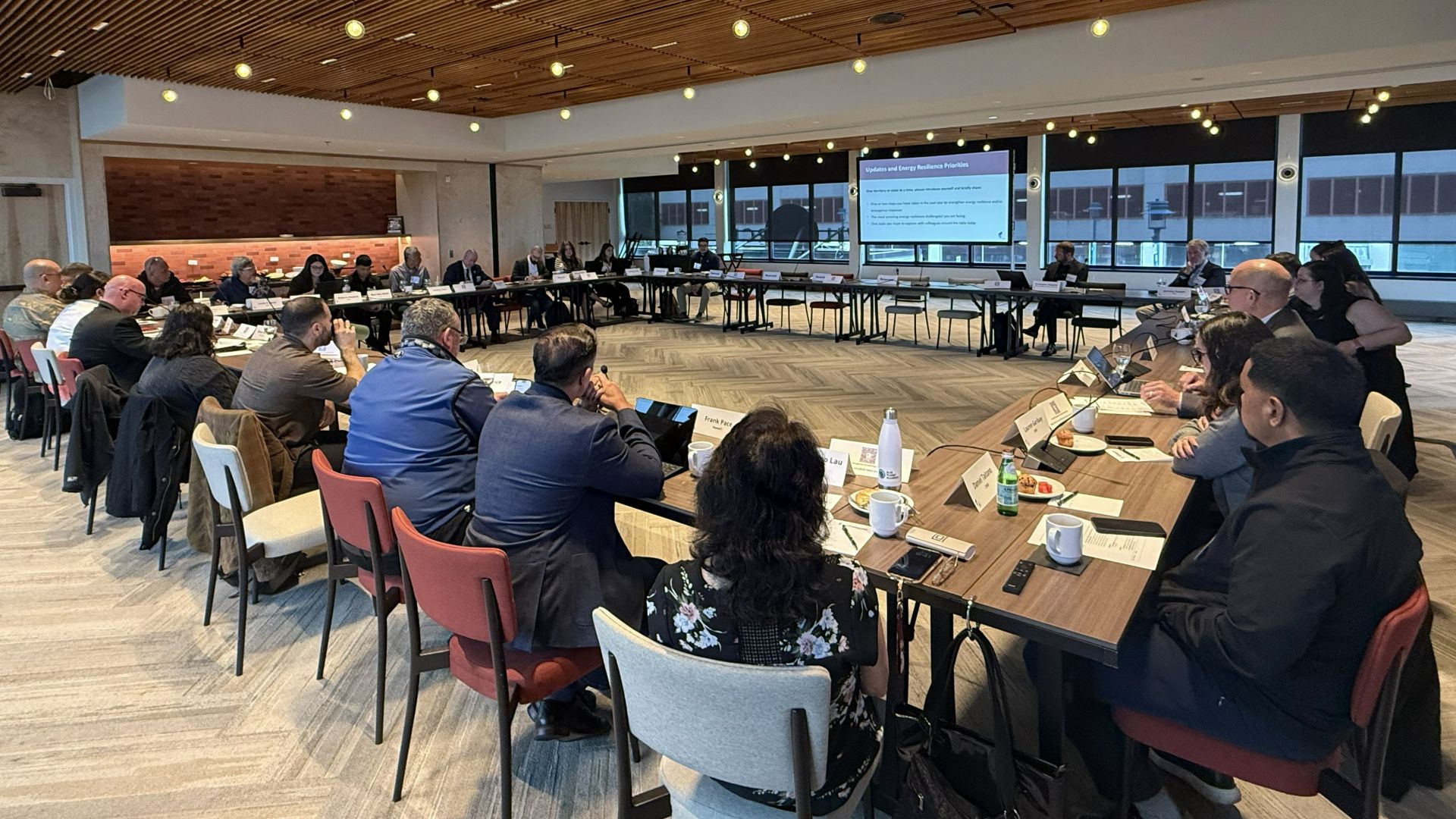
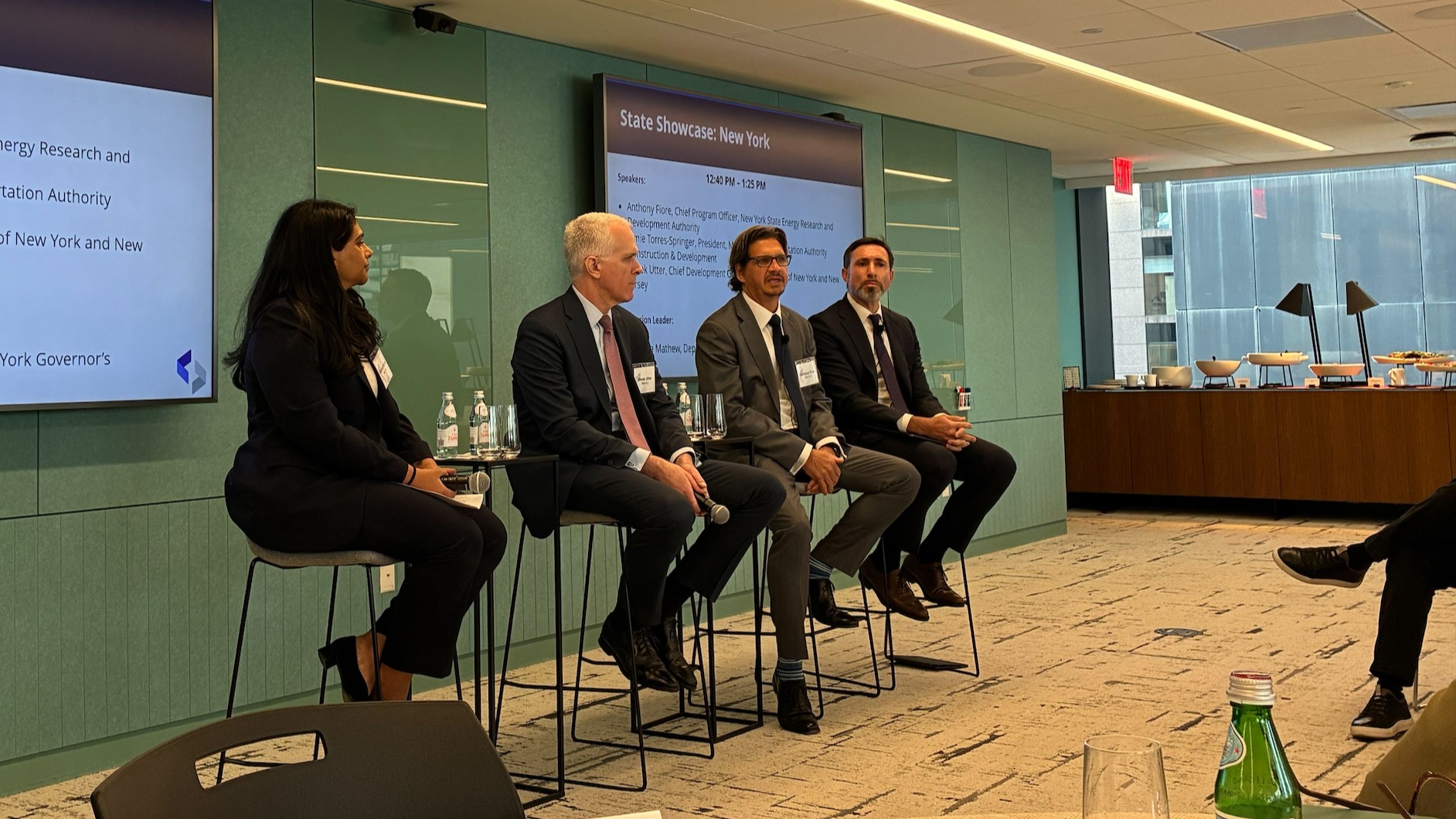
On August 26th, the NGA Children & Families team convened Human Services Policy Advisors to discuss how states and territories are investing TANF funding and how Governors can use the program to advance anti-poverty and economic mobility priorities. The conversation focused on how Governors can build and leverage partnerships to increase TANF capacity, sustain funding amid fiscal uncertainty, and shift toward outcomes-focused program metrics. The discussion featured a state spotlight from Arkansas.
Speakers
- Morgan Warbington, Director of Faith-Based Initiatives and Special Projects, Office of Governor Sarah Huckabee Sanders
A recording is available here. Please contact the NGA Children & Families team for the password.
Key Takeaways
- Partnerships between human services agencies, workforce agencies, and community programs can extend TANF’s reach and strengthen service delivery. Non-profits and other community organizations often have a deeper understanding of community needs and can help center the people in the client-services model. While states and territories are well-positioned to administer programs and benefits, community partners provide relationship-centered support that help families navigate services and achieve long-term stability.
- TANF funding sustainability is a shared concern heading into a tighter fiscal environment. After increased program spending during the pandemic, including lifting work requirements and removing sanctions for non-compliance with work requirements, states and territories are projecting program shortfalls and re-evaluating budgets.
- States are shifting toward outcomes-based performance measurements. Moving away from measuring the number of families served and towards work participation and other outcome measures can help states and territories more accurately capture program impact.
State Spotlight
Arkansas: 10:33 Initiative
Presented by Morgan Warbington, Office of Governor Sarah Huckabee Sanders
Arkansas’s 10:33 Initiative partners with Restore Hope, a nonprofit recognized for high reunification rates, to unify resources from state agencies, educational institutions, private employers, and community organizations into one central client-centered hub. Local case managers work with participants for at least twelve months to help them navigate the continuum of resources geared toward stability and employment outcomes. Arkansas’s model grew out of a hard-on-crime initiative that drove sharp increases in foster care placements and prison populations, prompting the state to invest in a community-based alternative. The 10:33 initiative reflects Arkansas’s view that states miss out on a wide range of resources for needy families when they don’t partner with nonprofits and community-based organizations.
Key Takeaways from Arkansas’ presentation:
- TANF can be used to fund pilots that are later scaled with supplementary funding. After using TANF funds to demonstrate the success of long-term, deep-level case management, $6 million in general revenue funds and additional philanthropic support helped to scale the program to serve more individuals and families.
- Onboarding state agency and community service information into one central hub helps clients and case managers interact with the network of support services available to them. A single information hub of community providers, school districts, nutrition services, mental health supports, and state agencies helps clients see the map of comprehensive services and cuts the back-and-forth from families trying to navigate these services independently.
- Centralized data delivers comprehensive case management. Hope Hub integrates data from participating nonprofits and tracks client activity in real time, such as meetings with parole officers or employment outcomes. Separately, all 15 state agencies feed into Arkansas LAUNCH, the state’s workforce data system. Arkansas built a longitudinal data hub connecting these two platforms so they can communicate with one another, enabling continuous case management that follows a client from crisis through to career.
This summary was developed by Grace Burns, Policy Analyst for the Children & Families team.