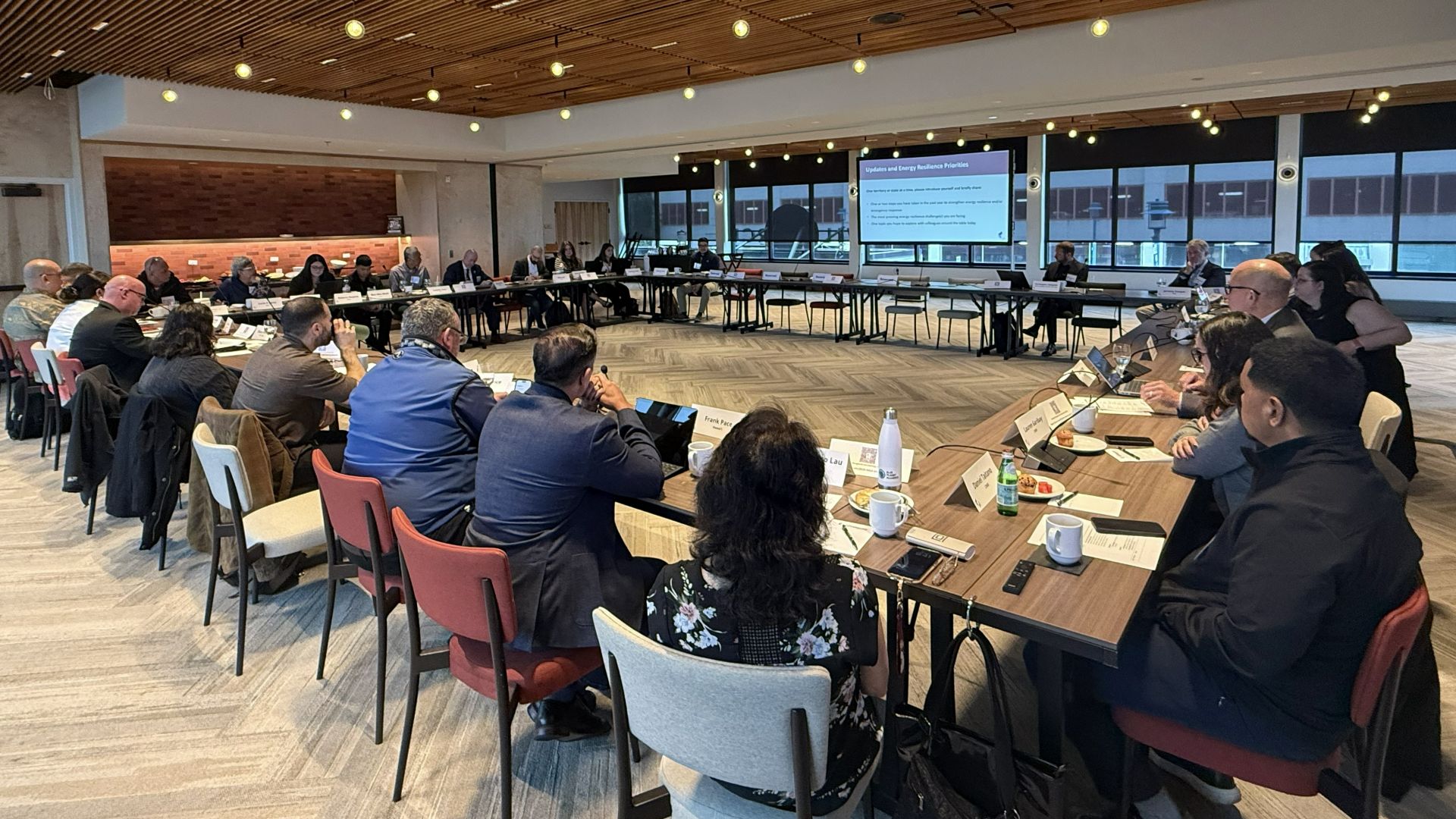
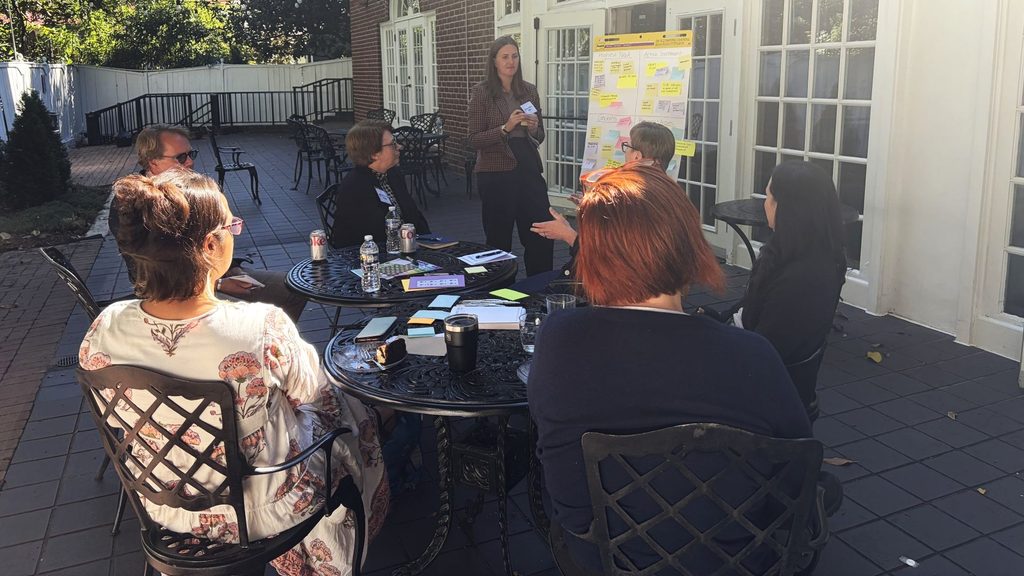
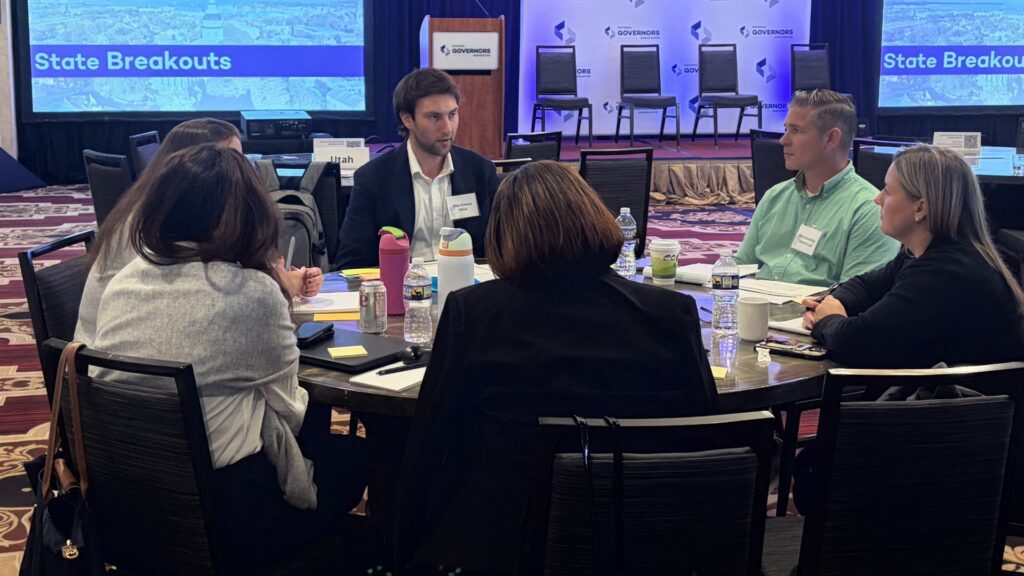
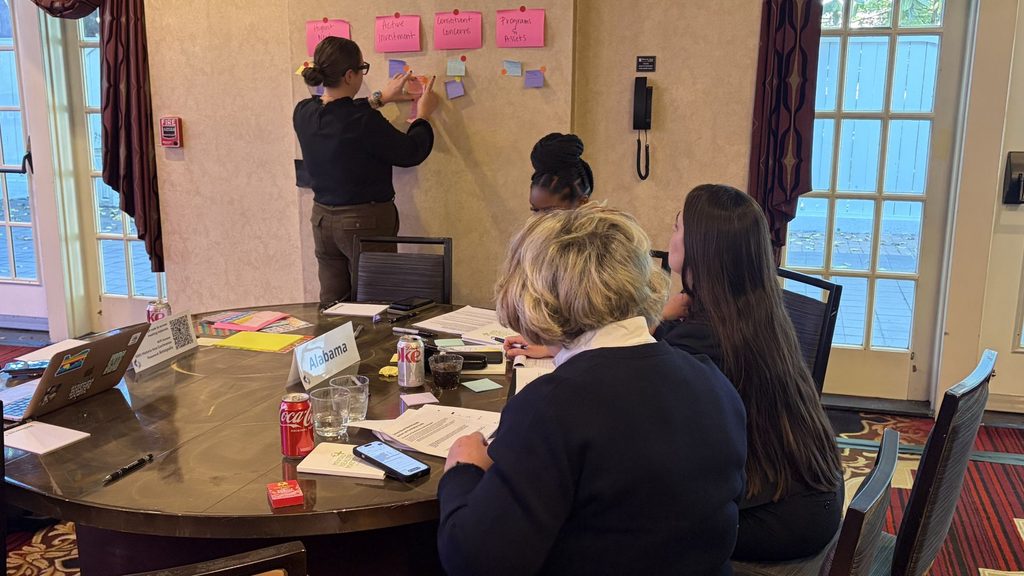
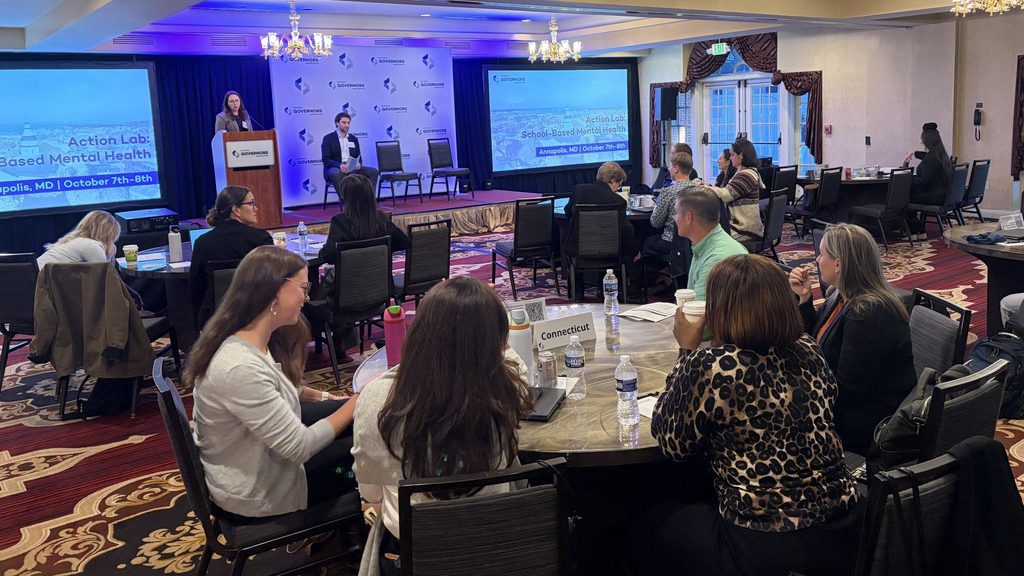
Cross-agency teams from five states convened in Annapolis, Maryland, Oct. 7-8, for NGA’s second Youth Mental Health Action Lab focused on strengthening approaches to addressing the youth mental health crisis in schools. Developed in partnership with Inseparable and building on the first Action Lab in the series, the convening brought together state leaders to learn from national experts and their peers about the role of schools in the youth mental health landscape.
Sessions examined core pieces of effective school-based mental health ecosystems, including:
- The landscape and the role of schools: The latest youth mental health data and why schools are among the most effective places to connect young people to care.
- Building the workforce: Strategies to grow and sustain school-based behavioral health professionals, from licensure requirements to new training and supervision pathways.
- Serving youth with the highest needs: Models for supporting students with high needs, including those returning to school after hospitalization or residential treatment.
- Sustainable financing: A walkthrough of Medicaid billing, managed care, community provider and other funding mechanisms states can use to fund and sustain services.
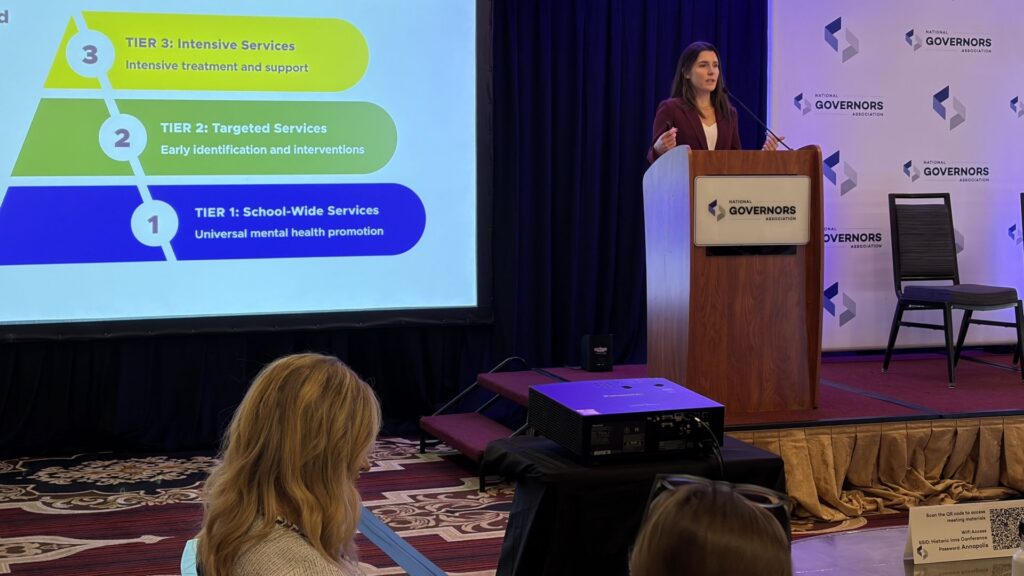
- Coordinated school supports: How states are investing across all three tiers of support, from universal screening to integrated school-community partnerships.
Topical table discussions and three facilitated state team breakouts gave participants time to apply these lessons to their own context and set goals for the next year.
Panels and Content
The event kicked off with welcome remarks from Caitlin Hochul, Vice President of Public Policy with Inseparable, provided a foundational framework for the current state of school-based mental health, sharing how the larger youth mental health landscape underscores the need for strong school-based support.
The first panel on Building a Workforce to Meet the Need featured John Crocker of the Massachusetts School Mental Health Consortium and Dr. Kelly Valliancourt-Strobach of the National Association of School Psychologists. Panelists shared thoughtful, actionable insights to overcome barriers to building a sustainable school-based behavioral health workforce, including increasing clinical supervision available to budding staff and hiring administrative support to reduce the burden on existing providers.
The second panel highlighted strategies on Serving Youth with the Highest Needs, and featured presentations from Patricia Tilley of the New Hampshire Department of Human Services, Paul Hryry-Smith of the bryt Program at the Brookline Center for Community Mental Health, and Dr. Lauren Henry of Children’s Hospital Colorado. The panel provided an in-depth look at three different types of high-acuity support: strengthening wraparound supports for families, increasing in-school Tier III supports, and bringing education into different provider settings, like hospitals.
Sarah Broome, a school-based mental health consultant with Inseparable, presented on Sustainably Financing School-Based Youth Mental Health Services. Her presentation helped visualize the cost-benefit analysis of traditional and unconventional financing solutions across school-based Medicaid, community provider services and options beyond Medicaid.
The final panel on focused on Coordinated School Supports to Strengthen Youth Mental Health. Speakers for the session included Mark Luckner of the Maryland Community Health Resources Commission, Kayleigh Brown with the Rural Behavioral Health Institute and Dr. Mark Weist from the University of South Carolina. This session covered the broad investment in the three tiers of school-based services and opportunities for coordination across sectors.
What States Are Taking Home
In closing presentations, state teams surfaced several common priorities:
- Sustainable funding: Expanding funding streams for school-based services, including increasing Medicaid billing to support school districts.
- Prevention and early intervention: Advancing universal mental health screening and professional development that helps school staff identify needs earlier.
- Statewide standards and infrastructure: Working toward consistent standards of care and comprehensive school mental health systems across districts.
- Coordination and communication: Strengthening collaboration across state agencies, keeping leaders in governors’ offices engaged as champions and sharing what they learned with colleagues who could not attend the convening.
- Data and transitions: Improving data quality and better connecting students to community services as they return from residential or hospital care.
- Peer learning: Connecting with other states, including the host state of Maryland, to learn from models that are already working.
The Youth Mental Health Action Lab series will continue in early 2027 with a final convening. For more information, please contact Jess Kirchner.