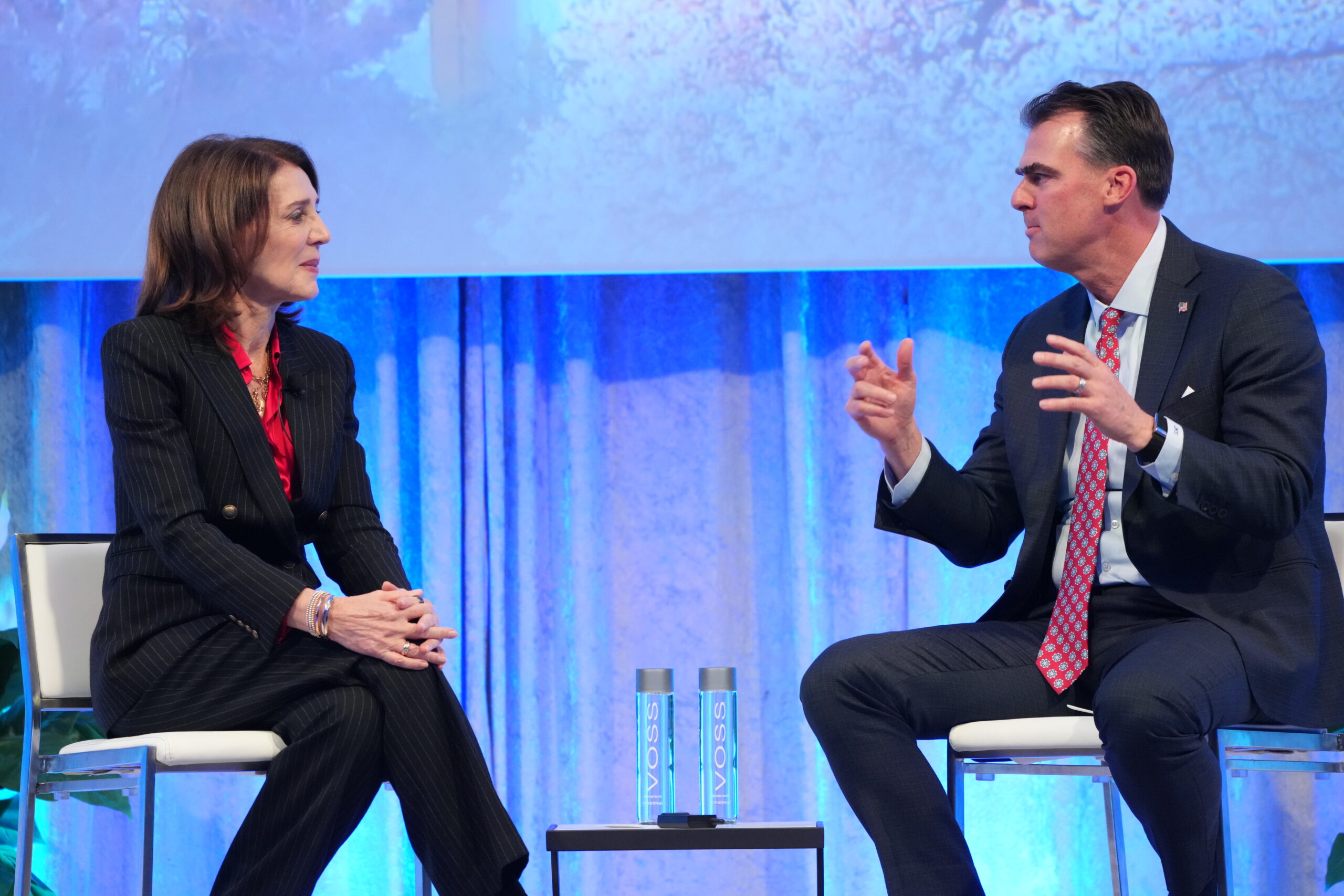

Governors play a critical role in maintaining the nation’s homeland security and are responsible for protecting people, property and businesses within their respective states and territories. This year, Governors and their administrations have advanced policy priorities to prepare and respond to a variety of events – from natural and human-made disasters to disease outbreaks, acts of terrorism and the significant increase of cyber-attacks. Of particular focus of efforts this year, Governors have been working to address aircraft systems (UAS) and emergency management. The following examples reflect some of the work Governors and the National Governors Association (NGA) have led in 2025 to prioritize homeland security and public safety.
Governors Engage with Congress, Focusing on Drone Threats and Natural Disasters
Governors have been leading efforts to develop strategic policies to address UAS, a policy issue that has required close collaboration between federal, state and territorial governments. While UAS can be a valuable tool, supporting both commercial and government functions, they can also pose a serious threat in the wrong hands. In September, a bipartisan group of Governors wrote Congressional leaders regarding the “increasing threat posed by Unmanned Aircraft Systems (UAS) to our nation’s critical infrastructure and public safety. The recent incidents of drone intrusions over sensitive sites and high-profile events underscore the pressing need for robust legislative action to address these vulnerabilities and enhance security.”
In October, Louisiana Governor Jeff Landry and North Carolina Governor Josh Stein wrote an op-ed published in The Hill to reiterate Governors’ calls for Congress to address increasing threats posed by malicious drones. Governors Landry and Stein noted “operators of unauthorized drones are endangering public safety and critical infrastructure right here, right now. States have witnessed numerous intrusions over energy infrastructure, public events, prisons and military bases — presenting real, potential threats to public safety.”
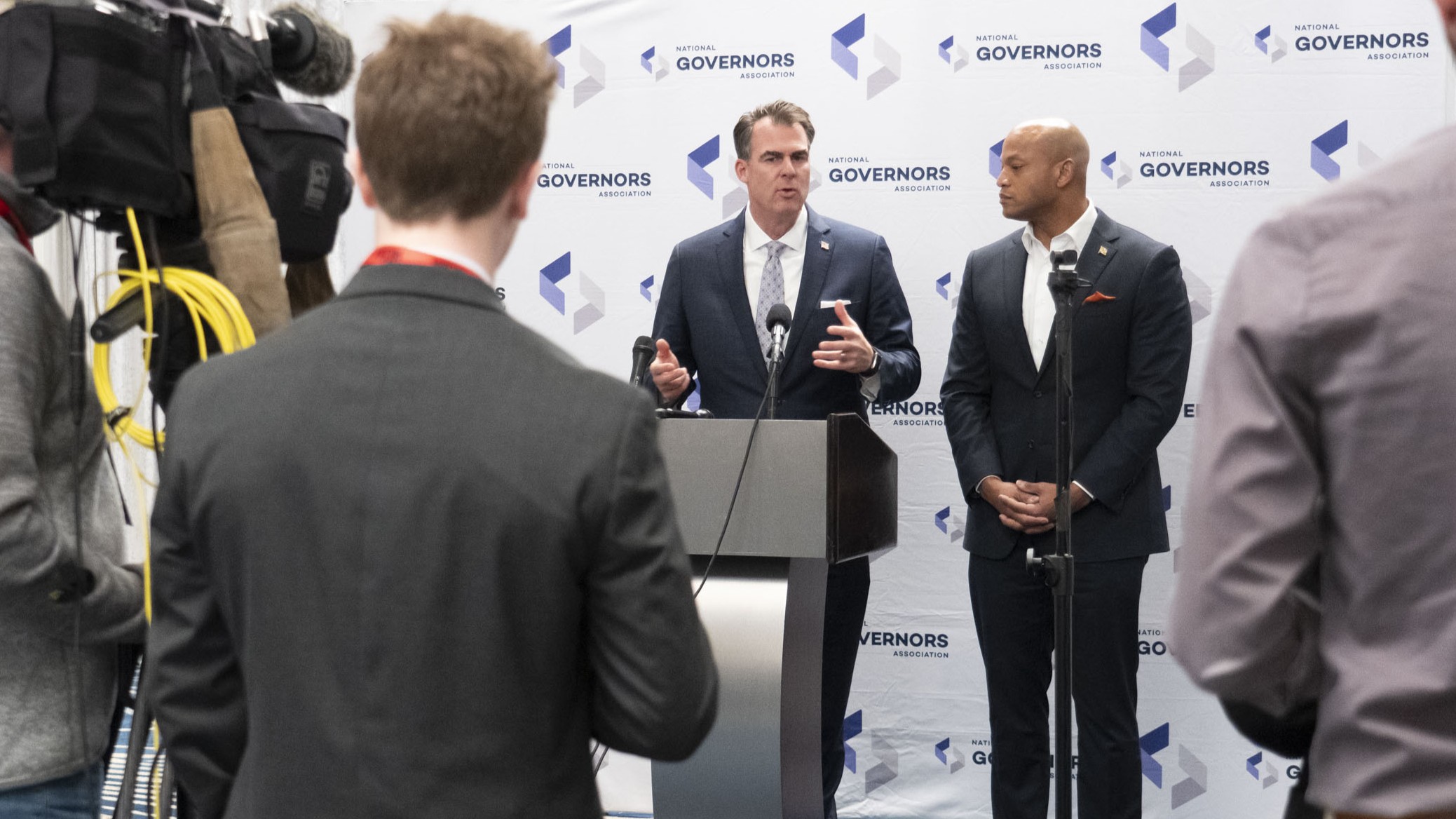
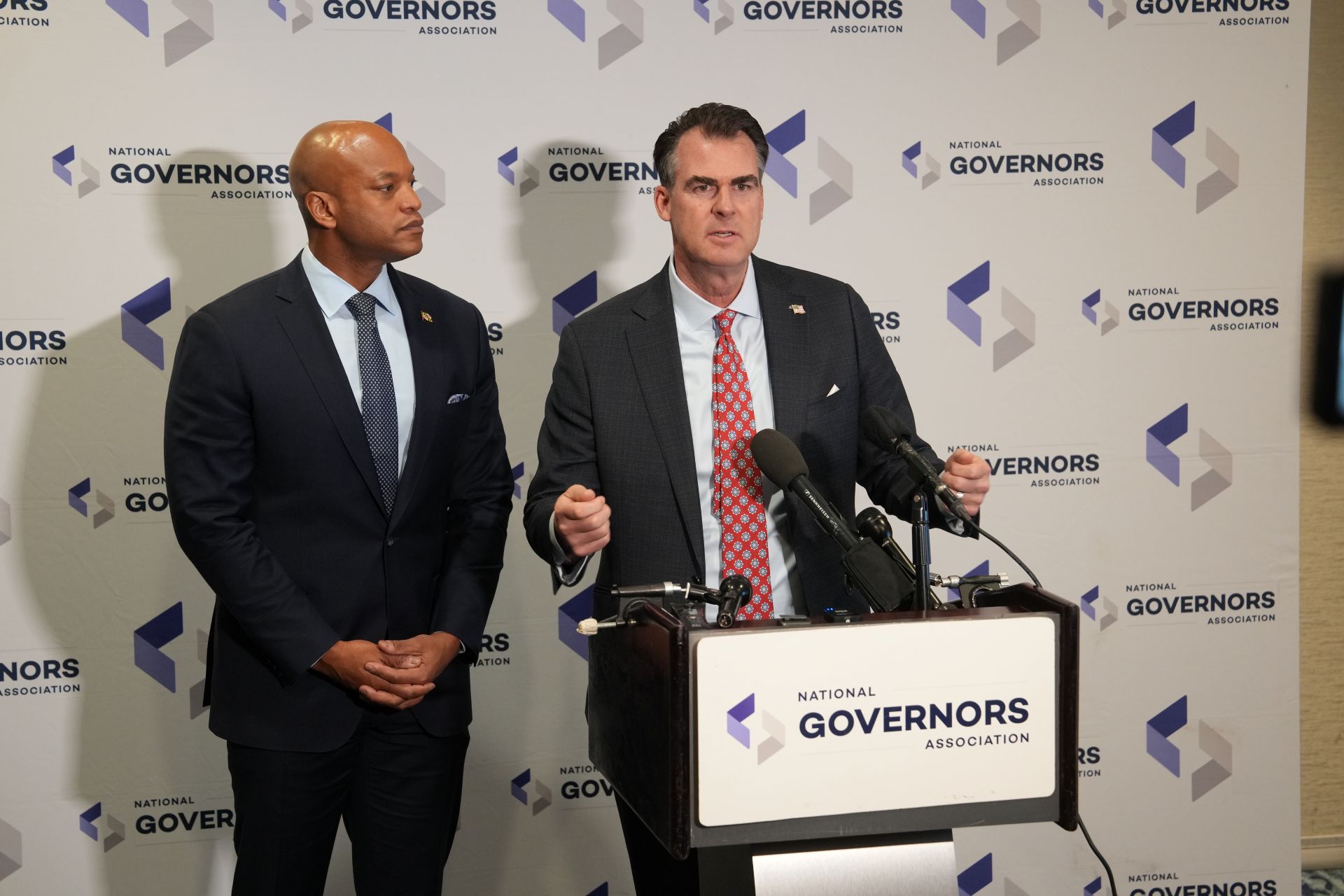
In December, NGA Chair Oklahoma Governor Kevin Stitt and Vice Chair Maryland Governor Wes Moore issued a statement welcoming inclusion of the Safer Skies Act in the National Defense Authorization Act (NDAA). The language – a key priority for Governors – authorizes trained and certified state and territorial law enforcement and correctional officers to address the threat of nefarious drones in coordination with key federal agencies.
Governors also routinely coordinate and work with federal leaders on issues related to homeland security, especially when responding to natural disasters. This year, Governors identified enhancing emergency management as a top bipartisan priority and have worked to advance these efforts. For example, Missouri Governor Mike Kehoe and North Carolina Governor Josh Stein, Co-Chairs of the NGA Pubic Health and Emergency Management Task Force, wrote Congressional leaders “to express our appreciation for the Transportation and Infrastructure Committee’s bipartisan action on the Fixing Emergency Management for Americans (FEMA) Act. Governors share a strong interest in working with Congress, the FEMA Review Council, and the Administration to achieve meaningful improvements that strengthen the nation’s ability to prepare for, respond to, and recover from natural disasters and other emergencies.”

Governor Josh Stein
North CarolinaCouncil of Governors Prioritizes Homeland Security
This year, the bipartisan Council of Governors (COG) convened at NGA’s Winter and Summer Meetings. Ten Governors serve on the council that was established by Section 1822 of the National Defense Authorization Act of 2008. The COG works with federal officials to address issues relating to the National Guard; national security; homeland defense; and disaster preparedness, response and recovery.
In April, the COG sent a letter to Department of Homeland Security Secretary Kristi Noem “to discuss reforms to the Federal Emergency Management Agency (FEMA) and to reaffirm our dedication to working together to ensure it delivers meaningful, effective relief to those impacted by natural disasters.” The COG later shared recommendations with Secretary Noem outlining potential reforms.
The COG also prioritized UAS in its work this year. In July, the COG sent a letter to Department of Defense Secretary Pete Hegseth and Secretary Noem regarding “the increasing threat posed by the malicious use of unmanned aircraft systems.” Governors shared actionable recommendations with federal agencies over the summer and continue to work to advance state-federal coordination in protecting against these threats.
NGA released overviews of the COG’s 30th Plenary Meeting, held during the 2025 NGA Winter Meeting, and the 31st Plenary Meeting, held in July in conjunction with the 2025 NGA Summer Meeting.
North Carolina Governor Josh Stein and Virginia Governor Glenn Youngkin currently serve as Council of Governors Co-Chairs. Other council members include: Florida Governor Ron DeSantis, Georgia Governor Brian Kemp, Louisiana Governor Jeff Landry, Maryland Governor Wes Moore, Michigan Governor Gretchen Whitmer, New York Governor Kathy Hochul, Pennsylvania Governor Josh Shapiro and South Carolina Governor Henry McMaster.
NGA Hosts Convenings for Governors’ Advisors
Beyond advocacy efforts, NGA has supported Governors’ advisors by hosting convenings for the advisors who work on issues related to criminal justice and public safety.
The Governors Homeland Security Advisors Council (GHSAC) met in April in Washington, D.C., with more than 90 participants from 40 states and territories. The GHSAC also met in September, bringing together more than 65 participants from 35 states and territories. These meetings serve to inform and shape national homeland security policy; keep Governors abreast of the current threat environment and the impacts of federal homeland security legislation, regulations, and policies; and share and promote best practices related to homeland security activities. During the April meeting, Governors’ Homeland Security Advisors were able to engage with Secretary Noem on issues related to responding to disasters and countering threats from drones. During the September meeting, Governor’s Homeland Security Advisors discussed cybersecurity coordination across the public and private sectors with Acting Cybersecurity and Infrastructure Security Agency Director Gottumukkala.
In June, NGA hosted the Governors’ Legal Counsel Convening in Coronado, California. The event brought together Governors’ chief legal counsel, general counsel, and deputy legal counsel to discuss a variety of legal and policy issues, hear from national legal experts, and share best practices. NGA also hosts monthly briefings for Governors’ Legal Counsel. The monthly briefings serve as an opportunity to provide updates about many issues related to public safety, such as considerations for states related to artificial intelligence.
In November, NGA hosted Governors’ Cybersecurity Policy Advisors in Washington, D.C. Around 100 participants, including representatives from at least 20 states and territories, attended this event focused on strengthening connections within the Cybersecurity Policy Advisors Network, sharing best practices on increasing cyber resiliency and maturity, and fostering collaboration across states and with federal partners and private industry.
NGA hosted monthly briefings for Governors Criminal Justice Policy Advisors and bi-monthly briefings for the Consortium of Public Safety Executives. These briefings serve as a forum for discussion on issues of public safety and criminal justice, for states to share best practices and to foster cooperation.
NGA Joins Governors to Observe National Preparedness and Cybersecurity Awareness Months
Governors routinely support national awareness campaigns to help raise public awareness about public safety issues. NGA amplifies many of these campaigns, including the annual September observance of National Preparedness Month and the October observance of National Cybersecurity Awareness Month. NGA released commentaries looking at ways Governors promote disaster and emergency readiness among individuals, families and communities and encourage individual Americans as well as organizations, businesses, and state and local governments take proactive digital safety measures that help protect the nation from cyber threats.

Governor Mike DeWine
OhioBy focusing on well thought out ways to engage Congress and develop strategic state programs and policies that can address public safety needs – including responding to natural disasters and implementing sound polices related to cybersecurity, among others – Governors continue to ensure the safety of the residents of their states and territories. Bookmark NGA’s Homeland Security & Cybersecurity and Public Safety & Legal Counsel pages for updates and analysis about the policies states will advance in 2026 and beyond.