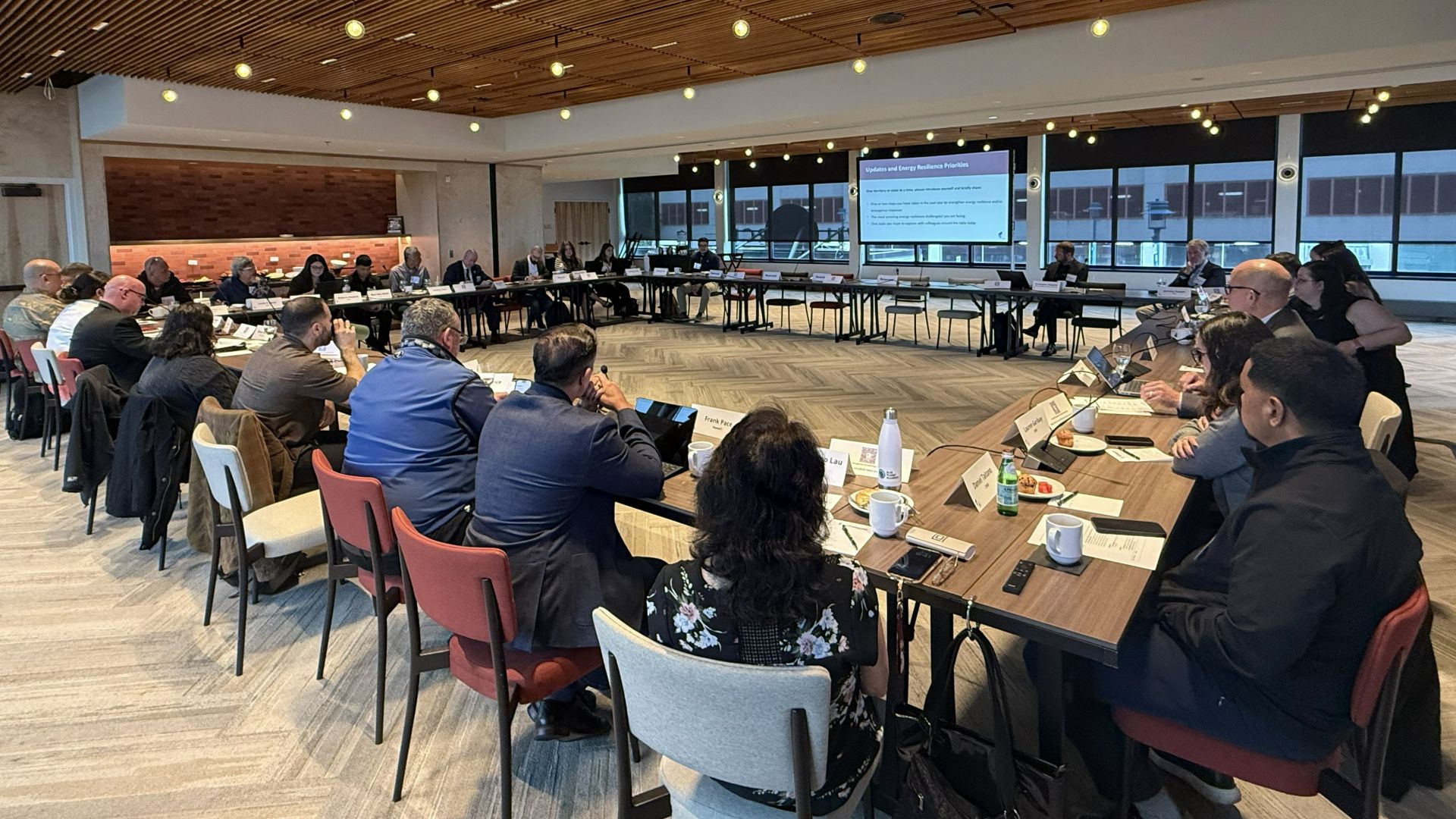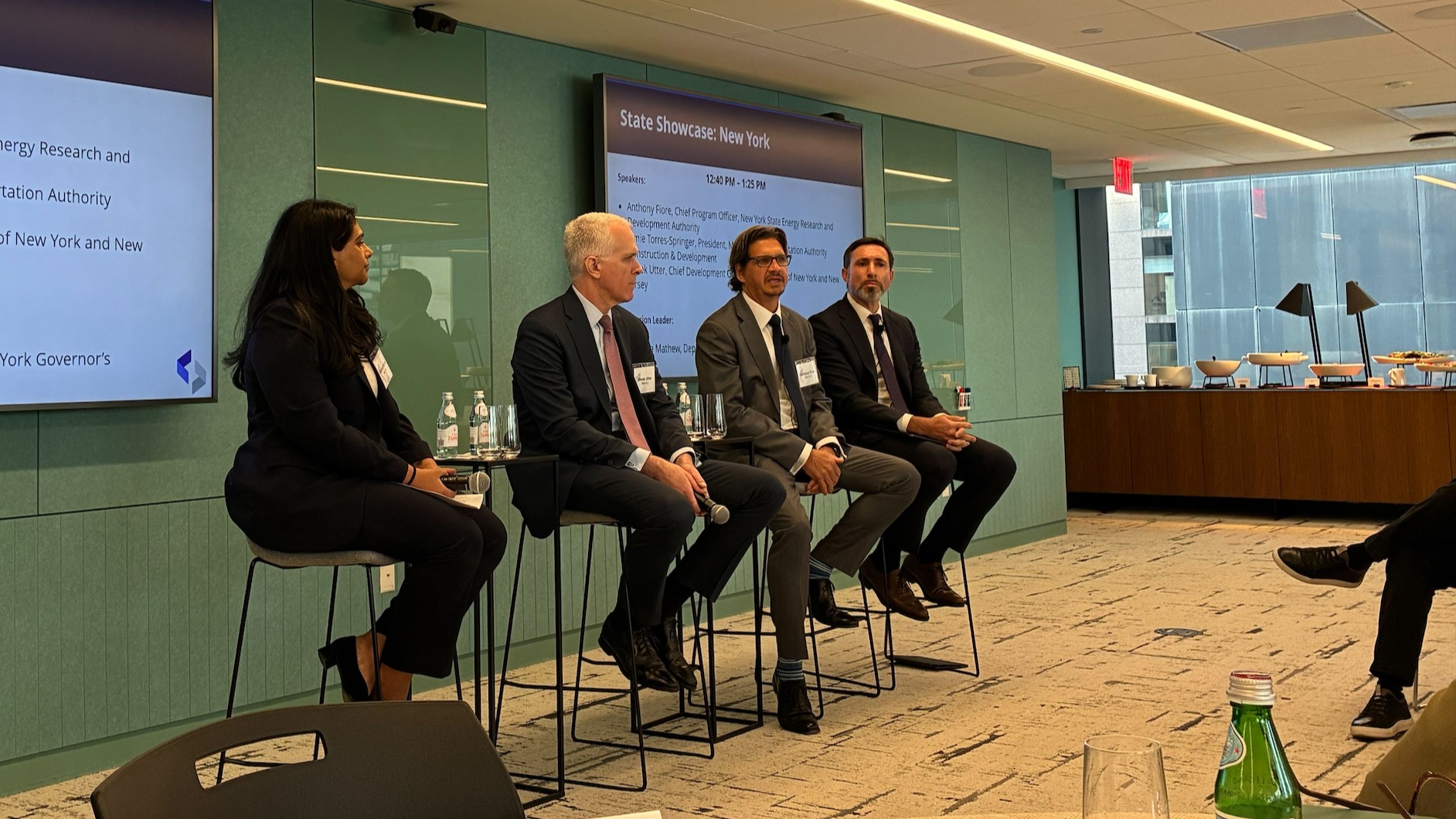
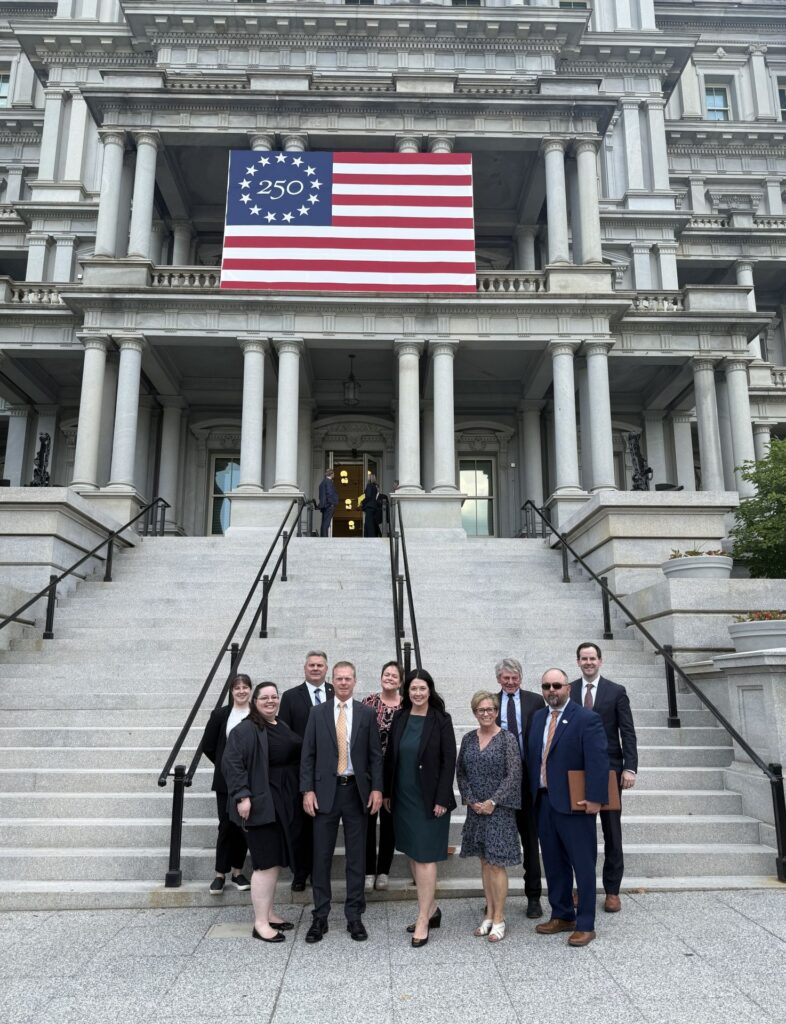
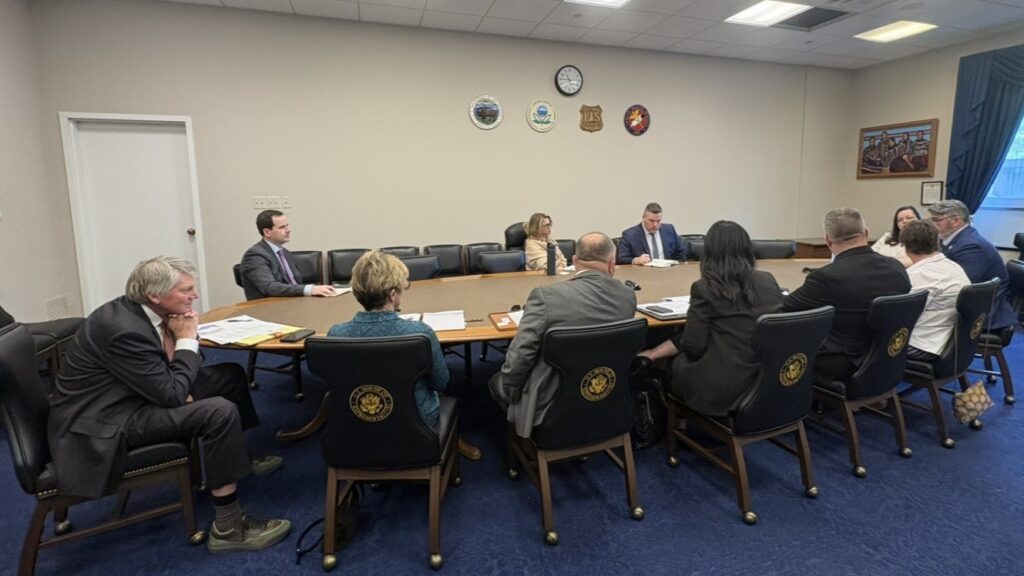
The Governors Homeland Security Advisors Council (GHSAC) executive committee met May 19-20, in Washington, D.C., with key members of the federal executive and legislative branches to advance discussions on a number of important aspects related to the nation’s homeland security enterprise.
The GHSAC executive committee had the opportunity to meet with Rep. Matt Van Epps, R.-Tenn., who is a member of the House Committee on Homeland Security, as well as with key congressional staff members from both sides of the aisle in the Senate and House Appropriations Homeland Security Subcommittees, the Senate Homeland Security and Government Affairs Committee, and the House Committee on Homeland Security. In addition, the GHSAC executive committee was able to meet with members of the National Security Council, Department of Homeland Security and the Federal Bureau of Investigation.
Some of the topics discussed during these meetings include:
- The value of federal homeland security grants in bolstering state* and local preparedness and response capabilities as well as the direct role they play in advancing the federal national security mission;
- The future of federal/state/local coordination in countering the threats posed by nefarious drones and protecting legitimate air traffic;
- The importance of information sharing among state, local and federal agencies to identify and address potential threats;
- The ways states are working with localities and critical infrastructure to strengthen cybersecurity and the role that key federal resources, including CISA field personnel and the State and Local Cybersecurity Grant Program, play in those efforts; and
- The significance of ongoing state-federal coordination in responding to incidents and disasters and in developing a stronger national homeland security enterprise.
These discussions provided an important opportunity to share the work that states are advancing to improve homeland security across their jurisdictions, learn more about ongoing legislative and executive action, and help inform federal decision-making on key issues.


*The use of the term “states” should be understood to represent the U.S. states, commonwealths and the recognized territories.