New research offers the fullest picture yet of what Opportunity Zones actually produced in their first round. NGA and AmericaFWD briefed states on these findings this summer, ahead of the new OZ 2.0 designation window — here’s what governors need to know.
The National Governors Association has partnered with AmericaFWD to assist Governors in implementing the Opportunity Zone 2.0 program. NGA and AmericaFWD have held multiple webinars for Governors’ staff to answer questions, share information and preview the research released Septmeber 10 by AmericaFWD and Brookings. Some of the highlights of these conversations are shared below.
Opportunity Zones (OZs) were one of the largest experiments in using the federal tax code to steer private capital into distressed communities. Now, with a new, permanent program and a fresh round of designations underway, we finally have a rigorous answer to the question everyone’s been asking: how did it work?
What the Research Found
Brookings analyzed 7,174 of the 7,826 designated OZ tracts nationwide from 2018 through 2025, the most complete look yet at what OZ capital actually did on the ground. The findings:
The bottom line: designation alone isn’t a strategy. Capital followed capital, the strongest predictors of a thriving zone were tracts that were already growing, had available land, and had active small business lending. State-level outcomes varied enormously, and what states actually did, how they designated tracts, engaged stakeholders, and built out supporting ecosystems made a measurable difference.
What’s Different in OZ 2.0
The designation window opened July 1, and the program is now permanent, a real structural shift from OZ 1.0’s one-time designation. This is no longer a program to be managed once and forgotten; it’s an ongoing tool states need to institutionalize alongside their existing economic development infrastructure.
OZ 2.0 also directly targets the first round’s biggest shortcoming: rural areas were heavily designated but saw a fraction of the investment. The new round includes a tripled basis step-up and a minimum designation threshold for rural zones, designed to make rural investment more attractive to private capital. States should also review Treasury’s recently published transitional guidance on how OZ 2.0 works and interacts with the original program before submitting designations.
What Good Designation Looks Like
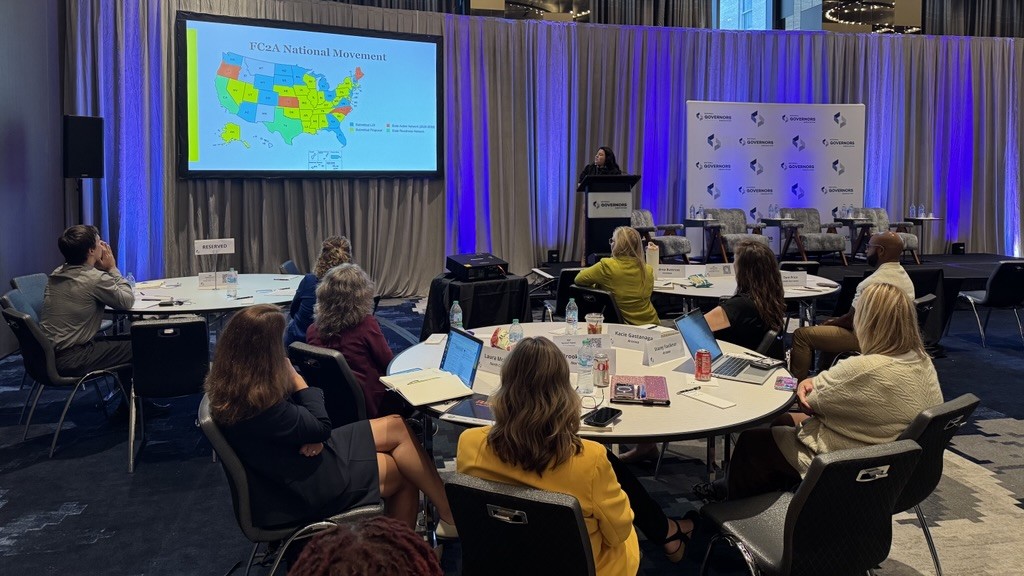
This summer, NGA and AmericaFWD convened more than 30 states and territories, alongside Brookings researchers and state officials from Maine and Tennessee, to translate this research into practical guidance ahead of the new window. A few lessons stood out:
- Prioritize reform-ready tracts. Private capital moves where the path is clear: streamlined permitting, responsive local government, real appetite for development.
- Require documentation, especially for redesignations. “It was designated before” isn’t sufficient justification when slots are scarce; feasibility studies and evidence of investor interest matter.
- Submit early. States that announce zones sooner start attracting investor attention sooner, a real competitive advantage in a program driven entirely by private capital.
- Make OZ coordination someone’s full-time job. Opportunity Alabama and Baltimore both punched above their weight through sustained, daily attention connecting projects with capital.
Tennessee and Maine offered concrete models of what this looks like in practice. Tennessee ran in-person meetings statewide and built direct connections between project sponsors and capital. Maine spent months engaging developers, accountants, and CDFIs ahead of its first designation window. Neither state’s results were accidental.
The Takeaway for States
With a significant number of governors’ seats turning over this election cycle, many officials making designation decisions today won’t be the ones overseeing the investment activity that follows. That makes building a durable, well-documented process—one that outlasts any single administration—the single highest-leverage thing a state can do right now.