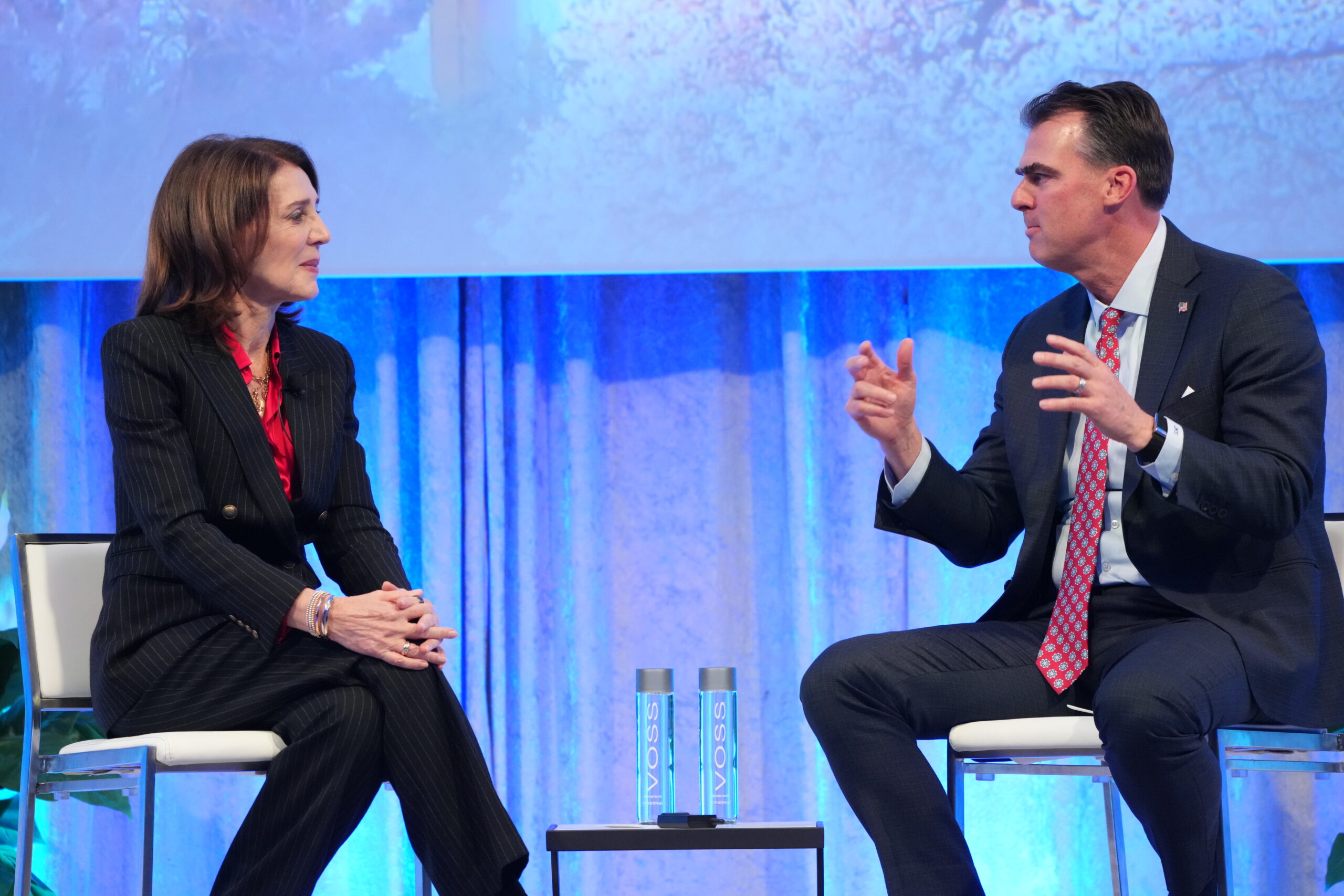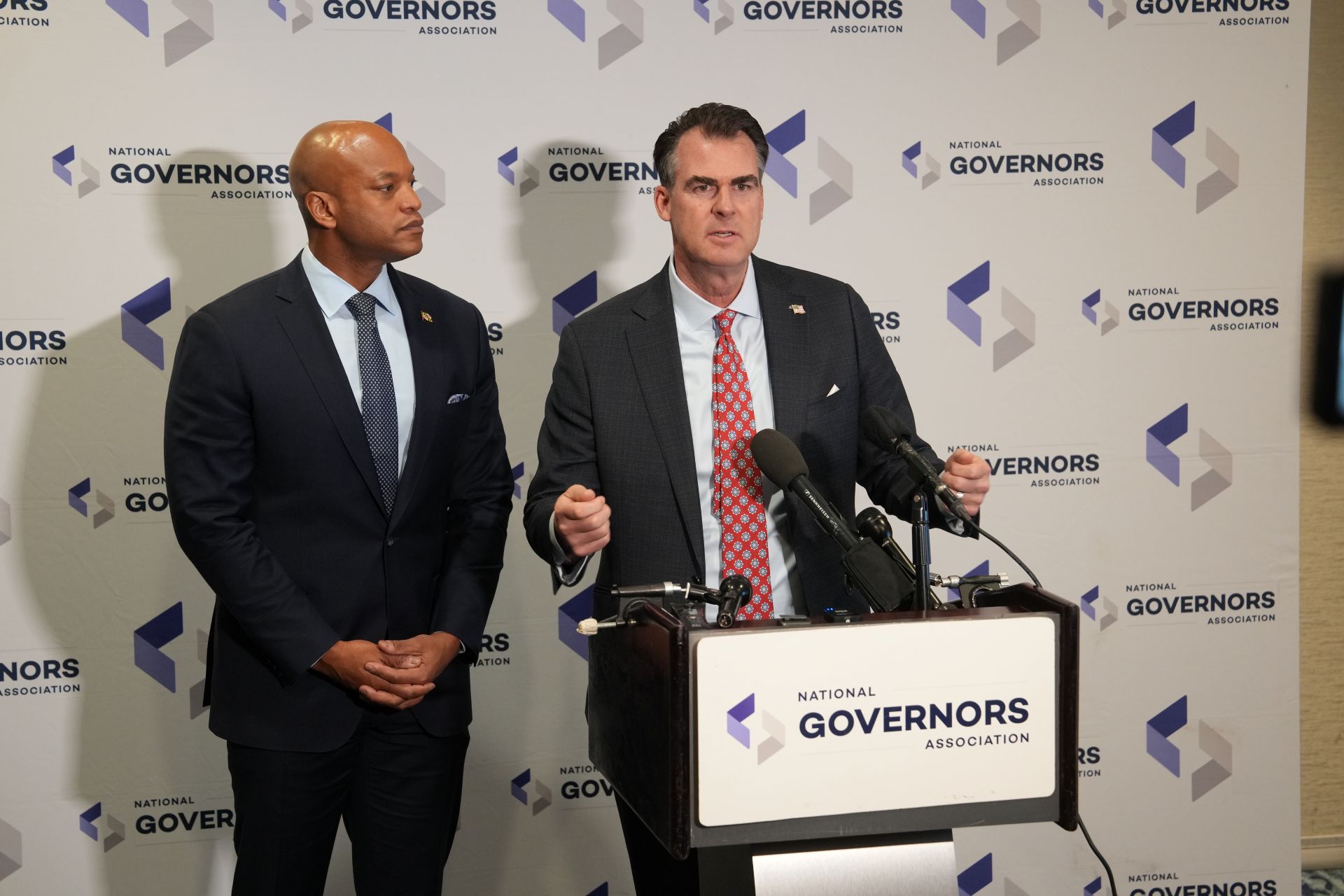

Throughout 2025, Governors across the nation demonstrated extraordinary leadership in transforming workforce development systems to meet the evolving needs of their states. From expanding apprenticeship programs to strengthening career pathways, state leaders took decisive action to address workforce shortages, promote economic mobility and prepare workers for the jobs of tomorrow. Governors and their staff also convened regularly to share best practices and forged new partnerships to ensure their workforce systems remain responsive to both employer needs and worker aspirations.
Strengthening Workforce Programs and Systems
Governors invested significant effort in maximizing federal workforce programs that connect job seekers with training, supportive services and employment opportunities. From SNAP E&T to WIOA administration, state leaders worked to make these systems more effective, accessible and responsive to evolving labor market needs.
Transforming Workforce Innovation and Opportunity Act Systems
In April 2025, NGA released Governors Reshaping Workforce Development: Turning WIOA Challenges into Workforce Solutions, a comprehensive report examining how Governors leverage their authority under WIOA to design, fund and implement effective workforce development strategies. The research, conducted in partnership with the Harvard Project on Workforce, included in-depth interviews with Governors’ policy advisors in 34 states and technical surveys of workforce administrators in 17 states.
Five Major Trends Identified:
- States shifting organizational structures to improve workforce governance, with some creating offices within the Governor’s executive office to coordinate policy
- States adopting stakeholder-driven approaches to WIOA planning, integrating it into broader economic development strategies
- Significant investment in workforce services for high-growth sectors including clean energy, semiconductor manufacturing, broadband and healthcare
- Creative funding solutions to address WIOA limitations, including braiding multiple funding sources and using Governor’s Reserve Funds for innovation
- Expansion of training programs and supportive services, with over 80 percent of advisors mentioning youth workforce pipeline initiatives
A congressional briefing on the whitepaper brought together state leaders from Arizona and Tennessee to share their innovative approaches with federal policymakers, emphasizing the need for greater flexibility and sustained funding for workforce systems.
SNAP Employment and Training Innovation
The NGA Center, in partnership with Third Sector Capital Partners, launched a Policy Academy to Strengthen SNAP Employment & Training Delivery in 2024 to support state teams in enacting policy and programmatic changes to improve SNAP E&T delivery and enhance participants’ economic wellbeing. In May 2025, Idaho, Maryland, North Carolina and South Carolina were selected to participate in the 2025-2026 cohort. These states received targeted technical assistance to identify and overcome obstacles that hinder effective SNAP E&T implementation. By facilitating coordination between Governors’ offices and key workforce and human services agencies, this policy academy will help states unlock opportunities for SNAP recipients to achieve economic self-sufficiency.
Preparing for Workforce Pell Implementation
Recognizing the transformative potential of expanding federal Pell Grant eligibility to short-term workforce programs, NGA launched a Readiness Academy to Support Workforce Pell Implementation. This national project, supported by JPMorgan Chase and developed in partnership with the State Higher Education Executive Officers Association, helps states navigate the policy, operational, and strategic choices necessary to make this new funding stream successful. The initiative offers states access to an aligned ecosystem of national support, opportunities to connect with peers, tailored guidance and tools, and a central hub for reliable information from experts and federal partners.
Key Convenings and Policy Institutes
Throughout 2025, NGA convened state workforce leaders for invaluable opportunities for peer learning, federal engagement and the development of innovative solutions to shared challenges.
2025 Winter Workforce Development Policy Institute
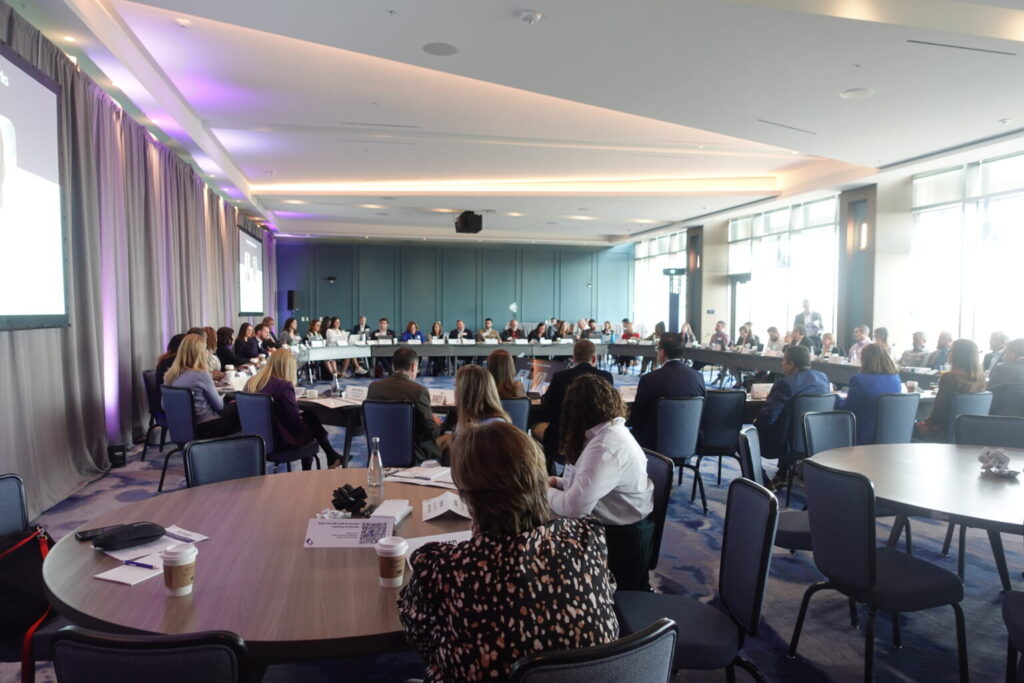
The 2025 Winter Workforce Development Policy Institute, held March 12-14 in Washington, D.C., brought together Governors’ workforce development policy advisors, state agency leaders and workforce board chairs from across the nation. The comprehensive three-day program addressed critical topics including disaster response, AI-powered workforce tools, military and veteran career pathways, and performance metrics.
A comprehensive commentary on state and territorial workforce development successes highlighted five major themes emerging from rapid-fire state presentations at the Winter Institute:
- Expanding apprenticeship programs for teachers, construction workers, and positions in advanced manufacturing, healthcare, IT and finance
- Utilizing AI and innovative technology for workforce service delivery through online career tools and case management systems
- Advancing data and accountability systems to track progress toward measurable goals
- Implementing strategies to increase labor force participation by addressing barriers like childcare, transportation and housing
- Improving workforce system governance through reorganization and better alignment with education systems
Montana Convening: AI and Economic Opportunity
In August 2025, NGA convened state workforce leaders in Montana for the Biannual Workforce Development Policy Institute. Held in Billings August 13-15, this gathering brought together leaders from 37 states and territories to discuss workforce innovation, AI integration and pathways to work.
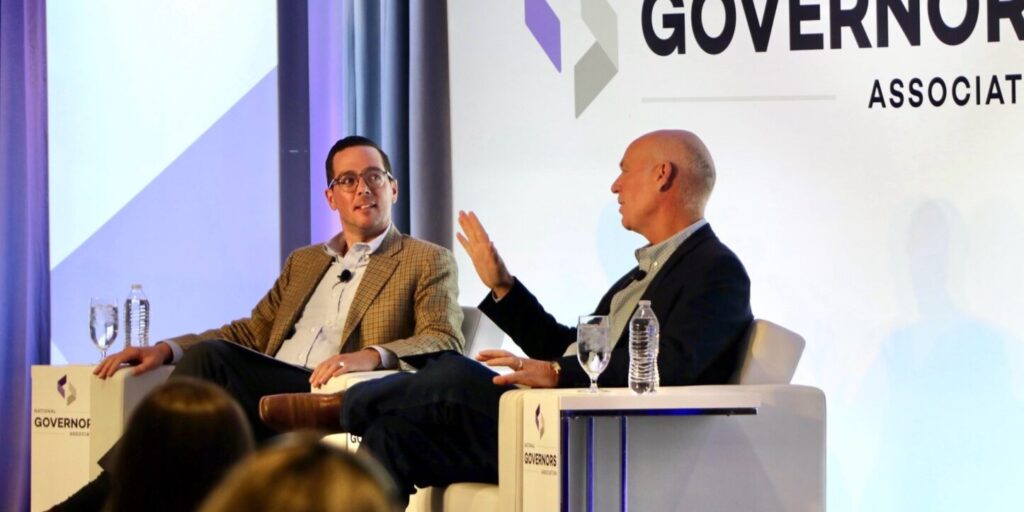
At the event, Montana Governor Greg Gianforte highlighted his newly-launched 406 JOBS initiative, a unifying framework designed to create four pathways to employment and zero barriers to work, focused on six high-demand sectors. The Institute featured sessions on AI’s impact on the future of work, including presentations from OpenAI’s Chief Economist Dr. Ronnie Chatterji and Pennsylvania’s Director of Digital Strategy Annie Newman, who discussed the state’s pilot program integrating ChatGPT into public sector employee workflows.

Governor Greg Gianforte
MontanaTargeted Policy Academies and Initiatives
Throughout 2025, NGA launched and continued several focused policy academies designed to help states develop and implement specific workforce strategies aligned with their Governors’ priorities.
Youth Apprenticeship Expansion
As a national partner in the Partnership to Advance Youth Apprenticeship, NGA launched a Policy Academy to Advance Youth Apprenticeship to help states develop high-quality youth apprenticeship opportunities. Maryland, Montana, North Carolina, South Dakota, Utah, and Washington were selected to participate in this yearlong initiative.

Governor Josh Stein
North CarolinaService-to-Career Pathways
In partnership with the Schultz Family Foundation and Annie E. Casey Foundation, NGA selected six states for a Service-to-Career Pathways Policy Academy: Connecticut, Maine, Minnesota, Nevada, Oregon, and Vermont. Utah Governor Spencer Cox and Maryland Governor Wes Moore co-chair an Advisory Board providing strategic guidance for the initiative.
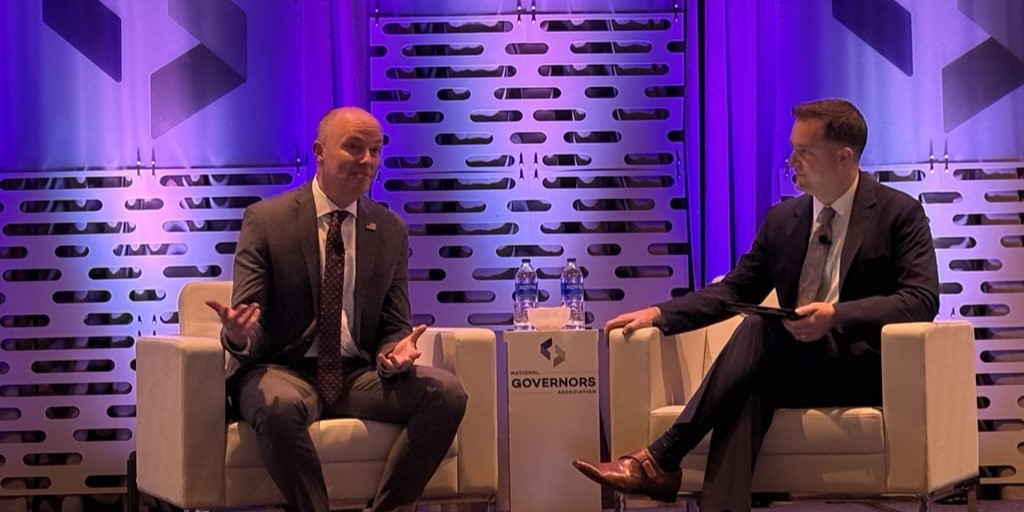
The initiative gained momentum with a convening in Salt Lake City, Utah that brought together leaders from 24 states to showcase best practices. Governor Cox kicked off the summit highlighting Utah’s innovative One Utah Service Fellowship and employee service requirements for companies receiving state economic development incentives. Attendees also visited Olympus High School to observe Utah’s Volunteer for Good pilot program in action.

Governor Spencer Cox
UtahState Government as Model Employer for People with Disabilities
In May 2025, NGA released State Government as a Model Employer for People with Disabilities: A Playbook for Governors, a comprehensive guide highlighting six actionable strategies Governors can use to improve state government career paths for people with disabilities. With state governments employing more than 5.5 million workers nationwide, positioning states as model employers for people with disabilities represents a powerful solution to address both workforce shortages and promote economic inclusion.

New York Governor Kathy Hochul
New YorkLooking Ahead
From expanding apprenticeships, strengthening service pathways, and preparing workers for emerging industries, Governors continue to demonstrate remarkable innovation and a strong commitment to economic mobility.
The work of 2025 demonstrated that when Governors lead with vision, invest in evidence-based strategies, and commit to cross-state collaboration, transformative change becomes possible. The foundations laid this year will continue supporting economic opportunity, workforce readiness, and community prosperity for years to come.
For additional information about Governors’ workforce development initiatives, please bookmark the NGA Workforce Development & Economic Policy page.