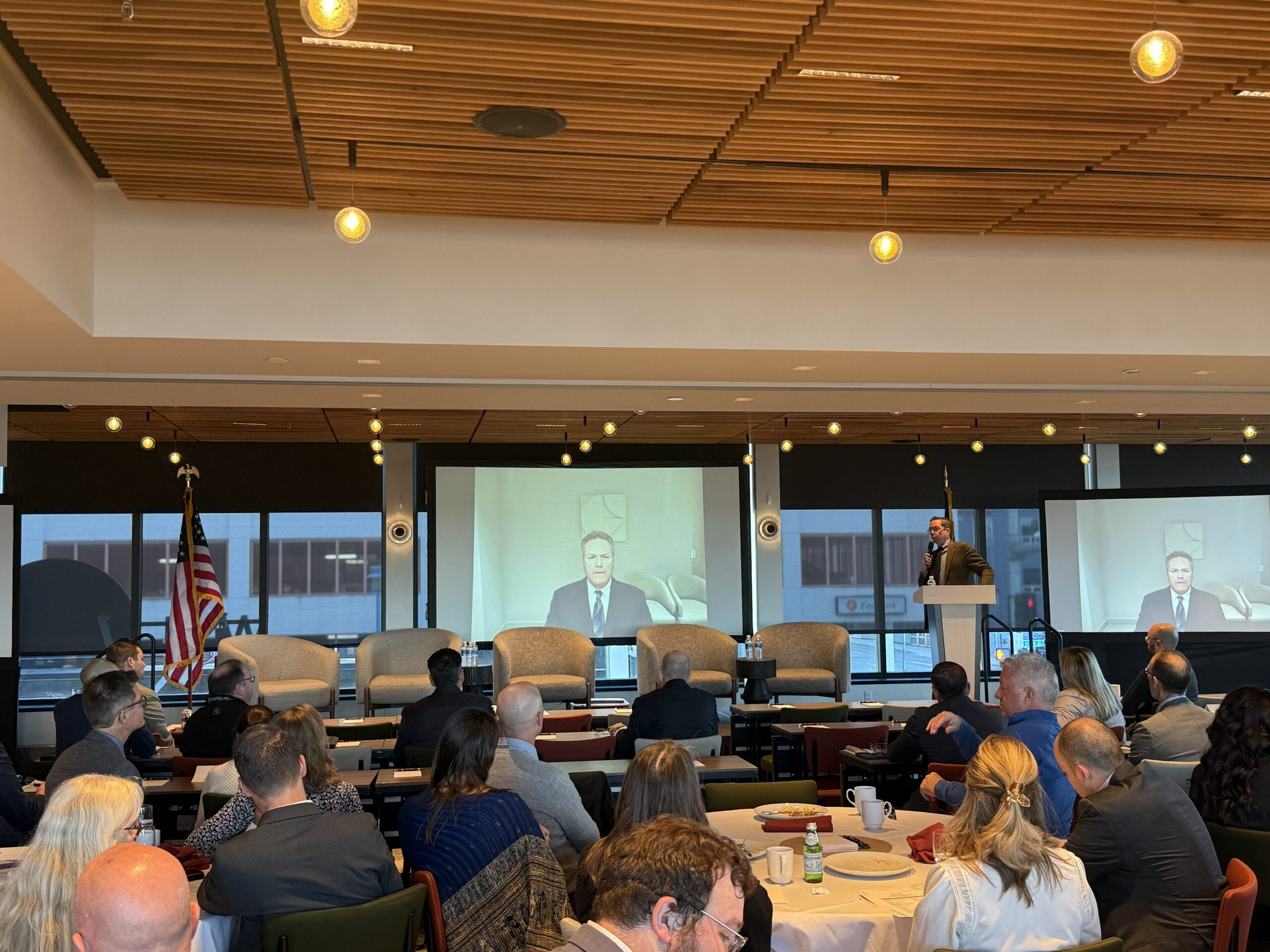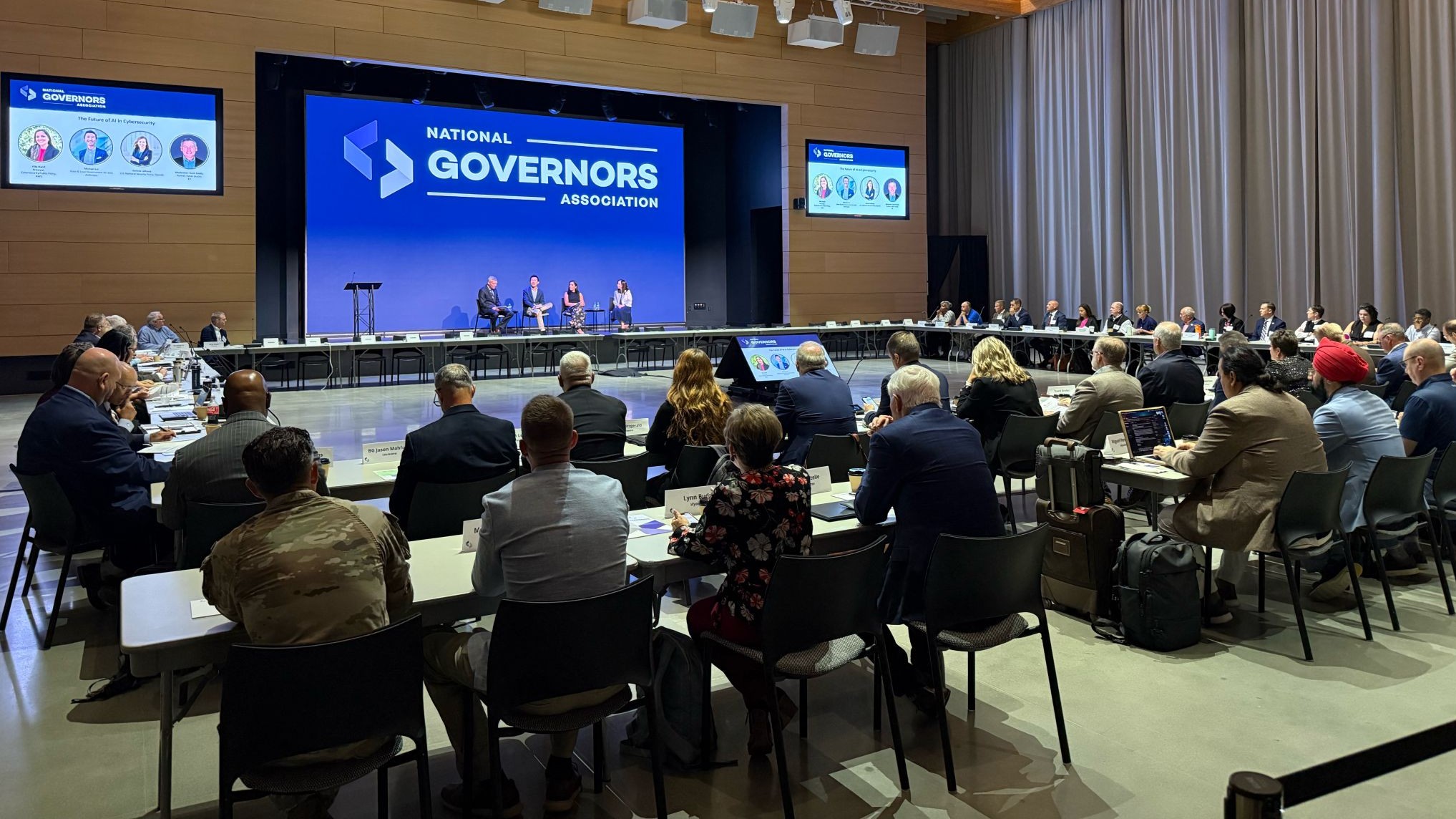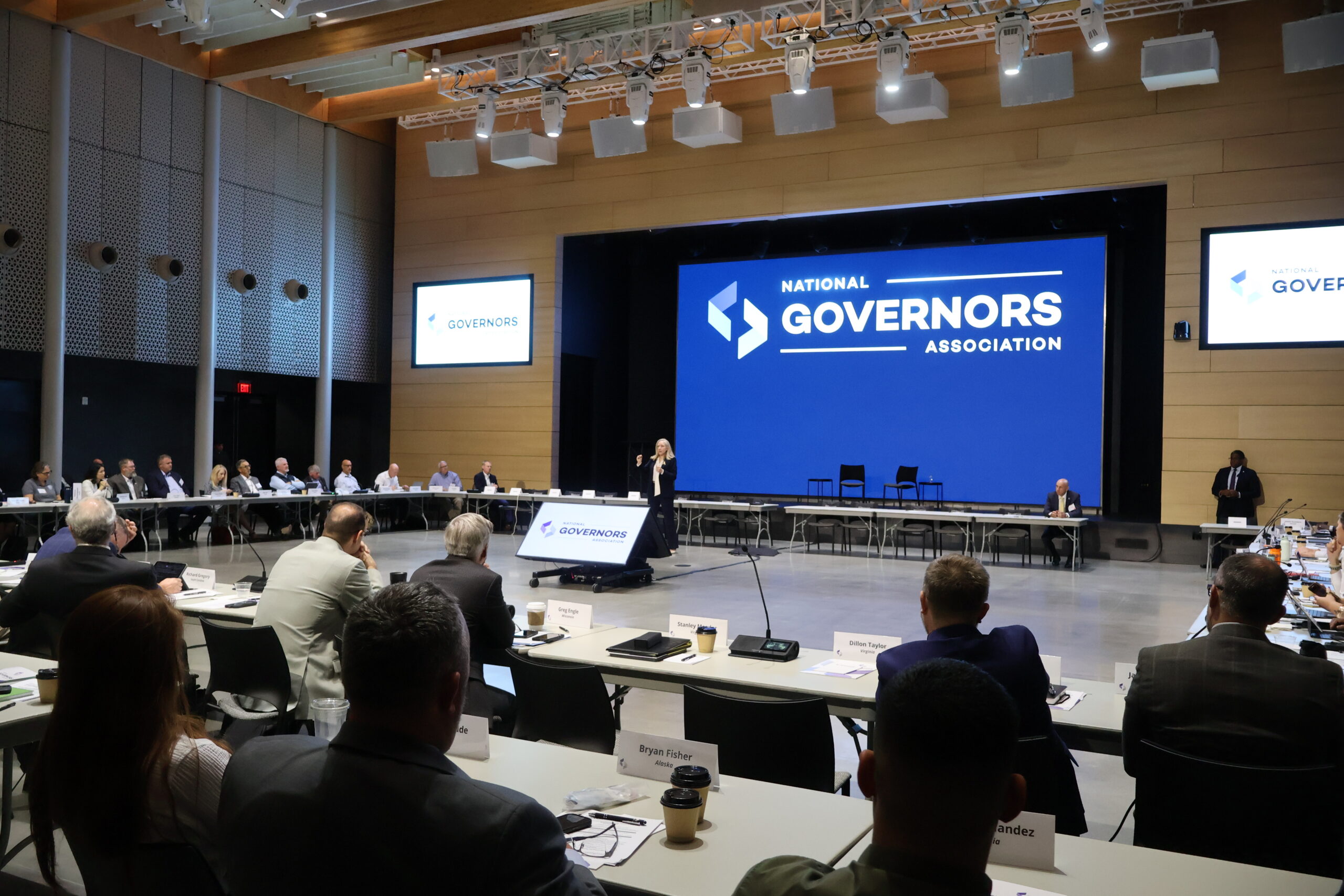
NEW ORLEANS – The National Governors Association (NGA) this week convened its annual Governors Health and Human Services Policy Advisors Institute in New Orleans. Leaders from 34 states and territories shared perspectives on issues including healthcare affordability, maintaining program integrity in Health and Human Services delivery systems and sustaining overdose prevention efforts.
“Governors are on the front lines of implementing some of the most consequential changes to health and human services programs in decades,” said NGA Chief Policy Officer Timothy Blute. “This institute brought together leaders to do what NGA does best: share what’s working and build the kind of bipartisan solutions that deliver real results for constituents. Whether the challenge is healthcare affordability, program integrity, or sustaining overdose prevention gains, governors aren’t waiting to lead, and NGA is here to make sure they have the tools to get it done.”
H.R. 1, enacted July 4, 2025, created significant changes to health and human services programs administered through the states. The legislation also created the need to consider more exponential impacts —including those on the workforce, long-term program resources and care fragmentation —and the need for a more integrated approach to policy discussions.
As governors continue to make policy decisions to minimize service disruptions and promote fiscal sustainability, NGA has served to convene experts from across the public and private sectors to seek policy implementation solutions. Sessions during this week’s convening included:
Healthcare Affordability
Healthcare costs remain a top concern for governors, driving budget pressures, straining employers and shaping constituent priorities. As federal policy continues to evolve, governors are taking the lead on affordability through levers like prior authorization reform, hospital price transparency and value-based care. NGA is driving conversations between governors’ teams, offering the technical grounding to build affordability strategies that outlast budget cycles and political transitions.
“There are two parts to affordability, affordability for the individual patient and affordability for the system at large, states right now are grappling with both,” said Massachusetts Governor’s Office Deputy Chief of Staff for Policy and Cabinet Affairs Sarah Sabshon. “It Is important to have these conversations about where we could be doing things better.”
Program Integrity in Medicaid and SNAP
Governors across the country are working to implement program changes to Medicaid and SNAP effectively while maintaining program integrity and service delivery. As administration of the programs can vary from state to state, continuing to share real-world approaches to operational challenges is critical to achieving results, from reducing error rates and upgrading technology infrastructure to creating a stronger direct long-term care workforce and managing tighter administrative funding.
NGA launched its Policy Academy to Strengthen SNAP E&T Delivery in 2024 in partnership with Third Sector Partners, supporting select states as they worked to enact policy and programmatic changes to strengthen SNAP E&T. NGA launched a second cohort in July 2025, providing custom technical assistance and peer-to-peer engagement. The policy academy will conclude its work in September.
“In Louisiana, one in four children faces hunger and SNAP is a critical part of what stands between those kids and an empty table,” said No Kid Hungry Louisiana Director Rhonda Jackson. “As states work to implement the changes under H.R. 1, we have to get the details right: the eligibility systems, the administrative infrastructure, the workforce connections. Governors are committed to that work, and forums like this one, where states can share what’s actually happening on the ground, are exactly how we get there.”
Sustaining Overdose Prevention Efforts
As overdose mortality trends improve nationally, governors face critical questions about how to maintain hard-won gains while adapting to a shifting landscape — not only in terms of policy, but in terms of real-world challenges in the emergence of synthetic drugs and persistent rural access gaps. Governors are increasingly employing transformation efforts through telehealth, workforce development and community-based modes to adapt, all while aligning priorities in economic development, workforce recovery and public safety.
Many states are leveraging Rural Health Transformation Program dollars, directing resources toward programs that are already operational or that have established provider networks ready to use the funds immediately. Expanding access to mental health and substance use disorder services in primary care settings through integrating care demonstrates efficient care access expansion without relying on workforce growth, as seen in efforts underway in Illinois and Oklahoma. Scaling telehealth and leveraging workforce incentives, such as recruitment bonuses, relocation assistance and capacity payments, have also proven to be useful tools in expanding access to behavioral health services.
”The progress states and territories have made on overdose prevention is real, and it didn’t happen by accident, it happened because governors made it a priority and invested in sustainable, community-rooted strategies,” said The National Academy for State Health Policy Senior Director Sandra Wilkniss. “As the landscape shifts with new substances and persistent access gaps in rural areas, maintaining those gains requires continued commitment and the kind of peer-to-peer learning that NGA makes possible. NASHP is proud to support states and their teams as they do this critical work.”
NGA’s work on H.R. 1 will continue in June at a meeting coinciding with the American Public Human Services Association’s National Human Services Summit. The meeting will convene HHS state and local executives, policy advisors and Washington representatives to continue to share insight, perspective and concerns about SNAP administration following significant federal changes to the program.
The Governors Health and Human Services Policy Advisors Institute convened this week as part of NGA’s annual Policy Summit, which supports cross-state, bipartisan collaboration on governors’ top policy priorities and implementation challenges on issues like education, disaster response, rural development, AI, healthcare access and affordability, energy security and more.
Check out these resources to learn more about how governors across the country are working to strengthen our healthcare system:
- Governors’ Policy Actions on Behavioral Health Access
- Governors Policy Actions in the Rural Health Workforce
- 2026 SNAP E&T Policy Academy Convening
- Healthcare Priorities in Governors’ 2026 State of the State Addresses
- 2025 Health and Human Services Policy Advisors Institute
- Strengthening Rural Maternal Mental Health
- Rx for a Healthier America
- Supporting States in Maternal and Child Health and Healthcare Workforce
- Workforce Investments for A Robust Health Ecosystem
- Healthy People and Healthy Economies